Crowdfunding has revolutionized the way artists bring their visions to life, breaking down traditional barriers to funding and creative freedom. It empowers creators to connect directly with their audience, turning supporters into active participants in the artistic journey.
With platforms tailored to various art forms, from visual arts to music and theater, crowdfunding fosters a vibrant community of innovation and collaboration.
This approach not only provides financial backing but also validates the value of unique, diverse projects that might otherwise be overlooked. As the landscape of art continues to evolve, understanding how crowdfunding fits into this ecosystem is essential for both creators and enthusiasts.
Let’s dive in and explore the fascinating relationship between crowdfunding and the arts!
Building Direct Connections Beyond Galleries
Breaking the Middleman Barrier
Traditional art funding often involved galleries, agents, or patrons acting as gatekeepers. Crowdfunding flips this model by allowing creators to reach their audience directly, bypassing intermediaries.
This shift means artists can present their projects authentically, without pressure to conform to commercial expectations. From my experience following several campaigns, the personal stories and direct engagement with backers create a bond that no gallery wall can replicate.
It’s like having a community cheering you on through every step, which often fuels the artist’s motivation and creativity.
Turning Supporters Into Collaborators
One of the most fascinating aspects is how backers become more than just funders—they evolve into collaborators. Many campaigns offer unique perks like behind-the-scenes updates, voting on creative decisions, or even personalized art pieces.
I’ve seen musicians ask fans to contribute lyrics or themes, and painters share early sketches exclusively with their supporters. This participatory experience builds a sense of ownership and pride among backers, turning passive audiences into active contributors to the creative journey.
Building a Loyal Fanbase Early On
Crowdfunding isn’t just a one-off funding method; it’s a powerful tool for nurturing long-term relationships. Artists gain early insights into their audience’s preferences and build a dedicated fanbase before the project even launches.
From what I’ve observed, this early connection often leads to sustained support, whether through future projects, merchandise, or live events. The trust and rapport established during a campaign lay the foundation for ongoing success beyond the initial funding phase.
Tailoring Platforms to Creative Mediums
Choosing the Right Crowdfunding Platform
Different art forms demand unique approaches, and thankfully, crowdfunding platforms have evolved to meet these needs. Platforms like Kickstarter are popular for visual arts and design projects, while Indiegogo offers flexible funding options appealing to experimental artists.
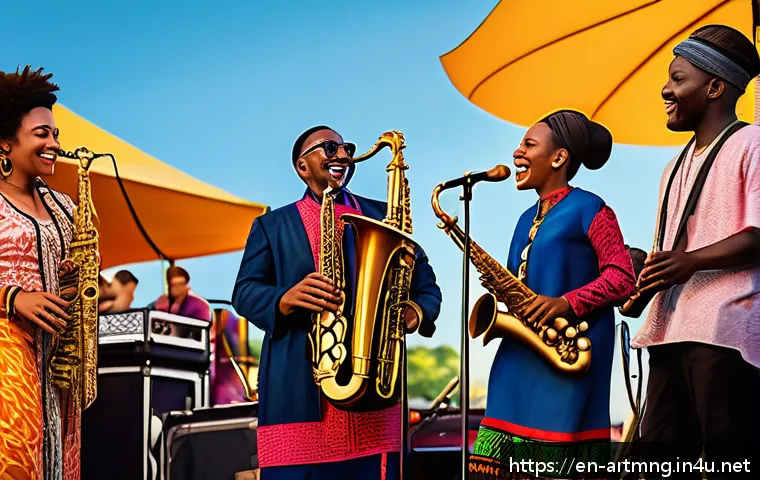
For musicians, sites like Patreon provide subscription-based models that ensure steady income, allowing creators to focus on their craft without constant fundraising stress.
Choosing the right platform can significantly impact campaign success and artist satisfaction.
Specialized Features That Empower Creators
Many platforms now incorporate tools tailored to creative workflows. For example, some allow tiered rewards that match the scale of contribution—from digital downloads to exclusive live experiences.
Others integrate social sharing features, making it easy to spread the word organically. I’ve noticed that campaigns leveraging these specialized tools tend to build momentum faster and maintain engagement throughout their duration, which ultimately translates to better funding results.
Community Building Through Platform Ecosystems
Beyond funding, platforms foster communities where artists and supporters interact, share feedback, and collaborate. This ecosystem provides not just financial backing but emotional and professional support.
For emerging artists, connecting with peers and mentors through these networks can be invaluable. In my own exploration, artists often mention how these communities offer motivation and constructive criticism that shape their work in meaningful ways.
Validating Artistic Vision Through Public Support
Beyond Financial Backing: Emotional Validation
Receiving public support through crowdfunding often serves as a powerful form of validation for artists. It’s not just about the money; it’s a confirmation that their vision resonates with others.
I’ve talked to creators who described how reaching their funding goal gave them renewed confidence and inspired bolder creative choices. This emotional reinforcement can be just as crucial as financial resources in pushing projects forward.
Highlighting Diverse and Underrepresented Voices
Crowdfunding opens doors for projects that might otherwise be ignored by traditional funding bodies. This democratization allows artists from diverse backgrounds to share their unique perspectives.
For instance, many campaigns spotlight marginalized communities or experimental art forms that struggle for mainstream acceptance. From what I’ve seen, this inclusivity enriches the arts ecosystem by introducing fresh narratives and challenging conventional norms.
Measuring Success Beyond Dollars Raised
Success in crowdfunding isn’t solely measured by financial targets. Many creators emphasize the value of community growth, media exposure, and skill development gained during their campaigns.
I’ve observed projects that didn’t hit their initial goals but still gained significant momentum and opportunities afterward. These intangible benefits often translate into longer-term career advancements and creative breakthroughs.
Innovative Rewards That Drive Engagement
Creative Incentives That Resonate
Offering rewards that genuinely excite backers is an art in itself. Successful campaigns often feature thoughtful incentives like limited-edition prints, exclusive performances, or even collaborative artworks.
From analyzing multiple campaigns, I found that rewards tied closely to the artist’s unique style or story tend to create stronger emotional connections, encouraging higher pledge amounts and repeat support.
Balancing Cost and Value in Reward Design
While attractive rewards boost engagement, artists must carefully balance production costs to avoid financial strain. I’ve seen creators learn this the hard way, where elaborate rewards ate into their budgets, reducing overall profit.
Planning scalable and manageable incentives ensures both backer satisfaction and sustainable project delivery, a lesson that many seasoned crowdfunding veterans emphasize.
Using Rewards to Extend Campaign Lifespan
Strategically timed reward releases can maintain backer interest throughout a campaign. For example, unlocking new perks at funding milestones or offering surprise bonuses keeps momentum alive.
I recall a campaign where the artist introduced a secret song reveal mid-campaign, sparking renewed enthusiasm and an influx of pledges. Such tactics help avoid the common pitfall of early excitement fading too quickly.
Overcoming Challenges in the Crowdfunding Journey
Managing Expectations and Deliverables
One of the trickiest parts of crowdfunding is meeting backer expectations while juggling creative unpredictability. Delays or changes can disappoint supporters, so transparent communication is key.
Based on my experience following creator updates, those who openly share progress and setbacks tend to maintain trust, even when hurdles arise. Honesty builds a resilient community that stands by the artist beyond the campaign.
Handling Funding Shortfalls
Not every campaign hits its target, and that can be discouraging. However, many artists use these moments to reassess, pivot, or find alternative support.
I’ve encountered creators who relaunched with refined pitches or sought partnerships after initial setbacks. Crowdfunding, in this sense, serves as a valuable feedback mechanism that helps artists refine their approach and better connect with their audience.
Balancing Promotion and Creation
Running a campaign demands significant time investment in marketing, updates, and community engagement, which can detract from actual art-making. From conversations with creators, striking this balance is a constant challenge.
Many recommend planning campaigns during phases when the project is far enough along to show progress but not so close to deadlines that promotion interferes with completion.
Financial Insights and Strategic Planning
Budgeting for Success
Crafting a realistic budget is foundational. This includes production costs, platform fees, taxes, and rewards fulfillment. I’ve seen campaigns falter by underestimating these expenses, leading to financial shortfalls post-campaign.
Allocating a buffer and consulting experienced creators or financial advisors can make a substantial difference in project sustainability.
Timing and Campaign Duration
Campaign length impacts momentum; too short can limit exposure, too long can cause fatigue. In my observation, 30 to 45 days strikes a sweet spot for maintaining excitement and urgency.
Additionally, launching at times when your target audience is most active—avoiding holidays or major events—can improve visibility and engagement.
Leveraging Analytics for Optimization
Many platforms provide analytics on traffic sources, pledge trends, and engagement metrics. Creators who actively monitor and adapt their strategies based on this data tend to perform better.
For instance, adjusting social media ads or tweaking reward tiers mid-campaign can boost conversion rates. I’ve found that this iterative approach, akin to a live experiment, sharpens campaign effectiveness.
| Aspect | Best Practice | Common Pitfall |
|---|---|---|
| Platform Selection | Choose based on art form and funding flexibility | Picking a popular but mismatched platform |
| Reward Design | Offer unique, manageable incentives tied to project | Overpromising costly rewards that strain budget |
| Communication | Maintain transparency with frequent updates | Ignoring backer questions or delays without notice |
| Budgeting | Include all costs plus contingency funds | Underestimating fees and fulfillment expenses |
| Campaign Timing | Run 30-45 days, avoid holidays | Too long or poorly timed launches |
Conclusion
Crowdfunding has truly transformed how artists connect with their audience, breaking down traditional barriers and fostering meaningful relationships. By choosing the right platform and engaging supporters with thoughtful rewards, creators can build lasting communities and validate their artistic vision. While challenges exist, careful planning and honest communication pave the way for sustainable success in the creative world.
Useful Tips to Remember
1. Select a crowdfunding platform that best fits your art form and funding needs to maximize your chances of success.
2. Design rewards that are unique and manageable, reflecting your project’s essence without overextending your budget.
3. Keep communication transparent and frequent to build trust and maintain supporter enthusiasm throughout the campaign.
4. Plan your budget meticulously, including all hidden costs and contingencies to avoid financial pitfalls.
5. Time your campaign wisely, ideally between 30 to 45 days, and avoid launching during busy holiday seasons or major events.
Key Takeaways
Successful crowdfunding hinges on authentic artist-audience connections, thoughtful platform selection, and strategic campaign management. Balancing creative work with promotional efforts, managing backer expectations with honesty, and leveraging data insights are crucial for growth. Ultimately, crowdfunding is not just about raising funds but cultivating a community that supports both the artist’s vision and long-term career development.
Frequently Asked Questions (FAQ) 📖
Q: How does crowdfunding benefit artists compared to traditional funding methods?
A: Crowdfunding offers artists a direct line to their audience, bypassing traditional gatekeepers like galleries, record labels, or production companies.
This direct connection not only provides financial support but also builds a community of engaged fans who feel personally invested in the project’s success.
Unlike conventional funding, which often comes with creative restrictions, crowdfunding empowers artists to maintain full creative control, allowing their authentic vision to shine through.
From my experience, this approach feels more rewarding because you’re not just raising money—you’re creating meaningful relationships with supporters who genuinely care about your work.
Q: What types of art projects are best suited for crowdfunding?
A: Crowdfunding works well for a wide range of artistic endeavors, including visual arts, music albums, theater productions, independent films, and even digital art or interactive media.
Projects that have a clear goal, a compelling story, and tangible rewards for backers tend to perform best. For example, musicians releasing a debut album or painters looking to fund a gallery show often find crowdfunding an ideal platform to gather resources and build buzz simultaneously.
In my own observations, the projects that succeed are those where creators actively engage with their audience, sharing progress updates and behind-the-scenes content, which keeps supporters excited and connected throughout the process.
Q: What challenges should artists be aware of when using crowdfunding platforms?
A: While crowdfunding can be a game-changer, it’s not without its challenges. Artists need to invest significant time and effort into marketing their campaign, communicating with backers, and delivering promised rewards on time.
There’s also the pressure of meeting funding goals within a set timeframe, which can be stressful if the campaign doesn’t gain traction quickly. From what I’ve seen, successful campaigns require thorough planning, realistic budgeting, and a strong promotional strategy across social media and other channels.
Additionally, transparency is crucial—keeping backers informed about any delays or changes helps maintain trust and enthusiasm, even when hurdles arise.