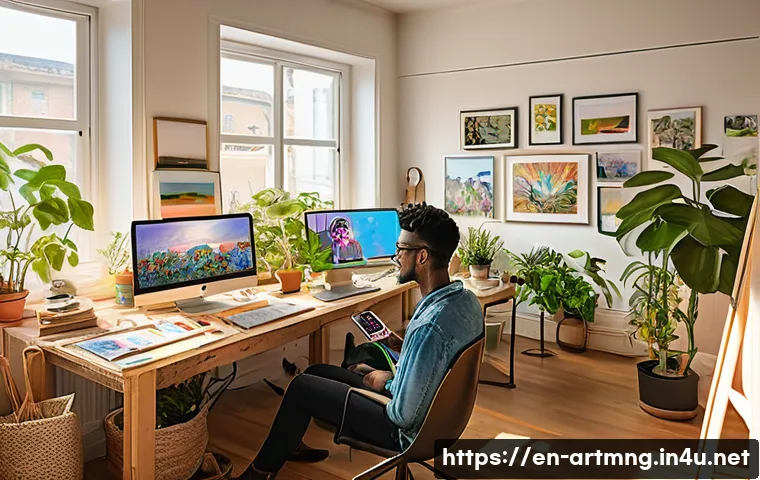
In a world that feels more connected than ever, art has become a powerful bridge linking diverse cultures and inspiring fresh perspectives. Recent global events have highlighted the importance of cultural exchange, reminding us how creativity blossoms when different traditions meet.
Whether through music, visual arts, or performance, these shared experiences enrich our understanding and spark innovation. Join me as we explore how cultural exchange shapes global creativity and why it matters now more than ever.
This journey promises to reveal surprising insights that might just change the way you see the world around you.
The Ripple Effects of Creative Collaboration Across Borders
Fusing Traditions to Forge New Artistic Expressions
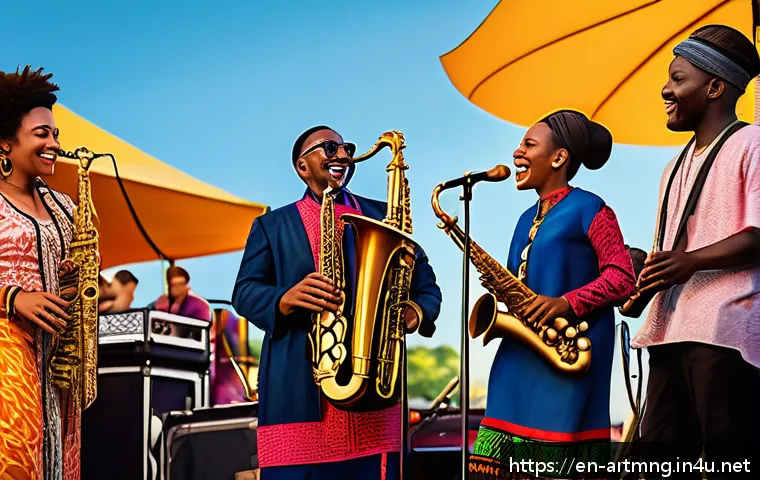
When artists from different corners of the world come together, the result is often a breathtaking fusion that neither could achieve alone. Imagine a jazz saxophonist collaborating with a traditional African percussionist—suddenly, rhythms and melodies intertwine in ways that feel fresh yet deeply rooted.
From my experience attending international art festivals, these collaborations break down the “this or that” mentality and open up spaces where cultural nuances blend, creating works that resonate globally.
It’s not just about mixing styles; it’s about mutual respect and curiosity that push each participant to rethink their own creative boundaries.
How Digital Platforms Amplify Cross-Cultural Creativity
The internet has revolutionized how artists share and develop their work. Platforms like Instagram, TikTok, and YouTube are virtual meeting grounds where influences travel faster than ever.
I’ve personally noticed how a viral dance challenge originating in one country can inspire visual artists and musicians worldwide to reinterpret those movements into paintings or beats.
This instantaneous exchange accelerates innovation but also democratizes access—talented creators from small towns or marginalized communities now have a voice on the global stage.
Yet, this digital interconnectedness also calls for mindful consumption to appreciate the source cultures rather than just borrowing superficially.
Challenges and Triumphs in Navigating Cultural Sensitivities
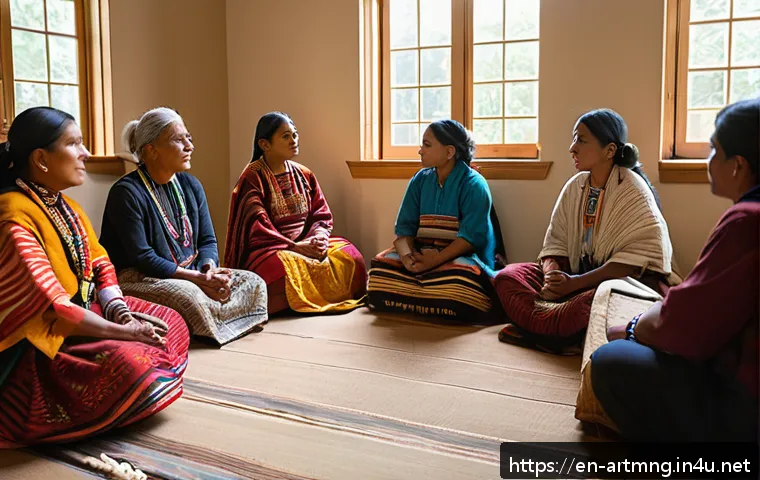
Engaging deeply with another culture’s art form comes with responsibilities. I recall a project where a Western filmmaker worked with Indigenous storytellers; it required time, listening, and a willingness to relinquish creative control to honor authentic voices.
Missteps can lead to cultural appropriation or misrepresentation, which damages trust and perpetuates stereotypes. However, when done thoughtfully, these exchanges foster empathy and shared ownership of creative processes.
The learning curve is steep, but the payoff is a richer, more inclusive global arts community that celebrates diversity without erasing origins.
Global Festivals as Catalysts for Artistic Innovation
Spaces Where Diverse Voices Converge
International festivals serve as melting pots where artists not only showcase their work but also engage in workshops, dialogues, and informal jam sessions.
From my visits to events like the Edinburgh Festival Fringe or the Venice Biennale, it’s clear these gatherings spark spontaneous collaborations and creative risks.
They act as incubators for ideas that ripple outwards, influencing local scenes back home. The energy in such venues is palpable—there’s a sense of collective possibility that reminds you why art remains vital in connecting humanity.
The Economic and Social Impact on Host Communities
While festivals bring immense cultural value, they also generate significant economic benefits. Cities hosting these events often see boosts in tourism, hospitality, and creative industries.
For example, the Sundance Film Festival revitalizes Park City, Utah each year, supporting local businesses and creating jobs. On a social level, these festivals can challenge local perceptions by introducing global narratives, fostering inclusivity, and inspiring young artists.
Yet, it’s crucial that organizers balance commercial interests with authentic representation to avoid commodifying cultures.
Hybrid Models: Blending Physical and Virtual Experiences
Recent years have accelerated the adoption of hybrid festival formats, combining in-person attendance with live-streamed content. This evolution expands accessibility, allowing audiences who can’t travel to participate virtually.
From what I’ve observed, this model also encourages more diverse programming, since curators can include artists from remote regions without logistical constraints.
However, the challenge remains to maintain the intimacy and spontaneity that physical presence offers. The future likely lies in refining this balance to maximize engagement while respecting artists’ needs.
Language as Both a Barrier and a Bridge in Artistic Exchange
Overcoming Linguistic Hurdles Through Visual and Performative Arts
Language differences often pose challenges in cross-cultural collaborations, but art itself can transcend words. Visual arts, dance, and music communicate emotions and stories that resonate universally.
I’ve witnessed how a dance troupe from Brazil performed in Japan, eliciting applause despite the audience not understanding the spoken language. This nonverbal communication fosters immediate connection and breaks down barriers, allowing participants to explore shared human experiences beyond linguistic confines.
The Role of Translation and Interpretation in Deepening Understanding
For projects requiring narrative clarity, skilled translators and interpreters become invaluable. They don’t merely convert words but convey cultural context and nuance, enriching the exchange.
In theater and literature collaborations I’ve encountered, the presence of a trusted translator enabled the creative team to navigate complex themes sensitively, ensuring the audience’s authentic engagement.
Investing in this layer of communication is essential to avoid misunderstandings and to honor the integrity of the original work.
Learning New Languages as a Form of Cultural Immersion
Some artists take language learning as part of their creative journey. I know a filmmaker who spent months mastering basic phrases in the dialect of a community whose stories he wanted to tell.
This effort not only improved collaboration but also demonstrated respect and openness, deepening trust. Language acquisition becomes a gateway to more meaningful interaction, allowing creators to absorb cultural subtleties and enrich their own artistic vocabulary.
Innovative Education Models Inspired by Global Art Exchange
Integrating Multicultural Perspectives into Curriculums
Art education is evolving to reflect the globalized world we live in. Schools and universities increasingly include modules that emphasize multiculturalism and international artistic traditions.
From my time teaching workshops, I noticed students become more engaged when exposed to diverse art forms like Indigenous weaving or Afrobeat rhythms.
This exposure encourages critical thinking about identity and history, fostering empathy and creativity beyond borders.
Virtual Classrooms as Gateways to Global Collaboration
The rise of online learning platforms enables students from different countries to work together on creative projects. I’ve facilitated virtual art exchanges where students co-created murals or music compositions despite being continents apart.
This model not only broadens horizons but also prepares emerging artists to navigate an interconnected artistic ecosystem. The challenge lies in ensuring equitable access to technology and fostering genuine dialogue rather than superficial engagement.
Mentorship and Networking Across Continents
Connecting young artists with mentors worldwide has become more feasible thanks to digital tools. I recall a mentee who collaborated with an established painter in Europe, gaining insights that transformed her approach.
Such relationships transcend geography, providing support and inspiration. Building these networks contributes to sustainable creative careers and fosters a sense of global artistic community.
Economic Opportunities Born from Cultural Creativity
Creative Industries Driving Global Economies
Cultural exchange fuels industries like fashion, film, and design, generating billions in revenue annually. For example, the global music market thrives on genre blending—K-pop’s rise incorporates Western pop elements, attracting international audiences and boosting South Korea’s economy.
From what I’ve seen working with startups, these hybrid products often appeal to wider markets, creating new revenue streams and jobs.
Entrepreneurship Rooted in Cultural Heritage
Many entrepreneurs build brands by highlighting traditional crafts or storytelling, making heritage a unique selling point. I met a jewelry designer who sources techniques from Native American artisans, ensuring fair trade and cultural preservation.
This model supports community economies and educates consumers, proving that respecting origins can be profitable and ethical simultaneously.
Table: Examples of Global Cultural Collaborations and Their Economic Impact
| Collaboration Type | Example | Economic Outcome | Impact on Cultural Preservation |
|---|---|---|---|
| Music Fusion | K-pop and Western Pop Artists | Billions in global music sales and streaming | Increased global interest in Korean culture |
| Artisan Craft Partnerships | Fair trade Native American jewelry brands | Supports local artisans financially | Revitalizes traditional techniques |
| Film Co-Productions | European-Indigenous documentaries | Access to international film markets | Raises awareness of Indigenous issues |
| Fashion Collaborations | African textiles in global fashion lines | Boosts textile industry exports | Promotes cultural identity globally |
Technology as a New Palette for Cultural Storytelling
Immersive Experiences Through Virtual and Augmented Reality
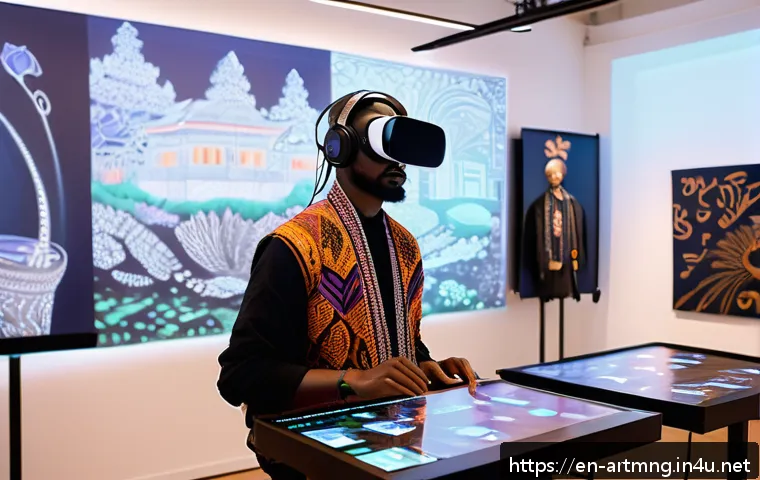
VR and AR have unlocked new ways to experience culture without leaving home. I had the chance to try a VR exhibit that transported me to a traditional Japanese tea ceremony—every detail felt vivid and intimate.
These technologies enable users to step inside other worlds, promoting empathy and understanding. For artists, it means experimenting with storytelling formats that engage senses beyond sight and sound, pushing creative boundaries.
Blockchain and NFTs Empowering Artists Worldwide
Digital ownership via blockchain offers new revenue models, especially for artists from underrepresented communities. I spoke with a digital painter who sold NFTs inspired by Indigenous motifs, gaining financial independence while respecting cultural protocols.
This decentralization challenges traditional gatekeepers and provides artists direct access to global collectors. Still, the ecosystem is young and requires education to navigate ethical considerations.
Artificial Intelligence as a Collaborative Tool, Not a Replacement
While AI can generate art, I see it more as a partner than a substitute. Using AI to remix cultural patterns or generate new sounds can inspire human creators to explore uncharted territory.
From my experimentation, the key is maintaining human intention and cultural sensitivity, ensuring technology amplifies rather than dilutes authentic voices.
This balance will shape the future of creative exchange.
Building Lasting Connections Beyond the Art Itself
Friendships and Networks That Transcend Borders
Creative collaborations often blossom into lifelong friendships and professional networks. I’ve kept in touch with fellow artists I met abroad, sharing ideas and opportunities years later.
These relationships foster trust and open doors to further collaborations, enriching careers and personal growth. The human connection behind the art is what truly sustains cultural exchange.
Inspiring Social Change Through Shared Narratives
Art that crosses cultures can spotlight global issues like climate change, migration, or inequality. When people from different backgrounds tell interconnected stories, it amplifies messages and mobilizes action.
I remember a multimedia project that combined refugee testimonies with local artists’ work, creating empathy and dialogue in a way statistics alone never could.
Legacy and Continuity in a Globalized Artistic Landscape
Finally, these exchanges contribute to a living legacy—one where traditions evolve without losing their roots. As artists pass on knowledge and blend influences, they create dynamic cultures that reflect today’s interconnected world.
This continuity honors the past while embracing innovation, reminding us that creativity is a shared human gift that transcends borders.
In Closing
Creative collaboration across cultures enriches not only the art itself but also the artists and communities involved. By embracing diversity and mutual respect, these exchanges foster innovation, empathy, and lasting connections that transcend borders. As we continue to explore new technologies and global platforms, the future of artistic collaboration shines bright with endless possibilities.
Useful Information to Keep in Mind
1. Cross-cultural collaborations thrive on genuine respect and curiosity, not just blending styles.
2. Digital platforms have democratized creative exchange but require mindful cultural appreciation.
3. Language barriers can be overcome through visual arts, skilled translation, and language learning.
4. Global festivals serve as hubs for innovation, economic growth, and cultural dialogue.
5. Emerging technologies like VR, blockchain, and AI open new frontiers for storytelling and artist empowerment.
Key Takeaways
Successful global artistic collaboration depends on authentic engagement, cultural sensitivity, and balanced integration of technology. It is essential to prioritize respect for origin cultures, invest in meaningful communication, and foster equitable access to resources. These efforts create inclusive, sustainable creative communities that honor tradition while embracing innovation, ensuring art remains a powerful tool for connection and social change worldwide.
Frequently Asked Questions (FAQ) 📖
Q: uestionsQ1: How does cultural exchange enhance creativity on a global scale?
A: Cultural exchange acts like a catalyst for creativity by blending diverse traditions, ideas, and techniques. When artists from different backgrounds collaborate or share their work, they bring fresh perspectives that challenge conventional thinking.
For example, mixing African rhythms with Western electronic music has led to entirely new genres. This fusion not only broadens artistic expression but also encourages innovation across fields, sparking ideas that wouldn’t emerge in isolation.
Q: Why is cultural exchange more important now than ever before?
A: In today’s hyper-connected world, cultural exchange is crucial because it fosters empathy and understanding amid rising global tensions. Recent events have shown us how vulnerable societies are when isolated or divided.
Sharing cultural experiences through art breaks down barriers, creating common ground where dialogue and respect can flourish. Personally, I’ve noticed that communities embracing cultural diversity tend to be more resilient and creative, which is essential in addressing complex global challenges.
Q: What are some practical ways individuals can engage in cultural exchange through art?
A: Individuals can dive into cultural exchange by attending multicultural festivals, exploring international art exhibitions, or even collaborating online with artists worldwide.
Learning traditional crafts or music from another culture can also deepen appreciation and inspire new creations. I once joined a virtual workshop on Japanese calligraphy, and it completely changed how I approach design—showing firsthand how personal involvement opens doors to new creative paths.
Engaging actively rather than passively is key to truly benefiting from cultural exchange.