In today’s rapidly evolving digital landscape, the world of performing arts production and distribution is undergoing a remarkable transformation. As streaming platforms and virtual experiences reshape how audiences engage with live performances, understanding these shifts has never been more crucial.
Whether you’re an artist, producer, or simply a passionate fan, unlocking the secrets behind this new era offers fresh opportunities and challenges alike.
Join me as we explore how technology is redefining creativity, accessibility, and the business of performing arts in ways that were once unimaginable.
This journey promises insights that could change how you experience the magic of performance forever.
Revolutionizing Audience Engagement Through Technology
Interactive Live Streaming: Beyond Passive Viewing
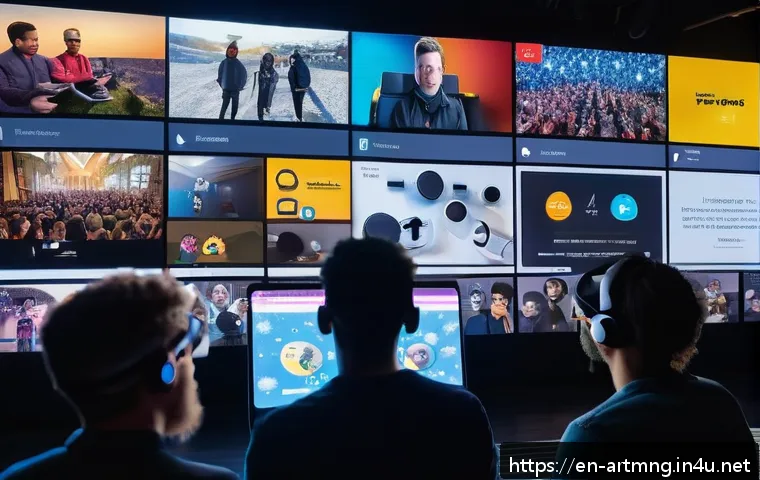
The traditional notion of watching a performance has been completely upended by interactive live streaming. Instead of merely sitting back and watching, viewers can now participate in real-time chats, vote on setlists, or even influence the direction of a show.
From my own experience attending virtual concerts, the ability to interact with other fans and performers creates a sense of community that was surprisingly absent from many in-person events.
Platforms like Twitch and StageIt have embraced these features, turning passive audiences into active contributors. This shift not only deepens emotional connections but also encourages repeat attendance because the experience feels personalized and unique every time.
Virtual Reality and Immersive Experiences
Virtual Reality (VR) is no longer just a futuristic concept; it’s rapidly becoming a practical tool for performers to bring their art directly into fans’ living rooms.
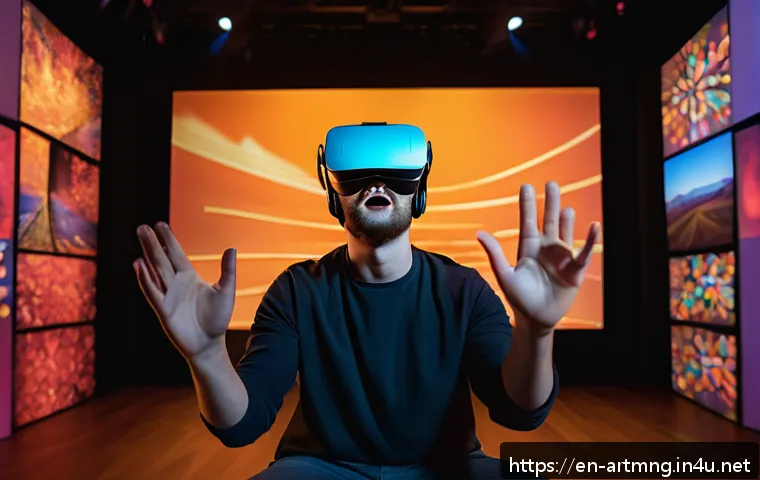
By donning a VR headset, audiences can feel as if they’re seated front row, or even on stage alongside the performers. I’ve tried a few VR theatre productions, and the immersive nature of the experience is unlike anything traditional venues offer.
This technology breaks geographical barriers, making performances accessible to those who might never have the chance to attend in person. Moreover, it opens up creative storytelling possibilities, allowing directors to design multi-sensory experiences that blend reality and imagination seamlessly.
Hybrid Events: Merging Physical and Digital Worlds
Hybrid events are becoming the norm rather than the exception, combining live audiences with virtual participation. This model offers the best of both worlds: the energy of a physical crowd and the inclusivity of online access.
From what I’ve observed, hybrid formats enable artists to reach broader demographics, including international fans who can’t travel but want to be part of the experience.
These events often incorporate multiple camera angles, behind-the-scenes content, and interactive features exclusive to virtual attendees. For producers, hybrid events provide diversified revenue streams, balancing ticket sales, digital subscriptions, and sponsorships.
Expanding Accessibility and Diversity in Performing Arts
Breaking Down Geographical and Physical Barriers
Technology has played a pivotal role in making performing arts more accessible to people regardless of their location or physical ability. In the past, attending a Broadway show or an opera meant being physically present, which was often impossible for those living in remote areas or with mobility challenges.
Streaming platforms and on-demand performances now allow anyone with an internet connection to enjoy top-tier productions from their own homes. I’ve spoken with friends who have visual or hearing impairments who appreciate features like audio descriptions and captioning integrated into digital performances.
These inclusivity measures are reshaping how the arts are consumed and appreciated globally.
Encouraging Diverse Voices and Stories
The digital space has lowered entry barriers for emerging artists from diverse backgrounds to showcase their talents. Online platforms empower creators to bypass traditional gatekeepers and directly reach audiences hungry for fresh perspectives.
From queer theatre companies to indigenous dance troupes, the variety of voices represented online has exploded. Based on my engagement with various virtual festivals and social media communities, this democratization of content leads to richer, more varied storytelling that resonates with wider audiences.
It’s inspiring to witness how technology fosters cultural exchange and nurtures underrepresented artists.
Tools for Enhanced Accessibility
Several tools have been introduced to make virtual performances more accessible. These include real-time captioning, sign language interpretation embedded in streams, and customizable audio settings that cater to different hearing needs.
In addition, some platforms offer multi-language subtitles, which broaden reach to international viewers. Personally, I’ve found that these features not only help those with disabilities but also enhance the overall viewing experience by making content clearer and more engaging.
Accessibility is no longer an afterthought but a core consideration in digital performance design.
Innovative Monetization Strategies for Creators
Subscription Models and Membership Perks
One of the most significant shifts I’ve noticed is the rise of subscription-based access to performances and exclusive content. Platforms like Patreon, OnlyFans, and specialized arts streaming services enable artists to cultivate loyal fanbases willing to pay monthly fees for behind-the-scenes access, early ticket sales, or exclusive performances.
This model creates a steady revenue stream that’s less dependent on single ticket sales, offering financial stability for creators. In my conversations with indie musicians and theatre groups, many express that subscriptions allow them to experiment creatively without the pressure of immediate commercial success.
Dynamic Pricing and Pay-What-You-Can Models
Dynamic pricing, where ticket costs fluctuate based on demand or audience location, has become more common in the digital realm. Coupled with pay-what-you-can options, these approaches make performances more financially accessible while maximizing revenue from those willing to pay more.
I attended a virtual theatre event that offered sliding scale tickets, and the atmosphere felt inclusive, encouraging more people to participate regardless of budget.
For producers, such pricing flexibility can boost overall attendance and goodwill, enhancing long-term sustainability.
Brand Partnerships and Sponsored Content
Sponsorship deals and brand partnerships are gaining traction as additional income sources for performing artists. Digital platforms provide rich data about audiences, which brands use to tailor marketing campaigns.
Artists can integrate subtle product placements or co-create branded content without compromising artistic integrity. From what I’ve seen, successful partnerships are those that align with the artist’s values and audience interests, creating a win-win for all parties involved.
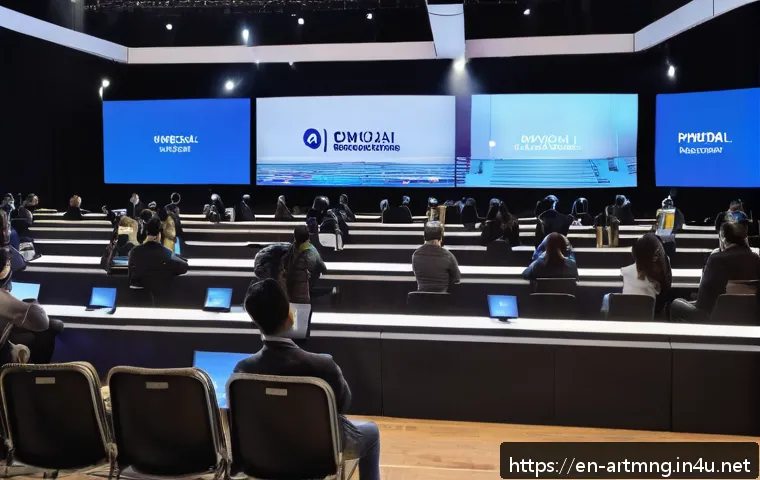
This monetization avenue offers creative freedom while tapping into corporate budgets that support the arts.
Challenges and Ethical Considerations in Digital Performing Arts
Balancing Artistic Integrity and Commercial Pressure
As more performances move online, artists face the challenge of balancing creative vision with commercial demands. The pressure to attract clicks, likes, and shares can sometimes push creators toward formulaic or sensational content.
From my discussions with fellow performers, maintaining authenticity while engaging audiences requires careful strategy and sometimes difficult compromises.
It’s essential for artists to prioritize their message and values to avoid diluting their work in pursuit of viral success.
Privacy and Data Security Concerns
With increasing digital engagement comes the responsibility to protect audience and artist data. Streaming platforms collect extensive user information, raising concerns about privacy and potential misuse.
I’ve encountered debates within online arts communities about how much personal data should be shared and how platforms handle it. Transparency and stringent data protection measures are vital to building trust between creators, platforms, and audiences.
Ethical practices in data management will influence the long-term credibility of digital performing arts ecosystems.
Digital Divide and Unequal Access
Despite advances in technology, not everyone benefits equally. The digital divide remains a significant hurdle, particularly for low-income communities and regions with limited internet infrastructure.
This gap limits access to virtual performances and the opportunity to participate in the digital economy of the arts. From my observations volunteering with arts outreach programs, addressing this divide requires collaborative efforts between governments, nonprofits, and tech companies to expand affordable connectivity and digital literacy.
Emerging Technologies Shaping the Future of Performance
Artificial Intelligence in Creative Processes
AI is increasingly becoming a collaborator in creating music, choreography, and stage design. Some artists use AI tools to generate new ideas, compose soundscapes, or even simulate audience reactions.
I experimented with AI-assisted music composition recently, and while it doesn’t replace human creativity, it opens doors to novel artistic expressions.
The fusion of human intuition and machine learning promises exciting possibilities, but also raises questions about authorship and originality.
Blockchain and NFTs for Rights and Revenue
Blockchain technology and Non-Fungible Tokens (NFTs) are revolutionizing how artists manage intellectual property and monetize digital assets. NFTs allow performers to sell unique digital memorabilia or limited-edition content directly to fans, creating new revenue streams.
In conversations with digital artists, many see NFTs as empowering tools to retain ownership and receive fair compensation. However, the environmental impact and market volatility of blockchain remain hot topics requiring ongoing discussion.
Augmented Reality Enhancing Live Events
Augmented Reality (AR) overlays digital elements onto physical environments, enriching live performances with visual effects, interactive sets, and real-time data.
Attending an AR-enhanced concert last year, I was amazed by how digital layers transformed a simple stage into a dynamic storytelling canvas. AR can make performances more engaging and accessible, especially for younger audiences familiar with gaming and mobile apps.
The integration of AR technology is set to redefine what “live” means in the performing arts.
Key Comparisons of Digital Platforms for Performing Arts
| Platform | Main Features | Audience Interaction | Monetization Options | Accessibility Features |
|---|---|---|---|---|
| Twitch | Live streaming, chat, emotes | Real-time chat, polls | Subscriptions, donations, ads | Closed captions (limited), screen reader support |
| StageIt | Pay-per-view shows, tipping | Live chat, song requests | Ticket sales, tips | Closed captioning available |
| Patreon | Subscription-based content | Direct messaging, community posts | Monthly subscriptions | Customizable accessibility options by creator |
| Veeps | Ticketing, live streaming | Chat, exclusive content | Ticket sales, merchandise integration | Captioning, multi-language support |
| Facebook Live | Wide reach, social integration | Comments, reactions | Ads, sponsored content | Auto captions, screen reader support |
Conclusion
Technology is transforming how audiences engage with performing arts, making experiences more interactive, accessible, and personalized. From virtual reality to hybrid events, these innovations open new creative and financial opportunities for artists. Embracing these changes allows both creators and fans to connect in deeper, more meaningful ways than ever before.
Useful Information to Keep in Mind
1. Interactive live streaming enhances audience participation, creating a vibrant community atmosphere during performances.
2. Virtual reality offers immersive experiences that break down physical and geographical barriers, expanding access to the arts.
3. Subscription and dynamic pricing models provide artists with more stable and flexible revenue streams in the digital era.
4. Accessibility tools like captioning and sign language interpretation ensure inclusivity for diverse audiences.
5. Ethical considerations around privacy, data security, and the digital divide remain crucial as performing arts continue to evolve online.
Key Takeaways
Adopting new technologies in performing arts requires balancing innovation with artistic integrity and ethical responsibility. While digital platforms offer exciting possibilities for engagement and monetization, creators must remain mindful of audience privacy and accessibility to foster trust and inclusion. Ultimately, embracing these advances thoughtfully will shape a more dynamic and equitable future for the performing arts community.
Frequently Asked Questions (FAQ) 📖
Q: uestionsQ1: How have streaming platforms changed the way performing arts are produced and consumed?
A: Streaming platforms have revolutionized performing arts by making live performances accessible to a global audience anytime, anywhere. Artists and producers can now reach viewers beyond traditional theater seats, expanding their fan base and revenue streams.
From my experience, this shift also encourages creators to innovate with digital storytelling techniques and interactive elements, blending live and virtual experiences in ways that were unimaginable just a few years ago.
Q: What challenges do artists face when adapting their work for virtual or streamed performances?
A: One major challenge is maintaining the emotional connection and energy that live audiences naturally provide. Performing for a camera instead of a room full of people requires different skills and adjustments in timing, delivery, and staging.
Additionally, technical issues like streaming quality and internet stability can impact the audience’s experience. From what I’ve seen and heard from artists, it takes time and experimentation to master this new format while keeping the artistic integrity intact.
Q: How can embracing technology improve accessibility in the performing arts?
A: Technology breaks down many barriers by allowing people who might not attend in-person events—due to geography, mobility issues, or cost—to experience performances from their own homes.
Captioning, audio descriptions, and multiple camera angles further enhance inclusivity. Personally, I’ve noticed that virtual access often brings in more diverse audiences who might have never engaged with the arts otherwise, opening doors for greater cultural exchange and appreciation.