In today’s rapidly changing economic landscape, nonprofit arts organizations face unique financial challenges that demand fresh, innovative solutions.
As funding streams tighten and competition grows, finding sustainable revenue strategies is more critical than ever. Whether you’re an arts leader or a passionate supporter, understanding these dynamic approaches can unlock new opportunities for growth and impact.
Let’s dive into proven methods that not only stabilize finances but also empower creativity to thrive. Together, we can explore how innovation fuels success in the arts sector’s future.
Embracing Diverse Income Streams for Stability
Expanding Beyond Traditional Grants
In my experience working closely with arts organizations, relying solely on grants feels like walking a financial tightrope. While grants can provide substantial support, they often come with strict guidelines and competitive application processes.
Diversifying income sources by incorporating individual donations, corporate sponsorships, and earned income through ticket sales or merchandise can ease this pressure.
For example, one theater company I know started offering workshops and classes, which not only generated revenue but also strengthened community ties.
This kind of diversification builds a safety net that’s less vulnerable to sudden funding cuts.
Leveraging Membership and Subscription Models
Subscription and membership models have become game-changers in the nonprofit arts sector. When patrons pay a monthly or annual fee, it creates a predictable revenue stream that helps with budgeting and long-term planning.
I’ve seen art museums and galleries successfully implement tiered memberships, offering perks like exclusive previews or behind-the-scenes tours. This approach not only increases income but also deepens engagement, turning casual visitors into dedicated supporters who feel personally connected to the organization’s mission.
Innovating with Earned Income Opportunities
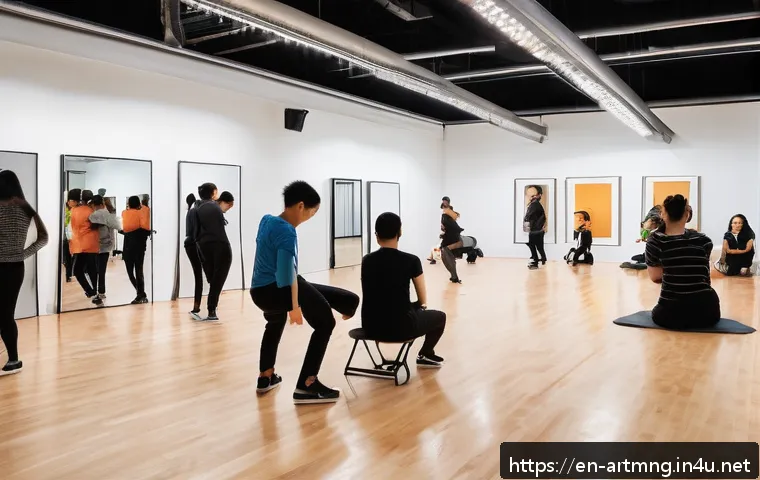
Earned income strategies can range from renting out spaces to hosting special events or selling artist merchandise. One of the most interesting cases I encountered was a dance company that transformed its rehearsal studio into a rentable event space during off-hours.
This kind of creative use of existing assets can significantly boost revenue without requiring major upfront investments. Moreover, it opens doors for collaboration with local businesses and community groups, multiplying the organization’s impact and visibility.
Building Strong Community Partnerships
Collaborating with Local Businesses
Forming partnerships with local businesses can be incredibly fruitful. From my observations, these collaborations often go beyond simple sponsorships.
Businesses may offer in-kind donations, co-host events, or provide platforms for joint marketing efforts. For instance, a community arts center I worked with partnered with a popular café to showcase local artists’ work, resulting in increased foot traffic and sales for both parties.
Such alliances create a win-win situation that fosters sustainability.
Engaging Volunteers as Financial Ambassadors
Volunteers aren’t just extra hands; they can be powerful advocates for fundraising. I’ve noticed that when volunteers understand the financial challenges and goals of an organization, they naturally become enthusiastic fundraisers and connectors.
Training volunteers to share stories, promote events, and even approach potential donors can multiply fundraising efforts exponentially. This grassroots approach often feels more genuine and effective than traditional campaigns.
Creating Multi-Generational Appeal
Bridging generational gaps can open new funding avenues and audience segments. Arts organizations that develop programs appealing to both younger and older demographics tend to enjoy broader community support.
For example, family-friendly performances combined with adult education workshops attract diverse audiences who might also contribute financially. This strategy helps future-proof the organization by cultivating lifelong patrons.
Utilizing Technology to Enhance Revenue
Online Fundraising and Crowdfunding
Digital platforms have revolutionized fundraising in the arts sector. I’ve seen organizations raise significant funds through online campaigns, especially when they tell compelling stories and engage donors with updates.
Crowdfunding sites allow reaching wider audiences beyond traditional donor bases. When done right, these campaigns create a sense of urgency and community participation that traditional methods sometimes lack.
Virtual Events and Performances
The shift toward virtual events during recent years opened new possibilities for revenue generation. Streaming performances or hosting virtual art classes have allowed organizations to reach global audiences.
While not all virtual events replace in-person revenue, combining both can create a hybrid model that expands reach and income. In my view, investing in quality digital production pays off by attracting tech-savvy patrons and reducing geographical barriers.
Data-Driven Donor Engagement
Using data analytics to understand donor behavior can significantly improve fundraising outcomes. I’ve helped nonprofits implement CRM systems that track giving patterns, event attendance, and communication preferences.
This information enables tailored outreach and personalized thank-you messages, which donors really appreciate. The result is stronger relationships and higher retention rates, ultimately boosting long-term financial health.
Maximizing Impact Through Strategic Programming
Aligning Programs with Funding Priorities
It’s crucial to design programs that resonate with current funding trends without compromising artistic integrity. I’ve witnessed organizations successfully tailor their projects to align with funders’ priorities, such as community engagement or education, while maintaining creative vision.
This strategic alignment not only increases chances of receiving grants but also demonstrates responsiveness and relevance.
Balancing Artistic Risk and Financial Viability
Taking artistic risks is essential for innovation, but it must be balanced with financial realities. In practice, this means mixing bold, experimental works with proven crowd-pleasers that generate steady income.
I recall a nonprofit theater company that programmed avant-garde plays alongside popular musicals, ensuring they stayed financially solvent while pushing creative boundaries.
This balanced approach keeps audiences engaged and finances stable.
Evaluating Program Outcomes for Funders and Stakeholders
Demonstrating impact through clear metrics is increasingly important for funders. Collecting data on attendance, participant feedback, and community benefits helps tell a compelling story.
I’ve worked with organizations that developed simple yet effective evaluation tools, making reporting easier and more transparent. This practice builds trust and opens doors for continued and expanded support.
Smart Financial Management Practices
Implementing Robust Budgeting Processes
A detailed, realistic budget is the backbone of financial health. I’ve seen firsthand how regular budget reviews and adjustments prevent surprises and enable proactive decision-making.
Engaging program staff in budgeting also fosters ownership and accountability. This collaborative approach leads to more accurate forecasting and better resource allocation.
Building Cash Reserves for Uncertain Times
Creating a financial cushion is often overlooked but essential. From my experience, even a modest reserve equivalent to three months of operating expenses can make a huge difference during funding gaps or unexpected costs.
Establishing policies for reserve growth and use helps ensure this safety net is maintained and wisely spent.
Utilizing Financial Technology Tools
Modern financial software simplifies tracking, reporting, and compliance. I’ve helped nonprofits adopt cloud-based accounting systems that provide real-time insights and reduce administrative burden.
These tools also facilitate transparency, which strengthens donor confidence and supports grant applications.
Developing Leadership and Capacity for Growth
Investing in Board Development and Fundraising Skills
A knowledgeable and engaged board can be a fundraising powerhouse. Training board members in development techniques and financial literacy transforms them into effective advocates.
I’ve observed organizations where board retreats focused on fundraising strategies led to increased donations and stronger governance.
Fostering Staff Capacity and Retention
Retaining skilled staff is vital for sustaining financial initiatives. Offering professional development and recognizing achievements boosts morale and productivity.
Personally, I’ve seen arts organizations thrive when leaders prioritize staff well-being and growth, leading to more innovative and efficient fundraising efforts.
Encouraging a Culture of Innovation and Adaptability
Nonprofits that embrace change and encourage creative problem-solving tend to navigate financial challenges better. Cultivating an environment where staff and volunteers feel empowered to experiment with new ideas often results in unexpected revenue opportunities.
This mindset shift is key to long-term resilience.
| Revenue Strategy | Key Benefits | Potential Challenges | Example Tactics |
|---|---|---|---|
| Diversified Income Streams | Financial stability, reduced reliance on single source | Requires more management, risk of dilution | Grants, donations, earned income, memberships |
| Community Partnerships | Expanded audience, shared resources | Alignment of goals, communication complexities | Local business collaborations, volunteer fundraising |
| Technology Utilization | Wider reach, efficient donor engagement | Initial investment, digital divide | Online fundraising, virtual events, CRM systems |
| Strategic Programming | Increased funding alignment, audience growth | Balancing innovation and revenue | Program design, impact evaluation |
| Financial Management | Better budgeting, cash flow control | Requires financial expertise | Budget reviews, reserves, financial software |
| Leadership Development | Stronger fundraising, staff retention | Time and resource investment | Board training, staff development, culture building |
Closing Thoughts
Building financial resilience in arts organizations requires a multifaceted approach that embraces diverse income streams, strong community ties, and smart use of technology. Drawing from real-world examples, it’s clear that balancing innovation with practical financial management fosters long-term sustainability. With committed leadership and strategic programming, organizations can thrive even in uncertain environments.
Helpful Insights
1. Diversifying income reduces dependency on any one funding source, making organizations more adaptable to changes.
2. Engaging local businesses and volunteers creates mutually beneficial partnerships that expand reach and resources.
3. Embracing digital tools like online fundraising and data analytics enhances donor engagement and operational efficiency.
4. Aligning programs with funders’ priorities while maintaining artistic integrity strengthens funding opportunities and audience connection.
5. Investing in leadership development and staff well-being leads to stronger fundraising results and organizational growth.
Key Takeaways
Successful financial stability in the arts comes from a strategic blend of diversified revenue, community collaboration, and technology adoption. Prioritizing clear budgeting, cash reserves, and leadership capacity is essential for sustainable growth. Equally important is the balance between creative risk and financial prudence, ensuring both artistic vibrancy and fiscal health. These elements together empower organizations to navigate challenges and seize new opportunities confidently.
Frequently Asked Questions (FAQ) 📖
Q: uestionsQ1: What are some innovative revenue strategies for nonprofit arts organizations to sustain their finances?
A: Nonprofit arts organizations can explore diverse revenue streams beyond traditional grants and donations. For example, launching membership programs with exclusive benefits, developing merchandise tied to popular exhibits or performances, and hosting virtual events or workshops can create steady income.
Additionally, forming partnerships with local businesses for sponsorships or collaborative projects often opens new funding channels. From my experience working with arts groups, blending these approaches not only stabilizes finances but also deepens community engagement, which is crucial for long-term success.
Q: How can arts organizations balance financial sustainability with maintaining creative freedom?
A: It’s a delicate dance, but prioritizing transparency and setting clear goals helps. When funders and stakeholders understand the artistic vision and value, they’re more likely to support without imposing restrictive conditions.
I’ve seen organizations thrive by diversifying income sources so they aren’t reliant on a single funder. This financial independence allows artists to experiment and take creative risks.
Also, incorporating audience feedback while staying true to the mission can guide programming decisions that satisfy both fiscal needs and artistic integrity.
Q: What role does innovation play in the future success of nonprofit arts organizations?
A: Innovation is absolutely vital. In an era where competition for attention and funding is fierce, organizations that embrace new technologies, marketing strategies, and audience engagement methods stand out.
For instance, integrating augmented reality in exhibitions or leveraging social media storytelling can attract younger, tech-savvy audiences. From what I’ve observed, those who innovate not only survive but often expand their reach and impact, turning challenges into opportunities for growth and meaningful community connection.