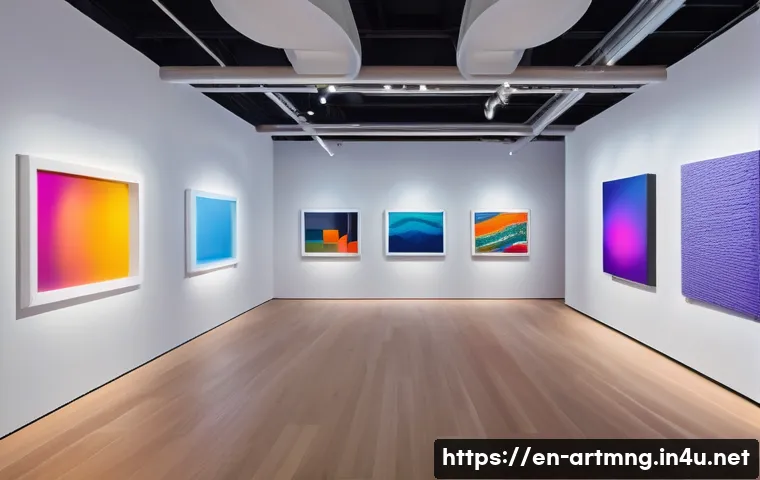
In today’s fast-evolving world, the intersection of arts management and UX design is becoming increasingly vital. Both fields focus on creating meaningful experiences, whether through cultural events or digital interfaces.

Understanding how they complement each other can unlock innovative ways to engage audiences and boost satisfaction. From enhancing visitor journeys at museums to designing intuitive apps for art lovers, the blend of these disciplines is reshaping how we interact with creativity.
Let’s dive deeper and explore this fascinating synergy in detail!
Transforming Visitor Engagement Through Sensory Design
Crafting Multisensory Experiences
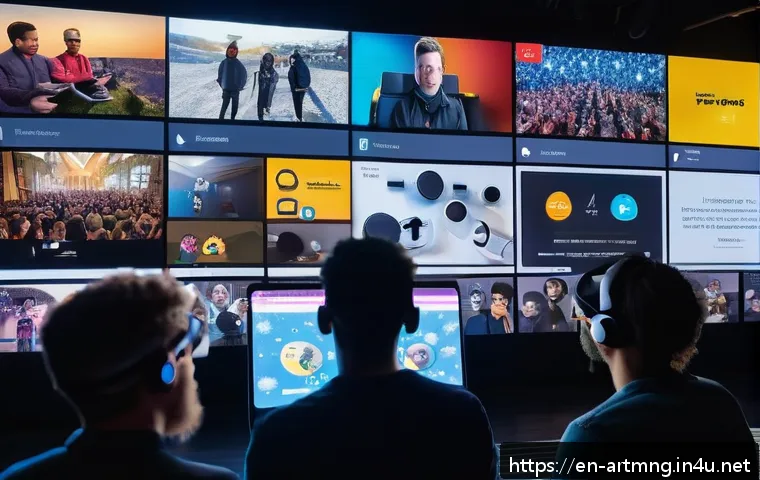
When visiting a gallery or cultural event, it’s often the subtle sensory cues that leave the most lasting impression. Incorporating soundscapes, tactile installations, and ambient lighting can turn a simple visit into an immersive journey.
From my experience attending interactive exhibitions, these elements create a deeper emotional connection, making the art feel alive rather than static.
Sensory design in these spaces guides visitors’ attention intuitively, much like how a well-designed app leads users seamlessly through content. This thoughtful layering enhances memorability and encourages repeat visits.
Mapping Emotional Journeys
Understanding visitor emotions at each stage—from anticipation to reflection—can revolutionize how arts organizations design their spaces and programs.
By using UX principles like journey mapping, managers can identify pain points or moments of delight. For example, long queues or confusing signage might dampen excitement, whereas personalized audio guides or quiet contemplation zones can elevate the experience.
Having personally observed how emotional mapping improved a museum’s layout, I can attest that small tweaks can significantly boost satisfaction and word-of-mouth recommendations.
Balancing Technology and Authenticity
There’s a fine line between enhancing experiences with technology and overwhelming the visitor with gadgets. The best designs strike a balance, using tech to support storytelling without distracting from the art itself.
I’ve seen exhibitions where augmented reality added rich layers of context, yet still felt natural rather than gimmicky. This balance ensures that technology feels like a helpful companion, not a barrier, keeping the human element front and center in cultural engagement.
Designing for Accessibility and Inclusivity
Removing Barriers to Participation
Accessibility is more than compliance; it’s about creating welcoming environments where everyone feels valued. UX design strategies, such as clear navigation, adjustable text sizes, and alternative formats, are vital in making arts venues and digital platforms inclusive.
From my visits to various museums, those that prioritize accessibility often see broader and more diverse audiences. These design choices aren’t just technical fixes—they demonstrate respect and openness, which can deepen community ties.
Embracing Diverse User Perspectives
Inclusive design requires understanding the varied needs of different user groups. This means involving people with disabilities, different cultural backgrounds, and varying tech literacies in the design process.
I’ve had the chance to collaborate on projects where co-creation workshops with diverse participants led to unexpected insights, resulting in more intuitive and culturally sensitive interfaces.
This approach not only improves usability but also enriches the content and experience offered.
Adaptive Experiences for Different Contexts
An arts experience shouldn’t be one-size-fits-all. UX design encourages adaptability, offering multiple paths to engagement depending on the visitor’s preferences or circumstances.
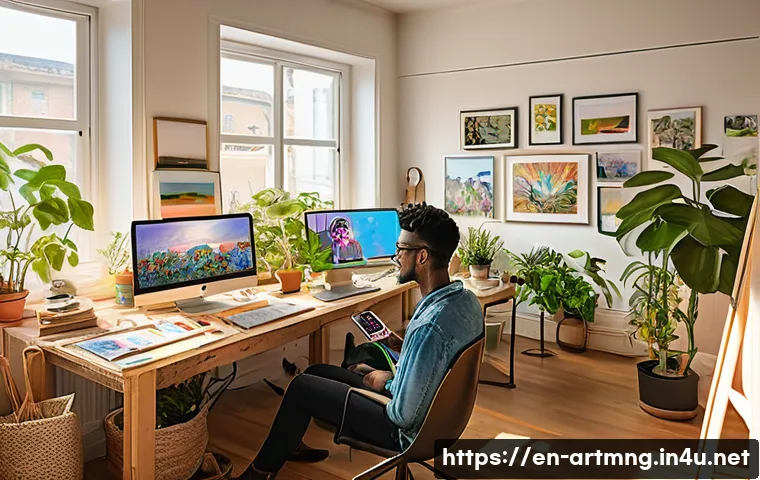
For example, a museum app might provide both quick highlights for casual visitors and in-depth content for enthusiasts. Personally, I appreciate when apps or installations let me choose how deep I want to dive, making the experience feel personalized and respectful of my time and interests.
Leveraging Data to Enhance Creative Offerings
Gathering Meaningful Insights
Data collection can sometimes feel intrusive, but when done thoughtfully, it becomes a powerful tool to understand audience behavior and preferences. Arts organizations can track how visitors move through spaces, which exhibits captivate the most, and how digital users interact with content.
I recall a project where analyzing heatmaps of gallery visitors helped curators reposition artworks to improve flow and engagement. This evidence-based approach takes the guesswork out of programming and design.
Personalizing User Experiences
With data, it’s possible to tailor experiences to individual tastes and past interactions. For instance, a museum app might recommend exhibits based on a visitor’s prior visits or favorite themes.
This personalization makes the experience feel more relevant and special. I’ve noticed that when I receive customized suggestions, my overall enjoyment increases, and I’m more likely to explore beyond my usual interests.
Respecting Privacy While Innovating
Balancing data-driven personalization with privacy is crucial. Transparent communication about what data is collected and how it’s used builds trust. From my perspective, users appreciate when organizations provide clear opt-in options and ensure data security.
This ethical approach not only protects visitors but also strengthens long-term relationships and brand reputation.
Fostering Community Through Interactive Platforms
Building Digital Gathering Spaces
Online platforms that combine social features with art content create vibrant communities beyond physical walls. Forums, live chats, and collaborative projects enable fans and creators to connect and share experiences.
I’ve participated in virtual gallery tours where discussion threads added layers of interpretation and engagement, making the event feel more dynamic and inclusive.
Encouraging User-Generated Content
Inviting audiences to contribute their perspectives, whether through reviews, photos, or creative responses, enriches the cultural dialogue. This participatory model empowers visitors and fosters a sense of ownership.
In my experience managing digital campaigns, user-generated content often drives higher engagement and authenticity, which benefits both the community and the institution.
Seamless Integration Across Channels
Ensuring a consistent and fluid experience between physical and digital touchpoints is essential. For example, a mobile app might sync with onsite activities, providing real-time updates or interactive maps.
I’ve seen how these integrations reduce friction and deepen immersion, making it easier for visitors to navigate and engage across formats without confusion.
Optimizing Content for Emotional Impact

Storytelling as a Design Pillar
Narratives shape how people connect with art and culture. Good UX design leverages storytelling techniques to guide users through meaningful arcs. For example, sequencing exhibits or app screens to build anticipation and reveal insights gradually can heighten emotional resonance.
I’ve experienced guided tours that felt like unfolding stories, making the content more memorable and impactful.
Visual Hierarchy and Clarity
Effective use of color, typography, and layout directs attention and reinforces mood. For arts-related platforms, clean and elegant design that respects the artwork itself is crucial.
From my observations, sites or apps with cluttered interfaces often distract or frustrate users, while well-structured visuals enhance comprehension and enjoyment.
Interactive Elements to Deepen Engagement
Interactive features such as quizzes, polls, or AR components invite active participation, transforming passive viewing into dynamic involvement. I once explored a digital exhibition where interactive timelines allowed me to explore historical contexts at my own pace, which made the learning experience richer and more personalized.
Measuring Success Beyond Numbers
Qualitative Feedback and Storytelling
While metrics like visitor count or app downloads are important, qualitative feedback reveals deeper insights into user satisfaction and emotional impact.
Collecting stories, testimonials, and open-ended responses can highlight what truly resonates. In projects I’ve been involved with, these narratives often inspire new directions and validate design choices beyond what numbers alone can show.
Long-Term Relationship Building
Success isn’t just a one-time interaction but an ongoing dialogue. UX design encourages creating touchpoints that nurture loyalty and advocacy, such as newsletters, membership programs, or exclusive content.
From my perspective, organizations that invest in these relationships often see stronger community bonds and sustained support.
Adapting Based on Continuous Learning
The best strategies evolve through iterative testing and responsiveness to user needs. Monitoring feedback loops and being willing to pivot enhances resilience and relevance.
I’ve found that embracing a mindset of continuous improvement, rather than static perfection, leads to more meaningful and innovative cultural experiences.
| Aspect | Arts Management Approach | UX Design Contribution | Combined Impact |
|---|---|---|---|
| Audience Engagement | Curating immersive exhibitions, personalized events | Designing intuitive interfaces, user journey mapping | Deeper emotional connection, higher satisfaction |
| Accessibility | Inclusive programming, physical accommodations | Adaptive layouts, assistive technology integration | Broader participation, equitable experiences |
| Data Utilization | Visitor analytics, feedback collection | Behavior tracking, personalization algorithms | Evidence-based improvements, tailored content |
| Community Building | Events, collaborations, membership programs | Social platforms, user-generated content | Stronger connections, active participation |
| Content Delivery | Storytelling, exhibit design | Visual hierarchy, interactive elements | Enhanced comprehension, emotional resonance |
Innovating Through Cross-Disciplinary Collaboration
Bringing Diverse Expertise Together
When professionals from arts management and UX design work side by side, the creative possibilities expand exponentially. Each brings unique perspectives—arts managers understand the cultural context and audience needs, while UX designers excel at problem-solving and user-centric thinking.
In projects I’ve witnessed, this collaboration leads to innovative solutions that neither discipline could achieve alone.
Prototyping and Testing in Real Contexts
Rapid prototyping and user testing borrowed from UX methodologies help arts institutions experiment with new formats and technologies without heavy upfront investments.
I’ve seen how pilot programs and feedback sessions identify unexpected challenges and opportunities, allowing for agile refinements that improve final outcomes.
Embedding Flexibility in Design Processes
Cultural trends and user expectations evolve quickly, so embedding flexibility into design processes is key. Collaborative teams that maintain open communication and iterative workflows can adapt to shifting needs effectively.
From personal experience, fostering a culture of shared learning and openness enhances both creativity and resilience in delivering outstanding experiences.
Closing Thoughts
Integrating sensory design, accessibility, and data-driven insights transforms how audiences connect with art and culture. Through collaboration between arts management and UX design, experiences become more immersive, inclusive, and personalized. Embracing innovation while respecting authenticity ensures lasting engagement and meaningful community building.
Useful Information to Keep in Mind
1. Multisensory elements like sound and lighting deepen emotional engagement and encourage visitors to return.
2. Mapping visitor emotions helps identify areas for improvement and enhances overall satisfaction.
3. Balancing technology with authentic storytelling keeps the human connection at the forefront of cultural experiences.
4. Inclusive design practices broaden audience reach and foster a welcoming environment for all.
5. Leveraging data responsibly allows for personalized experiences while maintaining visitor trust and privacy.
Key Takeaways
Creating meaningful cultural experiences requires a thoughtful blend of sensory design, accessibility, and data-informed personalization. Collaborative efforts between arts managers and UX professionals unlock innovative approaches that enrich visitor engagement. Prioritizing ethical data use and community interaction strengthens long-term relationships, making cultural spaces more vibrant and inclusive for everyone.
Frequently Asked Questions (FAQ) 📖
Q: How does arts management benefit from incorporating UX design principles?
A: Arts management gains significantly by applying UX design because it shifts the focus toward the audience’s overall experience. When museums, galleries, or cultural events prioritize user-friendly navigation, clear communication, and emotional engagement, visitors feel more connected and satisfied.
From my own visits to art exhibitions with thoughtfully designed interactive elements, I noticed how smoothly the experience flowed and how it encouraged me to explore more deeply.
This approach not only boosts attendance but also enhances the reputation and impact of arts organizations.
Q: What are some practical examples of UX design improving cultural event experiences?
A: One clear example is the use of mobile apps that guide visitors through museum exhibits with personalized tours, multimedia content, and real-time updates.
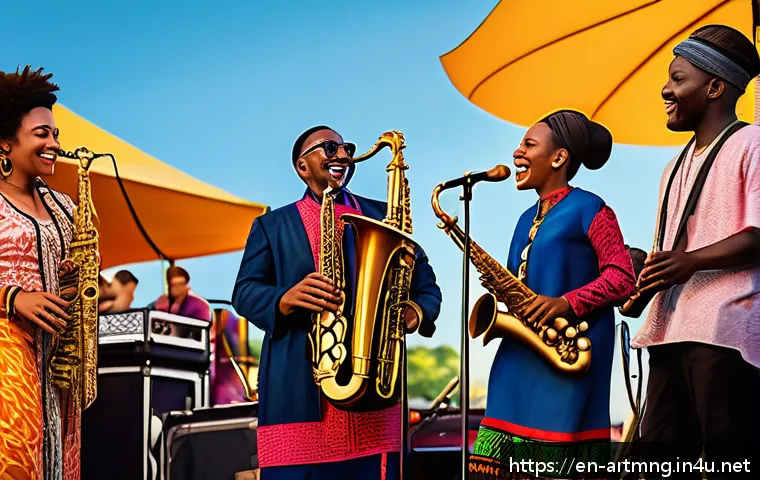
I once attended an art festival where the event app helped me plan my schedule, locate stages, and even provide feedback instantly. These features made the experience seamless and enjoyable.
Additionally, designing intuitive ticketing systems or interactive installations that respond to visitor input also makes events more accessible and engaging, increasing overall visitor satisfaction and loyalty.
Q: Can the combination of arts management and UX design help attract a broader audience?
A: Absolutely. By blending arts management expertise with UX design, cultural organizations can cater to diverse audiences, including younger generations who expect digital convenience and interactivity.
For example, incorporating social sharing features or virtual reality experiences can draw in tech-savvy visitors who might not otherwise engage with traditional art spaces.
From my perspective, this fusion creates inclusive environments that welcome different user preferences, ultimately expanding reach and fostering a more vibrant cultural community.