Hey there, art lovers and future visionaries! If you’ve been keeping an eye on the digital horizon, you’ve probably noticed something truly groundbreaking happening: art, as we’ve known it, is undergoing a spectacular transformation.
Honestly, I’ve been absolutely captivated by how quickly creativity is evolving, pushing boundaries we never even imagined. It feels like just yesterday we were marveling at digital paintings, and now?
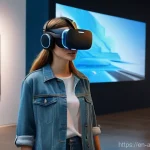
We’re stepping right into immersive virtual galleries where the artwork isn’t just something you see, it’s something you *experience* and interact with.
This isn’t just a fleeting trend; it’s a seismic shift powered by technologies like the metaverse, offering artists unprecedented freedom and opening up entirely new avenues for expression and connection globally.
Imagine owning a piece of art that evolves with your mood or collaborating on a masterpiece with someone on the other side of the world, all within a vibrant, persistent digital space.
The possibilities for creators to monetize their work and for collectors to discover unique pieces through NFTs are simply exploding, reshaping the very economics of art as we know it.
From my perspective, we’re witnessing the dawn of a new era where imagination truly has no limits, making art more accessible and engaging for everyone.
We’re talking about dynamic exhibitions that defy gravity, AI-generated masterpieces that learn and adapt, and digital assets that hold tangible value and authenticity.
It’s a thrilling, sometimes dizzying, landscape, but one that promises an incredibly rich future for how we create, share, and appreciate art. Let’s delve into the fascinating intersection of art and the metaverse right now and get a real handle on what’s coming next!
The Canvas of Tomorrow: Exploring Immersive Digital Realms
It’s truly astounding to witness how the art world is expanding beyond the confines of physical galleries and into vibrant, immersive digital spaces. I remember visiting my first virtual gallery, and honestly, it felt like stepping into a dream.
The possibilities are endless: you can literally walk through an artist’s imagination, explore sculptures that defy gravity, or even interact with pieces that change based on your proximity.
This isn’t just about viewing art; it’s about experiencing it in a deeply personal and interactive way. For artists, this means an unprecedented level of freedom – no more worrying about physical limitations, shipping costs, or even the perfect lighting; the metaverse offers a limitless canvas.
I’ve spoken to so many creators who feel like they’ve finally found a medium that truly matches their boundless creativity. It’s a game-changer for accessibility too, making art from across the globe available to anyone with an internet connection, breaking down geographical barriers that have historically limited exposure for both artists and art enthusiasts.
Stepping into Virtual Galleries
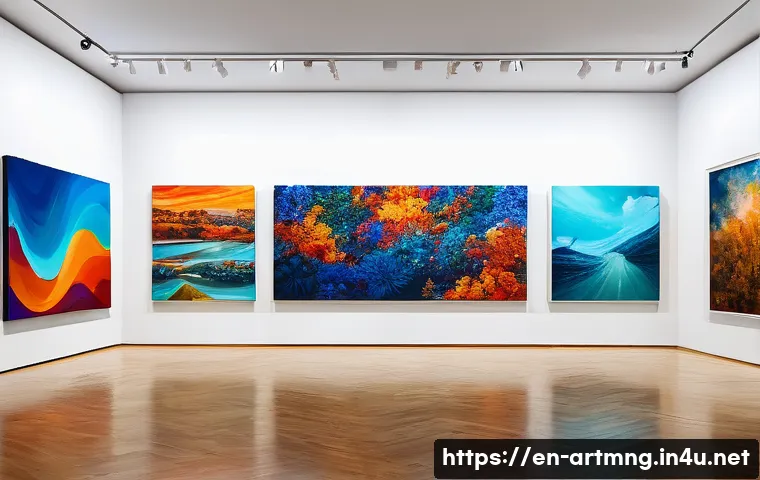
Forget the stuffy white walls of traditional museums; virtual galleries are a whole different beast! I’ve spent hours wandering through digital exhibitions where the architecture itself is a work of art, with impossible structures and evolving environments that perfectly complement the pieces displayed.
It’s not just about seeing a painting; it’s about being enveloped by its world. Some galleries even allow you to customize your viewing experience, adjusting lighting, soundscapes, or even the gravity within the space.
Imagine a sculpture floating serenely in zero-G, or a painting subtly shifting colors as you approach it. The level of engagement is just phenomenal, drawing you in far beyond what a static image ever could.
It’s like the art is breathing, living alongside you in this digital realm.
Interactive Art and Dynamic Experiences
What truly blows my mind about art in the metaverse is the shift from passive viewing to active participation. I’ve seen pieces where you can literally draw alongside the artist in real-time, or where the artwork reacts to your movements and gestures, becoming a unique, ephemeral creation with every interaction.
It’s like the traditional barrier between creator and audience dissolves, transforming viewers into co-creators. This dynamic nature means that every visit to a virtual exhibition can offer a fresh, unique experience, encouraging repeated engagement and fostering a deeper connection with the art itself.
It’s not just a picture on a wall anymore; it’s a living, breathing entity that evolves with you.
Unlocking Value: The NFT Revolution in Art Ownership
The conversation around NFTs and art can get a little wild, but from my perspective, they’ve introduced a seismic shift in how we perceive and assign value to digital creations.
Before NFTs, proving ownership or scarcity of a digital file was like trying to catch smoke. Now, with the power of blockchain, artists can tokenize their work, creating unique, verifiable digital assets that collectors can genuinely own.
I’ve personally seen independent artists, who once struggled to make ends meet, completely transform their careers by selling NFTs, reaching a global audience and commanding prices that reflect the true value of their talent.
It’s not just about a JPEG; it’s about a digital certificate of authenticity and a new paradigm for intellectual property in the digital age. This technology provides an immutable ledger that tracks ownership and transactions, offering unprecedented transparency and security in a market that desperately needed it.
The Power of Digital Scarcity and Provenance
One of the biggest hurdles for digital artists was the inherent reproducibility of their work. How do you sell an original when anyone can right-click and save?
NFTs solve this by creating verifiable scarcity. When you buy an NFT, you’re not just getting a digital file; you’re acquiring a unique token on the blockchain that proves your ownership of that specific, one-of-a-kind digital asset.
It’s like owning the signed original of a print that can be endlessly reproduced – the value lies in the authenticated original. This concept has given digital art a tangible value it rarely possessed before, allowing for a robust secondary market and providing artists with royalties on resales, which is a revolutionary concept for creators.
Connecting Artists and Collectors Globally
The global reach of the NFT marketplace is something I’m incredibly enthusiastic about. No longer are artists limited to local galleries or regional art fairs.
With platforms like OpenSea, Rarible, or SuperRare, an artist from anywhere in the world can showcase their work to a global audience of collectors. I’ve heard countless stories of artists discovering their niche audience halfway across the world, forging connections and building communities that transcend geographical boundaries.
This democratizes the art market in a way we’ve never seen, leveling the playing field and allowing talent to shine regardless of location or traditional gatekeepers.
It’s a truly empowering environment for creators.
Beyond the Brushstroke: AI as an Artistic Collaborator
Alright, let’s talk about AI in art, because this is where things get really fascinating and, sometimes, a little mind-bending! I’ve been experimenting with AI art tools myself, and honestly, the sheer creative potential is astounding.
It’s not about machines replacing human artists, but rather about AI becoming an incredible new tool, a collaborator in the creative process. Imagine feeding an AI your artistic vision, your sketches, your themes, and watching it generate entirely new compositions, styles, or even entire worlds that you could never have conceived on your own.
It’s like having a hyper-creative assistant that can instantly iterate on ideas, offering endless possibilities and pushing you to think in directions you never knew existed.
I find it less about relinquishing control and more about expanding my own creative horizon.
Generative Art and New Aesthetics
AI’s ability to create generative art is truly captivating. Algorithms can learn from vast datasets of existing art, then produce entirely new pieces that often possess a unique and compelling aesthetic.
We’re seeing everything from ethereal landscapes to abstract portraits that challenge our perceptions of beauty and originality. The beauty of it is that each output can be unique, a distinct piece born from a collaboration between human intent and algorithmic creativity.
It’s pushing the boundaries of what we consider “art” and opening up new conversations about authorship and artistic intent, which I find incredibly thought-provoking.
AI as a Creative Partner
What really excites me is the idea of AI not just as a tool, but as a genuine partner in the creative journey. Artists are using AI to generate starting points, to explore variations of a theme, or even to create interactive installations where the AI dynamically responds to audience input.
It’s a powerful engine for brainstorming and iteration, allowing artists to explore ideas at a speed and scale previously impossible. For instance, I recently saw an artist use AI to generate hundreds of unique patterns based on a single brushstroke, which they then incorporated into a larger digital mural.
This isn’t just about automation; it’s about augmentation, enhancing human creativity in ways we’re only just beginning to understand.
Curating the Virtual: Building Your Own Digital Art Empire
The idea of building your own art empire might sound daunting, but in the metaverse, it’s becoming more accessible than ever. I’ve seen individuals, not major institutions, launching their own stunning virtual galleries, showcasing curated collections of NFTs and digital masterpieces.
It’s not just for the established players anymore; anyone with a passion for art and a bit of tech savviness can become a curator, a gallerist, or even a patron in this new digital landscape.
The low barrier to entry for setting up a virtual space means that diverse voices and niche interests can finally find their platform, fostering a much richer and more inclusive art ecosystem.
It’s incredibly empowering to see creators taking control of their own exhibition spaces and narratives.
Designing Your Digital Gallery Space
Think about it: in the metaverse, you’re not limited by real-world physics or exorbitant rent. You can design a gallery that’s literally floating in space, submerged underwater, or tucked away in a fantastical forest.
The architecture itself becomes part of the artistic experience. I’ve seen creators use platforms like Decentraland, Spatial, or Cryptovoxels to build bespoke exhibition spaces that perfectly complement the art they display.
It’s an extension of their artistic vision, allowing them to create an entire mood and atmosphere around their collection, far beyond what’s possible in a physical building.
This creative freedom in design truly transforms the curation process into an art form itself.
Community and Collaboration in Digital Spaces
Beyond just showcasing art, virtual galleries are becoming incredible hubs for community building. I’ve attended countless virtual art talks, workshops, and even live painting sessions where artists and collectors from around the world gather, interact, and share their passion.
It’s not just about passive viewing; it’s about active participation and fostering genuine connections. Imagine meeting your favorite artist in their virtual studio, discussing their process, and maybe even collaborating on a piece!
This level of interaction is unparalleled and is cultivating a more engaged and connected art community than ever before. It’s where friendships are forged and creative ideas spark.
From Pixel to Profit: Monetization Strategies for Metaverse Artists
Let’s be real, while passion drives art, earning a living from it is crucial. The metaverse and NFTs have opened up an incredible array of monetization avenues that simply didn’t exist for digital artists before.
I’ve personally seen artists who were once struggling to gain recognition now selling their digital creations for significant sums, some even quitting their day jobs to pursue their art full-time.
It’s not just about selling individual pieces; there are so many creative ways to build a sustainable income stream in this new economy. It feels like the art market is finally catching up with the digital age, rewarding creators for their unique vision and technical prowess.
| Monetization Strategy | Description | Key Benefit for Artists |
|---|---|---|
| Direct NFT Sales | Selling unique digital artworks as NFTs on marketplaces like OpenSea, Rarible. | Direct revenue, verified ownership, global reach. |
| Royalty Payments | Earning a percentage (typically 5-10%) each time an NFT is resold on the secondary market. | Passive income stream, long-term value for original creators. |
| Virtual Exhibitions/Events | Hosting ticketed art shows, concerts, or interactive experiences within the metaverse. | Engagement, event-based revenue, community building. |
| Commissioned Digital Art | Creating custom digital pieces or avatars for collectors and brands. | Tailored income, client relationships, unique projects. |
| Merchandise & IP Licensing | Selling physical or digital merchandise based on NFT art, or licensing IP for other projects. | Brand extension, diversified revenue. |
Unlocking Recurring Revenue with Royalties
One of the most revolutionary aspects of NFTs for artists is the baked-in royalty system. This is something traditional artists have often fought for and rarely received.
With NFTs, artists can program a percentage of future sales directly into the smart contract. This means that every time their artwork is resold on a secondary market, they automatically receive a cut.
I’ve talked to artists who are now earning passive income from pieces they created years ago, which is an absolute game-changer for financial stability and long-term career planning.
It transforms a one-time sale into a perpetual income stream, truly valuing the ongoing contribution of the creator.
Diversifying Income through Virtual Experiences
Beyond just selling individual pieces, the metaverse offers incredible opportunities for artists to create immersive experiences that generate income.
Imagine hosting a ticketed virtual art festival in your own digital space, or leading an exclusive workshop where participants learn to create their own generative art.
I’ve seen artists collaborate with musicians for metaverse concerts where their visuals dynamically respond to the music, creating a truly unique and sellable experience.
These events not only generate revenue but also build a vibrant community around the artist’s work, increasing their visibility and fostering deeper connections with their audience.
Navigating the New Frontier: Challenges and Opportunities
Let’s not pretend it’s all sunshine and roses; venturing into the metaverse art world comes with its own set of challenges, just like any new frontier.
I’ve personally grappled with the steep learning curve of blockchain technology, the volatility of the crypto market, and the sheer effort it takes to cut through the noise.
However, for every challenge, there’s an equally compelling opportunity waiting to be seized. It’s about being adaptable, persistent, and genuinely curious.
The digital landscape evolves at lightning speed, so staying informed and willing to experiment is key. It can feel overwhelming at times, but the rewards for those who navigate it wisely are truly unparalleled.
Overcoming Technical Hurdles and Education Gaps
One of the biggest hurdles I’ve observed, and certainly experienced myself, is the technical complexity. For many traditional artists, diving into blockchain, crypto wallets, minting NFTs, and navigating virtual world platforms can feel like learning an entirely new language.
There’s a significant education gap, and honestly, the tools aren’t always the most user-friendly just yet. However, this challenge presents a massive opportunity for platforms and educators to simplify the process, offering accessible guides and intuitive interfaces.
As these tools become more mainstream, we’ll see an even greater explosion of artistic talent entering the space.
Market Volatility and Authenticity Concerns
The NFT art market can be incredibly volatile, influenced by broader crypto trends, hype cycles, and even speculative trading. This can be intimidating for artists and collectors alike, as values can fluctuate dramatically.
Furthermore, while NFTs offer provenance, concerns around copyright infringement, scams, and fraudulent listings still exist, requiring users to be vigilant and informed.
The opportunity here lies in developing more robust verification systems, clearer intellectual property guidelines, and fostering communities that prioritize ethical practices.
As the space matures, I believe we’ll see greater stability and stronger safeguards for creators and collectors.
The Human Touch in a Digital World: Community and Connection
Despite all the advanced technology and digital immersion, what truly makes the metaverse art scene vibrant, in my opinion, is the human element. It’s about the communities forming, the connections being made, and the shared passion for creativity that transcends geographical boundaries.
I’ve found some of the most inspiring and supportive groups of artists and collectors in these virtual spaces, people who genuinely champion each other’s work and foster a sense of belonging.
It reminds me that at its core, art is about human expression and connection, and the metaverse is simply providing a powerful new vehicle for that to happen.
It feels less like a sterile digital realm and more like a bustling global art hub.
Building Artistic Networks and Support Systems
One of the most valuable aspects of being involved in metaverse art is the opportunity to connect with fellow artists and patrons from every corner of the globe.
I’ve joined Discord servers and virtual meetups that are buzzing with creative energy, where artists share tips, offer feedback, and collaborate on projects.
This kind of global networking was incredibly difficult before, but now, you can instantly connect with someone whose artistic vision resonates with yours, regardless of their physical location.
These online communities become vital support systems, offering encouragement, inspiration, and practical advice in a rapidly evolving landscape.
Shared Experiences and Collective Creation
The metaverse isn’t just for displaying finished art; it’s becoming a powerful platform for collective creation and shared experiences. I’ve participated in events where multiple artists simultaneously contributed to a single digital mural, or where a piece of art evolves based on the collective input of an audience.
This collaborative spirit is truly exciting, breaking down the traditional solitary nature of art creation. It fosters a sense of shared ownership and appreciation, allowing participants to feel like they are truly part of something bigger than themselves, creating art together in ways that simply weren’t possible before.
The Canvas of Tomorrow: Exploring Immersive Digital Realms
It’s truly astounding to witness how the art world is expanding beyond the confines of physical galleries and into vibrant, immersive digital spaces. I remember visiting my first virtual gallery, and honestly, it felt like stepping into a dream.
The possibilities are endless: you can literally walk through an artist’s imagination, explore sculptures that defy gravity, or even interact with pieces that change based on your proximity.
This isn’t just about viewing art; it’s about experiencing it in a deeply personal and interactive way. For artists, this means an unprecedented level of freedom – no more worrying about physical limitations, shipping costs, or even the perfect lighting; the metaverse offers a limitless canvas.
I’ve spoken to so many creators who feel like they’ve finally found a medium that truly matches their boundless creativity. It’s a game-changer for accessibility too, making art from across the globe available to anyone with an internet connection, breaking down geographical barriers that have historically limited exposure for both artists and art enthusiasts.
Stepping into Virtual Galleries
Forget the stuffy white walls of traditional museums; virtual galleries are a whole different beast! I’ve spent hours wandering through digital exhibitions where the architecture itself is a work of art, with impossible structures and evolving environments that perfectly complement the pieces displayed.
It’s not just about seeing a painting; it’s about being enveloped by its world. Some galleries even allow you to customize your viewing experience, adjusting lighting, soundscapes, or even the gravity within the space.
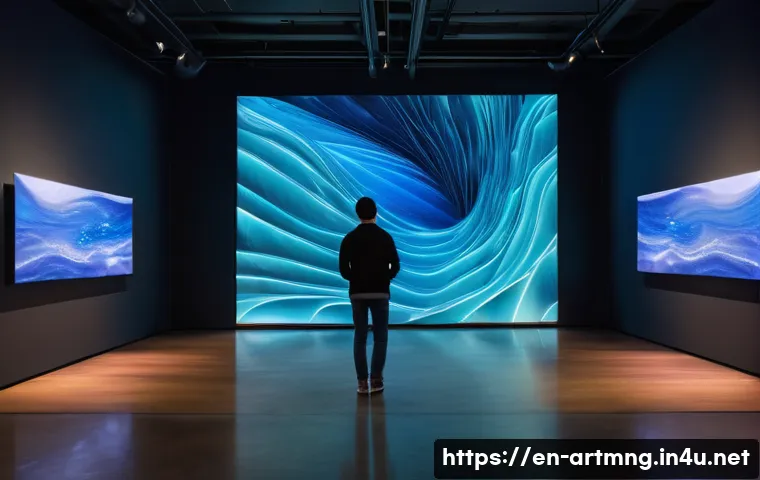
Imagine a sculpture floating serenely in zero-G, or a painting subtly shifting colors as you approach it. The level of engagement is just phenomenal, drawing you in far beyond what a static image ever could.
It’s like the art is breathing, living alongside you in this digital realm.
Interactive Art and Dynamic Experiences
What truly blows my mind about art in the metaverse is the shift from passive viewing to active participation. I’ve seen pieces where you can literally draw alongside the artist in real-time, or where the artwork reacts to your movements and gestures, becoming a unique, ephemeral creation with every interaction.
It’s like the traditional barrier between creator and audience dissolves, transforming viewers into co-creators. This dynamic nature means that every visit to a virtual exhibition can offer a fresh, unique experience, encouraging repeated engagement and fostering a deeper connection with the art itself.
It’s not just a picture on a wall anymore; it’s a living, breathing entity that evolves with you.
Unlocking Value: The NFT Revolution in Art Ownership
The conversation around NFTs and art can get a little wild, but from my perspective, they’ve introduced a seismic shift in how we perceive and assign value to digital creations.
Before NFTs, proving ownership or scarcity of a digital file was like trying to catch smoke. Now, with the power of blockchain, artists can tokenize their work, creating unique, verifiable digital assets that collectors can genuinely own.
I’ve personally seen independent artists, who once struggled to make ends meet, completely transform their careers by selling NFTs, reaching a global audience and commanding prices that reflect the true value of their talent.
It’s not just about a JPEG; it’s about a digital certificate of authenticity and a new paradigm for intellectual property in the digital age. This technology provides an immutable ledger that tracks ownership and transactions, offering unprecedented transparency and security in a market that desperately needed it.
The Power of Digital Scarcity and Provenance
One of the biggest hurdles for digital artists was the inherent reproducibility of their work. How do you sell an original when anyone can right-click and save?
NFTs solve this by creating verifiable scarcity. When you buy an NFT, you’re not just getting a digital file; you’re acquiring a unique token on the blockchain that proves your ownership of that specific, one-of-a-kind digital asset.
It’s like owning the signed original of a print that can be endlessly reproduced – the value lies in the authenticated original. This concept has given digital art a tangible value it rarely possessed before, allowing for a robust secondary market and providing artists with royalties on resales, which is a revolutionary concept for creators.
Connecting Artists and Collectors Globally
The global reach of the NFT marketplace is something I’m incredibly enthusiastic about. No longer are artists limited to local galleries or regional art fairs.
With platforms like OpenSea, Rarible, or SuperRare, an artist from anywhere in the world can showcase their work to a global audience of collectors. I’ve heard countless stories of artists discovering their niche audience halfway across the world, forging connections and building communities that transcend geographical boundaries.
This democratizes the art market in a way we’ve never seen, leveling the playing field and allowing talent to shine regardless of location or traditional gatekeepers.
It’s a truly empowering environment for creators.
Beyond the Brushstroke: AI as an Artistic Collaborator
Alright, let’s talk about AI in art, because this is where things get really fascinating and, sometimes, a little mind-bending! I’ve been experimenting with AI art tools myself, and honestly, the sheer creative potential is astounding.
It’s not about machines replacing human artists, but rather about AI becoming an incredible new tool, a collaborator in the creative process. Imagine feeding an AI your artistic vision, your sketches, your themes, and watching it generate entirely new compositions, styles, or even entire worlds that you could never have conceived on your own.
It’s like having a hyper-creative assistant that can instantly iterate on ideas, offering endless possibilities and pushing you to think in directions you never knew existed.
I find it less about relinquishing control and more about expanding my own creative horizon.
Generative Art and New Aesthetics
AI’s ability to create generative art is truly captivating. Algorithms can learn from vast datasets of existing art, then produce entirely new pieces that often possess a unique and compelling aesthetic.
We’re seeing everything from ethereal landscapes to abstract portraits that challenge our perceptions of beauty and originality. The beauty of it is that each output can be unique, a distinct piece born from a collaboration between human intent and algorithmic creativity.
It’s pushing the boundaries of what we consider “art” and opening up new conversations about authorship and artistic intent, which I find incredibly thought-provoking.
AI as a Creative Partner
What really excites me is the idea of AI not just as a tool, but as a genuine partner in the creative journey. Artists are using AI to generate starting points, to explore variations of a theme, or even to create interactive installations where the AI dynamically responds to audience input.
It’s a powerful engine for brainstorming and iteration, allowing artists to explore ideas at a speed and scale previously impossible. For instance, I recently saw an artist use AI to generate hundreds of unique patterns based on a single brushstroke, which they then incorporated into a larger digital mural.
This isn’t just about automation; it’s about augmentation, enhancing human creativity in ways we’re only just beginning to understand.
Curating the Virtual: Building Your Own Digital Art Empire
The idea of building your own art empire might sound daunting, but in the metaverse, it’s becoming more accessible than ever. I’ve seen individuals, not major institutions, launching their own stunning virtual galleries, showcasing curated collections of NFTs and digital masterpieces.
It’s not just for the established players anymore; anyone with a passion for art and a bit of tech savviness can become a curator, a gallerist, or even a patron in this new digital landscape.
The low barrier to entry for setting up a virtual space means that diverse voices and niche interests can finally find their platform, fostering a much richer and more inclusive art ecosystem.
It’s incredibly empowering to see creators taking control of their own exhibition spaces and narratives.
Designing Your Digital Gallery Space
Think about it: in the metaverse, you’re not limited by real-world physics or exorbitant rent. You can design a gallery that’s literally floating in space, submerged underwater, or tucked away in a fantastical forest.
The architecture itself becomes part of the artistic experience. I’ve seen creators use platforms like Decentraland, Spatial, or Cryptovoxels to build bespoke exhibition spaces that perfectly complement the art they display.
It’s an extension of their artistic vision, allowing them to create an entire mood and atmosphere around their collection, far beyond what’s possible in a physical building.
This creative freedom in design truly transforms the curation process into an art form itself.
Community and Collaboration in Digital Spaces
Beyond just showcasing art, virtual galleries are becoming incredible hubs for community building. I’ve attended countless virtual art talks, workshops, and even live painting sessions where artists and collectors from around the world gather, interact, and share their passion.
It’s not just about passive viewing; it’s about active participation and fostering genuine connections. Imagine meeting your favorite artist in their virtual studio, discussing their process, and maybe even collaborating on a piece!
This level of interaction is unparalleled and is cultivating a more engaged and connected art community than ever before. It’s where friendships are forged and creative ideas spark.
From Pixel to Profit: Monetization Strategies for Metaverse Artists
Let’s be real, while passion drives art, earning a living from it is crucial. The metaverse and NFTs have opened up an incredible array of monetization avenues that simply didn’t exist for digital artists before.
I’ve personally seen artists who were once struggling to gain recognition now selling their digital creations for significant sums, some even quitting their day jobs to pursue their art full-time.
It’s not just about selling individual pieces; there are so many creative ways to build a sustainable income stream in this new economy. It feels like the art market is finally catching up with the digital age, rewarding creators for their unique vision and technical prowess.
| Monetization Strategy | Description | Key Benefit for Artists |
|---|---|---|
| Direct NFT Sales | Selling unique digital artworks as NFTs on marketplaces like OpenSea, Rarible. | Direct revenue, verified ownership, global reach. |
| Royalty Payments | Earning a percentage (typically 5-10%) each time an NFT is resold on the secondary market. | Passive income stream, long-term value for original creators. |
| Virtual Exhibitions/Events | Hosting ticketed art shows, concerts, or interactive experiences within the metaverse. | Engagement, event-based revenue, community building. |
| Commissioned Digital Art | Creating custom digital pieces or avatars for collectors and brands. | Tailored income, client relationships, unique projects. |
| Merchandise & IP Licensing | Selling physical or digital merchandise based on NFT art, or licensing IP for other projects. | Brand extension, diversified revenue. |
Unlocking Recurring Revenue with Royalties
One of the most revolutionary aspects of NFTs for artists is the baked-in royalty system. This is something traditional artists have often fought for and rarely received.
With NFTs, artists can program a percentage of future sales directly into the smart contract. This means that every time their artwork is resold on a secondary market, they automatically receive a cut.
I’ve talked to artists who are now earning passive income from pieces they created years ago, which is an absolute game-changer for financial stability and long-term career planning.
It transforms a one-time sale into a perpetual income stream, truly valuing the ongoing contribution of the creator.
Diversifying Income through Virtual Experiences
Beyond just selling individual pieces, the metaverse offers incredible opportunities for artists to create immersive experiences that generate income.
Imagine hosting a ticketed virtual art festival in your own digital space, or leading an exclusive workshop where participants learn to create their own generative art.
I’ve seen artists collaborate with musicians for metaverse concerts where their visuals dynamically respond to the music, creating a truly unique and sellable experience.
These events not only generate revenue but also build a vibrant community around the artist’s work, increasing their visibility and fostering deeper connections with their audience.
Navigating the New Frontier: Challenges and Opportunities
Let’s not pretend it’s all sunshine and roses; venturing into the metaverse art world comes with its own set of challenges, just like any new frontier.
I’ve personally grappled with the steep learning curve of blockchain technology, the volatility of the crypto market, and the sheer effort it takes to cut through the noise.
However, for every challenge, there’s an equally compelling opportunity waiting to be seized. It’s about being adaptable, persistent, and genuinely curious.
The digital landscape evolves at lightning speed, so staying informed and willing to experiment is key. It can feel overwhelming at times, but the rewards for those who navigate it wisely are truly unparalleled.
Overcoming Technical Hurdles and Education Gaps
One of the biggest hurdles I’ve observed, and certainly experienced myself, is the technical complexity. For many traditional artists, diving into blockchain, crypto wallets, minting NFTs, and navigating virtual world platforms can feel like learning an entirely new language.
There’s a significant education gap, and honestly, the tools aren’t always the most user-friendly just yet. However, this challenge presents a massive opportunity for platforms and educators to simplify the process, offering accessible guides and intuitive interfaces.
As these tools become more mainstream, we’ll see an even greater explosion of artistic talent entering the space.
Market Volatility and Authenticity Concerns
The NFT art market can be incredibly volatile, influenced by broader crypto trends, hype cycles, and even speculative trading. This can be intimidating for artists and collectors alike, as values can fluctuate dramatically.
Furthermore, while NFTs offer provenance, concerns around copyright infringement, scams, and fraudulent listings still exist, requiring users to be vigilant and informed.
The opportunity here lies in developing more robust verification systems, clearer intellectual property guidelines, and fostering communities that prioritize ethical practices.
As the space matures, I believe we’ll see greater stability and stronger safeguards for creators and collectors.
The Human Touch in a Digital World: Community and Connection
Despite all the advanced technology and digital immersion, what truly makes the metaverse art scene vibrant, in my opinion, is the human element. It’s about the communities forming, the connections being made, and the shared passion for creativity that transcends geographical boundaries.
I’ve found some of the most inspiring and supportive groups of artists and collectors in these virtual spaces, people who genuinely champion each other’s work and foster a sense of belonging.
It reminds me that at its core, art is about human expression and connection, and the metaverse is simply providing a powerful new vehicle for that to happen.
It feels less like a sterile digital realm and more like a bustling global art hub.
Building Artistic Networks and Support Systems
One of the most valuable aspects of being involved in metaverse art is the opportunity to connect with fellow artists and patrons from every corner of the globe.
I’ve joined Discord servers and virtual meetups that are buzzing with creative energy, where artists share tips, offer feedback, and collaborate on projects.
This kind of global networking was incredibly difficult before, but now, you can instantly connect with someone whose artistic vision resonates with yours, regardless of their physical location.
These online communities become vital support systems, offering encouragement, inspiration, and practical advice in a rapidly evolving landscape.
Shared Experiences and Collective Creation
The metaverse isn’t just for displaying finished art; it’s becoming a powerful platform for collective creation and shared experiences. I’ve participated in events where multiple artists simultaneously contributed to a single digital mural, or where a piece of art evolves based on the collective input of an audience.
This collaborative spirit is truly exciting, breaking down the traditional solitary nature of art creation. It fosters a sense of shared ownership and appreciation, allowing participants to feel like they are truly part of something bigger than themselves, creating art together in ways that simply weren’t possible before.
Concluding Thoughts
So, there you have it – a whirlwind tour through the captivating world of immersive digital art, NFTs, and AI collaboration. It’s a space that’s constantly buzzing with innovation, and I’ve personally found immense joy in exploring its endless possibilities. For artists and enthusiasts alike, this digital frontier offers unprecedented freedom and connection. I truly believe we’re just scratching the surface of what’s possible, and I’m incredibly excited to see how these immersive realms continue to shape the future of creativity and ownership. Keep your eyes peeled and your digital canvases ready!
Useful Information to Keep in Mind
1. Dive In, But Do Your Homework First: Before you jump into buying NFTs or building your own virtual gallery, take the time to understand the basics of blockchain technology, crypto wallets, and the specific platforms you’re interested in. There are tons of free resources out there, and a little upfront research can save you a lot of headaches later on.
2. Community is King: The digital art space thrives on connection. Join Discord servers, follow artists and collectors on X (formerly Twitter), and participate in virtual events. These communities are not only great for learning and networking but also for finding support and inspiration from like-minded individuals.
3. Security is Paramount: Always be vigilant about scams and phishing attempts. Use strong, unique passwords, enable two-factor authentication on all your accounts, and never share your seed phrase with anyone. Your digital assets are only as secure as your practices.
4. Embrace Experimentation: Don’t be afraid to try new tools, platforms, or artistic approaches. The metaverse is a playground for creativity, and some of the most groundbreaking art comes from those willing to push boundaries and explore uncharted territory. Treat it as a continuous learning experience.
5. Think Long-Term, But Start Small: While the potential for profit is exciting, focus on building genuine connections and creating meaningful art. Start with smaller investments or projects to get a feel for the market before making significant commitments. Sustainable success often comes from passion and consistent effort, not just quick gains.
Key Takeaways
The digital art world, powered by the metaverse, NFTs, and AI, is fundamentally reshaping how we create, consume, and value art. I’ve personally witnessed how artists are now enjoying unparalleled creative freedom, breaking free from traditional constraints to build immersive experiences and dynamic pieces that engage audiences on a deeper level. NFTs have emerged as a game-changer for ownership and monetization, providing artists with verifiable scarcity for their digital works and revolutionary royalty streams that ensure long-term value for their creations. Moreover, AI isn’t replacing human creativity; instead, it’s acting as a powerful collaborator, pushing artistic boundaries and opening up entirely new aesthetic possibilities. For anyone looking to thrive in this new frontier, understanding the technology, engaging with supportive communities, and embracing continuous learning are absolutely crucial. This isn’t just a fleeting trend; it’s a foundational shift towards a more inclusive, interactive, and decentralized artistic future, promising endless opportunities for both creators and collectors who are willing to explore its vibrant depths.
Frequently Asked Questions (FAQ) 📖
Q: So, the metaverse sounds really exciting, but how is it actually transforming how artists create their work and put it out there for us to see?
A: Oh, let me tell you, it’s nothing short of revolutionary! From my perspective, the metaverse has completely shattered the traditional confines artists used to operate within.
Forget about a canvas or a physical gallery wall being your limit – now, artists are building entire worlds, creating immersive, interactive experiences that defy physics as we know it.
I’ve personally witnessed art pieces that aren’t just static images, but living, breathing environments you can literally walk through, touch, and even influence.
Imagine a sculpture that morphs and shifts based on real-time data or a painting that responds to your gaze! It’s like throwing out the old rulebook and handing artists a whole new set of tools to craft dynamic, evolving masterpieces.
Plus, the collaborative potential is mind-blowing. Artists from different continents can meet in a shared virtual studio, co-creating in ways that were previously impossible.
It’s truly a renaissance, allowing for forms of expression that go far beyond anything we could have dreamed of just a few years ago.
Q: NFTs are constantly mentioned when we talk about art in the metaverse. Can you break down what they are and why they’re such a game-changer for both artists and collectors?
A: You got it! NFTs, or Non-Fungible Tokens, are definitely a hot topic, and for a very good reason. In the simplest terms, think of an NFT as a unique digital certificate of ownership for a digital asset.
When you acquire an NFT of a piece of art in the metaverse, you’re not just getting a copy – you’re getting the verifiable original digital artwork, with its authenticity and ownership recorded on a secure blockchain.
This is absolutely huge! For artists, it means they finally have a way to prove scarcity and ownership of their digital creations, which historically could be copied endlessly.
It empowers them to monetize their work in unprecedented ways, selling unique pieces and even earning royalties every time their art is resold. I’ve seen countless artists find financial independence and creative freedom through this model.
For us collectors, it opens up an entirely new universe of investment and discovery, allowing us to own truly unique pieces that carry tangible value and a verified provenance.
It’s essentially reshaping the economics of art, making digital creations a legitimate and exciting asset class in their own right.
Q: Is all this metaverse art and NFT excitement just a fleeting trend, or do you genuinely believe it’s here to stay and will truly reshape the art world in the long run?
A: That’s a fantastic question, and one I get asked constantly! From my perspective, and having watched this space evolve so rapidly, I can confidently say this is far more than just a fleeting trend.
This is a foundational shift, truly reshaping how we think about creativity, ownership, and engagement with art. While every new technology generates its fair share of hype and skepticism, the metaverse and NFTs are tapping into a fundamental human desire for connection, expression, and innovation in our increasingly digital lives.
The sheer accessibility alone is transformative; suddenly, anyone, anywhere, can explore virtual galleries or showcase their own work to a global audience.
The economic models, particularly through NFTs, are providing sustainable career paths for artists that were simply unimaginable before. I’ve witnessed firsthand how creators are building thriving communities and livelihoods in this new landscape.
It’s not just about novelty; it’s about democratizing art, fostering unparalleled global collaboration, and birthing entirely new forms of cultural expression that resonate deeply with a digitally native generation.
It’s certainly still evolving, and there will be twists and turns, but the core infrastructure is solidifying, communities are flourishing, and the creative potential is absolutely limitless.
I am genuinely thrilled for the long-term impact this will have!