The art market is truly a fascinating beast, always evolving and throwing new surprises our way. I’ve been keeping a close eye on it, and let me tell you, things are shifting rapidly!
It’s not just about what hangs in galleries anymore; the entire landscape is being redefined by exciting new forces. I’ve personally seen a huge surge in interest from a new generation of collectors, many of whom are looking beyond traditional canvases and into the digital realm, or valuing art that tells a story of social and environmental consciousness.
Economic shifts, technological breakthroughs, and a global demand for transparency are fundamentally reshaping how we buy, sell, and even appreciate art.
What was once seen as a niche, exclusive world is slowly but surely becoming more accessible, vibrant, and unpredictable. From AI-generated masterpieces challenging our notions of creativity to sustainable practices becoming a non-negotiable for many, there’s just so much happening right now.
It really makes you wonder what’s next, doesn’t it? I’m here to help you make sense of it all. Let’s accurately explore the cutting-edge trends that are setting the pace for the art market’s exciting future.
The Digital Canvas: NFTs and Beyond
The art market, as I’ve always known it, is getting a serious digital makeover, and honestly, it’s thrilling to watch! It feels like just yesterday we were all scratching our heads over Bitcoin, and now, non-fungible tokens, or NFTs, are not just a niche; they’re a legitimate, albeit sometimes wild, part of the art world.
I remember when I first heard about a digital image selling for millions – my initial thought was, “Wait, what?” But as I dove deeper, experimenting with platforms and talking to creators, I realized it’s so much more than just a JPEG.
It’s about ownership, provenance, and a direct connection between artist and collector that traditional galleries often struggle to facilitate. I’ve seen artists who were once overlooked suddenly find a global audience and financial independence, all thanks to the blockchain.
It’s truly democratizing, opening doors that were once firmly shut, and it’s exhilarating to witness this new wave of creative expression and financial liberation.
The digital realm isn’t just an extension; it’s a parallel universe for art that’s expanding at an incredible pace, and it’s forcing us all to rethink what ‘art’ even means.
Understanding the Hype Around Non-Fungible Tokens
Let’s be real, the initial surge of NFTs felt a bit like the Wild West, with astronomical prices for seemingly simple digital files. But beneath the headlines and speculative frenzy, there’s a powerful shift happening.
What I personally find most compelling about NFTs is their ability to establish verifiable ownership of unique digital assets. Think about it: for centuries, physical art had a clear chain of custody.
Digital art, however, could be copied infinitely. NFTs solved that. When I bought my first piece of generative art as an NFT, the thrill wasn’t just in the artwork itself, but in knowing I held the singular, authenticated version of that digital creation.
It felt like stepping into the future of collecting. This technology validates digital artistry in a way never before possible, fostering a sense of community and direct support for artists that warms my heart.
It’s still evolving, with challenges like market volatility and environmental concerns, but the core idea of digital scarcity and authenticated ownership is here to stay, reshaping how we value and interact with art in the online space.
The Metaverse and Immersive Art Experiences
Beyond individual NFTs, the concept of the metaverse is really blowing my mind when it comes to art. Imagine walking through a sprawling virtual gallery, not just viewing static images, but stepping *inside* an artist’s vision, interacting with sculptures that defy gravity, or witnessing performance art happening live across continents.
I’ve personally experimented with a few early metaverse platforms, and while they’re still in their nascent stages, the potential for immersive art experiences is absolutely astounding.
Artists are already creating entire virtual worlds, pushing the boundaries of what’s possible, free from the constraints of physical space or materials.
It’s like having an infinite canvas where imagination truly has no limits. For me, it offers a fresh perspective on how we experience art – it moves from being purely observational to something deeply interactive and participatory.
This isn’t just about looking at art; it’s about being *within* it, and that distinction is a game-changer for engagement and the way art can impact us emotionally.
Art with a Conscience: The Rise of Sustainability
It’s no secret that consumers, myself included, are increasingly conscious of their environmental footprint, and the art market is definitely catching up.
I’ve noticed a significant shift, especially among younger collectors, towards valuing art that aligns with their ethical principles. It’s not enough for a piece to be beautiful or thought-provoking; many of us are now asking, “How was it made?
What materials were used? Does it support sustainable practices?” This push for sustainability is creating an incredible space for innovation among artists who are experimenting with eco-friendly materials, upcycling, and art that directly addresses environmental issues.
When I recently visited a gallery showcasing works made from recycled plastics and natural dyes, I was genuinely moved. It felt like the art itself was a statement, a tangible representation of a commitment to a better future.
This isn’t just a fleeting trend; it’s a profound re-evaluation of art’s role in a world grappling with climate change, and it makes me feel optimistic about the positive influence art can wield.
Eco-Conscious Creators and Materials
Artists are truly at the forefront of this movement, and it’s inspiring to see their dedication. I’ve met sculptors who forage for natural, biodegradable materials, painters who concoct their own pigments from plants, and installation artists who utilize waste products to create stunning, impactful works.
The conversation around an artwork now often extends beyond its aesthetic qualities to its origin story and its impact on the planet. For me, personally, discovering an artist who is not only incredibly talented but also deeply committed to sustainable practices adds another layer of appreciation to their work.
It tells me they’re thinking critically about every aspect of their creation, from conception to execution. This isn’t just about being “green” for the sake of it; it’s about integrating environmental responsibility into the very fabric of their artistic process, leading to innovative techniques and materials that challenge our preconceived notions of what art supplies should be.
Collectors Demanding Transparency and Ethical Sourcing
As a collector, I’ve definitely felt the shift in what I look for. I’m not alone in wanting to know the story behind a piece – not just the artist’s inspiration, but also the journey of its materials.
We’re asking tougher questions about supply chains, labor practices, and whether the creation of an artwork has any negative societal or environmental repercussions.
I’ve noticed galleries are responding by providing more detailed provenance information, not just for the artist, but for the materials themselves. This demand for transparency is fostering a more accountable art market, which I think is a fantastic development.
It empowers collectors to make informed decisions that resonate with their values. It’s about more than just buying a beautiful object; it’s about making a conscious choice to support artists and institutions that uphold ethical standards, making our collections not just aesthetically pleasing, but morally sound too.
Beyond the Gallery Walls: Experiential and Public Art
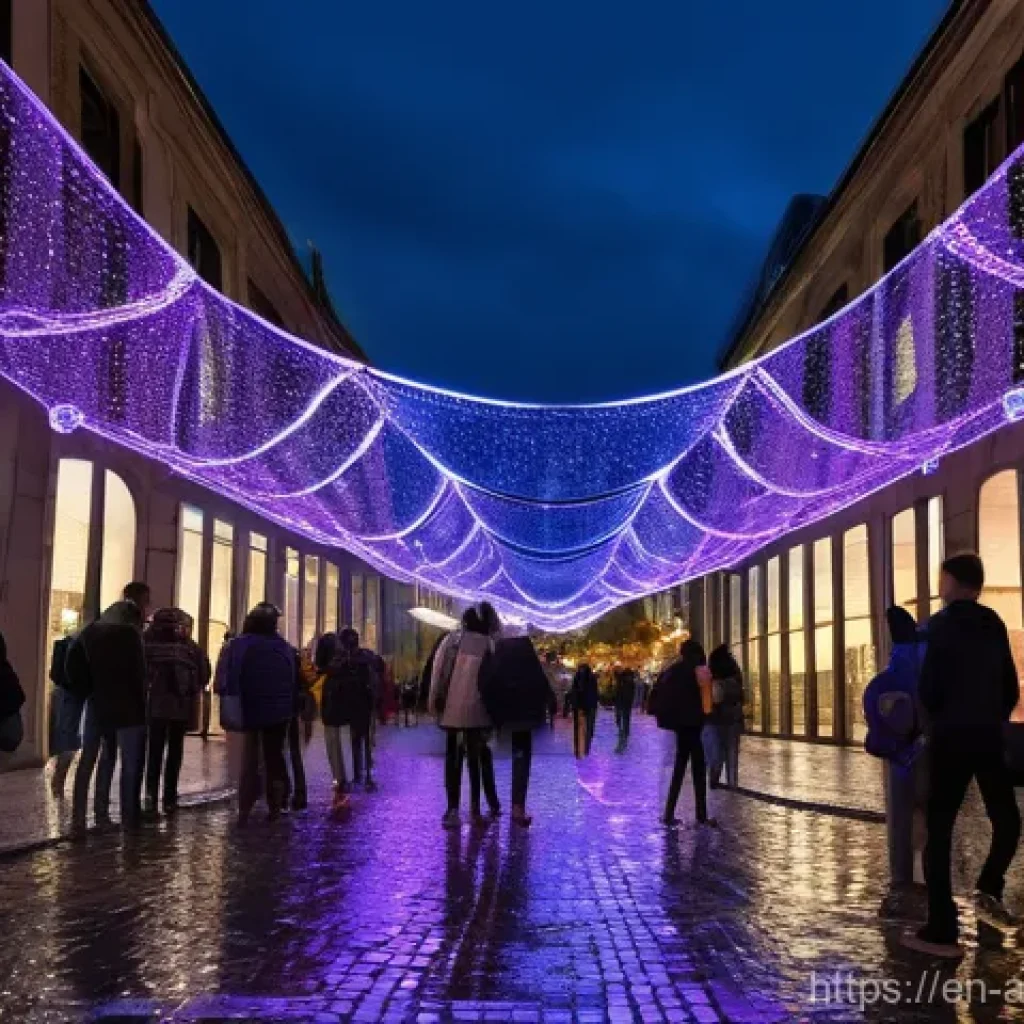
The idea that art must be confined to a pristine white gallery space feels increasingly outdated to me. What I’m absolutely loving is the explosion of experiential and public art that’s popping up everywhere, from city squares to abandoned industrial spaces.
It’s transforming how we interact with art, making it less about quiet contemplation and more about immersive engagement. I’ve had some of my most memorable art experiences standing amidst a massive, interactive installation in a park, or witnessing a performance piece that invited me to become a part of the artwork itself.
It breaks down barriers, making art accessible to everyone, not just those who feel comfortable stepping into a traditional gallery. This movement is vibrant and dynamic, reflecting the energy of urban life and inviting spontaneous encounters with creativity, which I find incredibly refreshing and vital for cultural enrichment.
Immersive Installations and Interactive Exhibitions
The rise of immersive installations has completely changed my perspective on what an art exhibition can be. Gone are the days of passively observing; now, it’s about stepping into a world created by the artist.
I recall one particular exhibition where I walked through a labyrinth of light and sound, and it wasn’t just visually stunning, it was a truly visceral experience that engaged all my senses.
It felt less like viewing art and more like living inside it, even if just for a moment. These kinds of interactive shows, often leveraging new technologies like projection mapping and augmented reality, are creating memorable moments that transcend traditional art forms.
For someone like me, who appreciates a deep connection with art, this active participation makes the experience so much richer and more personal. It’s an exciting evolution that promises to draw in new audiences who might find conventional gallery visits less appealing.
Art as a Community Builder and Urban Catalyst
Public art, in particular, holds a special place in my heart because it has this incredible power to transform spaces and bring people together. I’ve seen derelict walls transformed into vibrant murals that tell stories of a community’s history, and forgotten plazas revitalized by bold sculptures that invite interaction.
This kind of art isn’t just decoration; it’s a catalyst for conversation, a point of pride for residents, and a way to make urban environments more human and engaging.
When I see families picnicking near a striking public sculpture, or commuters pausing to admire a new street art piece, it reminds me of art’s fundamental role in enriching our daily lives.
It becomes part of the city’s fabric, accessible to everyone, sparking joy and inspiring thought without requiring an admission ticket. It’s truly a beautiful thing to witness art actively shaping the communal experience.
Democratizing Creativity: Access for All
One of the most exciting shifts I’ve observed in the art market is its gradual but undeniable move towards greater accessibility. The old guard of exclusivity is slowly giving way to a more open, inclusive approach, and frankly, it’s about time!
I’ve always believed that art should be for everyone, not just a select few. The internet has been a massive equalizer here, tearing down geographical and socio-economic barriers that once dictated who could see, buy, and even make art.
It’s thrilling to see emerging artists from all corners of the globe finding their voice and connecting directly with collectors, bypassing the traditional gatekeepers.
This democratization is fostering a much richer, more diverse art scene, reflecting a broader range of perspectives and experiences, which I personally find incredibly enriching.
Online Platforms Breaking Down Barriers
Remember when buying art meant visiting galleries, often intimidating spaces that felt reserved for the elite? Well, those days are increasingly behind us, thanks to the explosion of online platforms.
I’ve personally spent countless hours browsing digital marketplaces, discovering incredible artists I never would have encountered otherwise. These platforms, ranging from established auction houses’ online portals to indie artist showcases, have made art truly global.
It’s not just about viewing; it’s about purchasing too. I’ve bought pieces from artists living thousands of miles away, all with a few clicks, and it feels incredibly empowering.
This digital accessibility means that aspiring collectors, regardless of their budget or location, can now engage with the art market, making the dream of owning original art a tangible reality for so many more people.
The Power of Social Media in Art Discovery
Social media has become an unexpected but hugely powerful tool in the art world. For me, it’s often the first place I discover new talent. Platforms like Instagram, TikTok, and even YouTube have become virtual galleries where artists can showcase their work directly to millions, build a following, and even sell their pieces without needing gallery representation.
I’ve seen countless artists rocket to prominence purely through their engaging online presence, sharing their process, their inspiration, and their finished works.
This direct connection fosters a sense of authenticity and intimacy that traditional channels often lack. It feels like a genuine community, where artists and admirers can interact directly, fostering a new kind of patronage.
It’s truly revolutionized how art is discovered and consumed, putting the power firmly in the hands of creators and enthusiasts alike.
AI and the Creative Process: A New Frontier
This particular trend really makes me scratch my head and then immediately dive in with fascination. Artificial intelligence creating art? It sounds like something out of a sci-fi movie, but it’s happening, and it’s rapidly evolving.
When I first saw AI-generated artworks, my immediate reaction was a mix of awe and a tiny bit of apprehension – is this going to replace human creativity?
But as I’ve explored it more, I’ve come to see AI less as a competitor and more as an entirely new tool, a powerful collaborator for artists. It’s pushing the boundaries of what we consider “art” and challenging our very definitions of authorship and genius.
It’s an exciting, slightly dizzying, and undeniably important development that we absolutely need to keep our eyes on.
Algorithms as Artistic Collaborators
The way I see it, AI isn’t just randomly spitting out images; it’s being used by artists as an extension of their own creative vision. I’ve spoken with artists who use AI to generate novel patterns, textures, or even entirely new visual styles that they then integrate into their human-made pieces.
It’s like having an impossibly brilliant apprentice who can explore millions of permutations in seconds. This isn’t about AI replacing the artist’s hand, but about augmenting their capabilities and sparking entirely new avenues of exploration.
It makes me think about how photography changed art; it didn’t eliminate painting, it just pushed painters to explore new forms of expression. AI is doing something similar, inspiring artists to ask deeper questions about originality, data, and the nature of beauty itself.
It’s a truly mind-bending partnership that’s giving birth to art forms we couldn’t have imagined a decade ago.
Navigating Copyright and Authenticity in AI Art
Of course, with any groundbreaking technology, there are always some tricky questions that pop up, and AI art is no exception. Issues around copyright are particularly complex.
If an AI generates an artwork, who truly owns it? The programmer? The artist who prompted it?
The AI itself? And what about the data sets used to train these AIs – are artists’ works being used without their consent to teach these systems? These are super important questions that the art world, and frankly, the legal world, are grappling with right now.
I believe we need clear frameworks to ensure fairness and protect creators, both human and algorithmic, as this field develops. It’s a wild west, but one that needs careful mapping so that the immense creative potential of AI art can flourish responsibly.
Shifting Sands: New Global Art Hubs Emerge
For what feels like forever, the art world has revolved around a handful of cities – New York, London, Paris. And while those titans certainly aren’t going anywhere, what I’ve been observing with growing excitement is the rise of new, dynamic art hubs around the globe.
It’s like the art world map is being redrawn, and new colors are emerging in unexpected places. This decentralization is fantastic because it brings fresh perspectives, diverse cultural narratives, and entirely new collector bases to the forefront.
It’s creating a truly polycentric art market, where innovation and influence can come from anywhere, making the whole scene much more vibrant and reflective of our interconnected world.
The Ascendancy of Asian and Middle Eastern Markets
If you’ve been following the global art market at all, you’ve probably noticed the incredible energy coming from places like Hong Kong, Seoul, and Dubai.
I mean, it’s undeniable! These cities aren’t just buying art; they’re cultivating thriving local scenes, establishing world-class museums, and hosting major art fairs that attract international attention.
When I look at the incredible growth in these regions, it’s clear that there’s a huge appetite for art, both local and international, and a strong commitment to cultural development.
This shift is incredibly important because it’s bringing new artists, collectors, and curatorial voices to the global stage, challenging the traditional Western-centric view of art history and influence.
It feels like a truly global conversation is finally taking place, and it’s about time!
Local Scenes Gaining International Recognition
It’s not just the big Asian and Middle Eastern centers; I’m also seeing smaller, more localized art scenes from all corners of the world starting to get the international recognition they deserve.
Think about how artists from emerging economies are increasingly featured in major international exhibitions, or how niche art forms are finding global audiences through online platforms.
This is a testament to the power of authentic expression and the diminishing geographical barriers in the digital age. I love discovering artists from places I might never have considered before, realizing that incredible creativity thrives everywhere.
This trend really emphasizes that talent and innovation aren’t confined to specific postcodes, and it makes the entire art world a much more exciting and diverse place to explore.
Investing in Impact: Art as a Driver for Change
Beyond aesthetics and financial value, there’s a powerful and growing trend where art is being viewed not just as an object to admire or an asset to hold, but as a genuine force for positive change in the world.
This idea of “impact investing” in art really resonates with me. It’s about collecting pieces that not only speak to you aesthetically but also contribute to a cause, raise awareness about critical issues, or support marginalized communities.
I’ve personally found myself drawn to artists whose work tackles social justice, environmental advocacy, or mental health awareness. It adds an entirely new dimension to collecting – transforming it from a purely personal pursuit into an act of conscious engagement and contribution.
Philanthropic Collecting and Social Causes
I’ve seen a wonderful surge in philanthropic collecting, where individuals and institutions are acquiring art with an explicit intention to support social causes.
This can manifest in various ways, from buying works where a portion of the proceeds goes to charity, to commissioning pieces that highlight specific issues, or even establishing foundations that use art to foster dialogue and education.
For me, personally, knowing that my purchase can contribute to a meaningful cause makes the entire experience so much more rewarding. It’s about leveraging the power of art to make a tangible difference, transforming it from a luxury item into a tool for advocacy and support.
It’s a beautiful intersection of passion and purpose, demonstrating how art can truly serve a higher calling.
Art for Mental Well-being and Healing
This is an area that I find incredibly compelling and deeply personal. The therapeutic power of art, both in creation and appreciation, is finally gaining widespread recognition.
We’re seeing more initiatives, from art therapy programs to public installations designed to foster contemplation and peace, that emphasize art’s role in mental well-being and healing.
I’ve often turned to art myself during challenging times, finding solace and a sense of perspective in its beauty and expressive power. Collecting art that evokes feelings of calm, joy, or introspection can genuinely enhance one’s home environment and personal state of mind.
It’s a beautiful realization that art isn’t just for decoration or investment; it’s a vital component of human flourishing, offering comfort, inspiring resilience, and contributing to our overall mental health.
| Trend Category | Impact on Artists | Impact on Collectors | Market Opportunity |
|---|---|---|---|
| Digital Art & NFTs | New revenue streams, global audience, direct sales | Verifiable ownership of unique digital assets, direct artist support | High growth in digital collectibles, metaverse art |
| Sustainability in Art | Innovation with eco-friendly materials, ethical production | Ethical collecting, support for conscious creators | Growing demand for environmentally responsible art |
| Experiential & Public Art | Expanded creative formats, community engagement | Immersive experiences, accessible art viewing | Growth in art tourism, urban cultural development |
| Art Market Democratization | Increased visibility, reduced gatekeepers, diverse representation | Broader access to art, diverse price points, new discoveries | Online platforms, social media art sales, emerging artist markets |
| AI in Art | New creative tools, conceptual exploration, co-creation | Challenging notions of authorship, innovative art forms | Emerging niche for AI-generated and AI-assisted art |
| Global Art Hubs | New exhibition opportunities, cross-cultural collaborations | Diverse collections, exposure to global narratives | Investment in Asian & Middle Eastern markets, local scene development |
Wrapping Things Up
And there you have it, folks – a whirlwind tour through the exhilarating, ever-changing landscape of the art world! It’s been an absolute joy sharing these insights and discoveries with you, just as I’ve experienced them. From the digital frontiers of NFTs and AI-powered creativity to the heartwarming embrace of sustainable practices and public art, it’s clear that art is more dynamic, accessible, and impactful than ever before. This journey isn’t just about admiring beauty; it’s about engaging with culture, supporting incredible talent, and seeing the world through new eyes. Keep exploring, keep questioning, and most importantly, keep letting art enrich your life!
Good-to-Know Information
Here are a few quick tips and insights I’ve picked up that might come in handy as you navigate this vibrant art scene:
1. Dive into Digital: Don’t be afraid to explore online galleries and NFT marketplaces. Many emerging artists find their footing here, offering unique pieces at accessible price points. It’s a fantastic way to discover fresh talent and potentially acquire something truly groundbreaking before it becomes mainstream. I’ve found some of my favorite works simply by spending an afternoon scrolling through platforms like Foundation or OpenSea, and the direct connection with artists is incredibly rewarding.
2. Think Sustainably: When considering a new acquisition, take a moment to learn about the artist’s materials and practices. Many contemporary artists are deeply committed to eco-friendly methods and ethical sourcing. Supporting them not only brings a beautiful piece into your life but also aligns with a conscious effort to protect our planet. It’s a trend that’s here to stay, and for good reason!
3. Engage with Public Art: Keep an eye out for public art installations and community art projects in your local area or when you travel. These experiences are often free, incredibly immersive, and foster a sense of connection within urban environments. They offer a unique opportunity to interact with art outside of traditional settings, often sparking unexpected conversations and moments of reflection that truly resonate.
4. Follow Artists on Social Media: Platforms like Instagram and TikTok are goldmines for art discovery. Many artists share their creative process, studio insights, and new works directly with their followers. This direct engagement allows you to understand their vision more intimately and can even lead to early access for new releases or commissions. It’s like having a backstage pass to the creative world!
5. Consider Art as an Experience: Beyond just collecting, think about how art can enrich your experiences. Whether it’s visiting an immersive exhibition, attending an art fair in a new city, or even trying your hand at a creative workshop, these interactions can offer profound personal growth and a deeper appreciation for the artistic journey. I always come away from these experiences feeling refreshed and inspired.
Key Takeaways
Reflecting on these shifts, it’s clear that the art market is in an exhilarating period of transformation, moving far beyond its traditional boundaries. What I’ve seen, and what truly excites me, is a pervasive drive towards greater inclusivity and innovation. The digital realm, spearheaded by NFTs and the burgeoning metaverse, has not just introduced new mediums but has fundamentally rewired how ownership, provenance, and artist-collector relationships function, fostering a sense of direct engagement that was once unimaginable. Furthermore, the growing consciousness around sustainability and ethical practices is reshaping artistic creation and collection, prompting us all to consider the broader impact of the art we create and consume. Public and experiential art is breaking down barriers, making art accessible and interactive for broader audiences, fostering community and urban revitalization. And perhaps most profoundly, the emergence of AI as a creative partner, coupled with the decentralization of global art hubs, is challenging our very definitions of authorship and value. Ultimately, the art world is evolving into a more diverse, dynamic, and purposeful ecosystem, truly democratizing creativity and inviting everyone to participate in its unfolding story.
Frequently Asked Questions (FAQ) 📖
Q: How are the new generation of art collectors – specifically Millennials and Gen Z – truly shaking up the established art market?
A: Oh, this is such a great question, and one I get asked a lot! From what I’ve personally observed and the latest reports confirm, Millennials and Gen Z are absolutely revolutionizing the art market, not just by buying art, but by completely redefining why and how they collect.
They’re not just looking for a prestigious investment or a “blue-chip” name; they’re driven by deeply personal values and a desire for connection. For starters, accessibility is huge for them.
They’re skipping the traditional gatekeepers – think stuffy galleries and exclusive auction houses – and heading straight to online platforms like Instagram, TikTok, Artsy, and even direct messages to artists.
This shift to digital has really democratized access, opening doors for more diverse voices on both sides of the market. I’ve noticed a significant jump in younger collectors, particularly Gen Z, making purchases online; one report even shows Gen Z driving an 82% online purchasing rate!
But it’s not just about where they buy; it’s about what they buy and why. This generation is values-driven. They care about supporting emerging artists, underrepresented voices, and art that reflects social issues, cultural identity, or personal expression.
They want to be part of an artist’s journey, follow their story, and feel an emotional resonance with the pieces they acquire. It’s less about conquest and more about connection, a dynamic I find incredibly refreshing.
They’re also much more open to diversifying their collections with digital art, NFTs, installations, and multimedia pieces, expanding what we even consider “collectible.” While some reports show a recent “spending correction” for Millennials, it actually points to a maturation: they’re making fewer, more considered purchases, focusing on long-term value over speculative gains, and doing much more research.
This tells me they’re becoming savvier and more intentional, which is fantastic for the market’s long-term health.
Q: With all this talk about “technological breakthroughs,” how exactly is
A: I influencing the creation, valuation, and even the buying and selling of art right now? A2: Technology, especially AI, is absolutely a game-changer, and honestly, it’s mind-blowing to witness firsthand!
It’s not just a futuristic concept anymore; AI is actively reshaping every facet of the art world, from the moment an artwork is conceived to how it finds a home with a collector.
On the creative side, we’re seeing AI tools acting as collaborators, helping artists generate new ideas, enhance compositions, and even automate some of the more tedious tasks, freeing them up to focus on their unique vision.
AI-generated art is challenging our traditional notions of creativity, pushing boundaries and leading to entirely new forms of multimedia art. I’ve seen artists use platforms like DALL-E or MidJourney to explore stunning visuals they might never have imagined otherwise.
But AI’s impact goes far beyond creation. For collectors, it’s transforming how we understand and interact with the market. AI algorithms can analyze millions of auction records, market trends, and even social media sentiment in seconds, providing real-time valuations that are more accurate than ever before.
This transparency is incredibly empowering, especially for new collectors who might find the art market a bit opaque. Personally, I think this is a huge step forward for building trust.
AI-powered platforms are also democratizing access by offering personalized recommendations, much like your favorite streaming service. This makes discovering new artists and pieces incredibly accessible, helping emerging collectors navigate what can be an intimidating world.
Plus, when combined with blockchain, AI is enhancing transparency and trust by securely authenticating digital artworks and verifying provenance, helping to combat fraud.
The overall impact is projected to be massive, with the global AI in Art Market expected to grow exponentially in the coming decade.
Q: Beyond digital art and
A: I, what other significant trends, particularly around sustainability and transparency, should we be watching closely in the contemporary art market? A3: That’s a fantastic question, because while digital and AI are grabbing headlines, there are deeply important ethical and practical shifts happening too!
From my perspective, sustainability and transparency are quickly becoming non-negotiables for a growing segment of the art market, echoing a broader cultural consciousness.
I’ve observed a strong movement towards ethical art, where every piece carries a story of mindful creation. This means considering the environmental impact, ensuring fair wages for artists, and benefiting the community.
Collectors, particularly the younger ones, are increasingly influenced by ethical considerations when buying art, with many actively seeking out artists who use eco-friendly materials or adopt low-impact studio practices.
We’re talking about things like recycled paper, non-toxic pigments, sustainably harvested wood, and even biodegradable materials. It’s truly inspiring to see artists incorporating upcycled or repurposed materials into their works, and galleries adopting energy-efficient lighting and sustainable exhibition practices.
Beyond materials, it extends to the entire art supply chain. People want transparency: knowing where the materials come from, how the art was produced, and that everyone involved was compensated fairly.
This push for ethical sourcing and transparent production practices is reducing the art market’s carbon footprint, from art transportation to storage, and ensuring cultural sensitivity.
It’s about aligning our passion for art with our responsibility to the planet and its people. This isn’t just good for the environment; it’s also a commercial imperative, as consumers increasingly prefer to buy from businesses with strong ethical and sustainable practices.
It really feels like the art world is waking up, and I’m excited to see how these values continue to shape its future.