Hey fellow art lovers and aspiring cultural leaders! Ever wondered what it truly takes to bring incredible artistic visions to life in today’s fast-paced world?
It’s not just about the art itself; it’s about the intricate dance behind the scenes: art administration. From navigating the exciting, yet sometimes daunting, digital transformation with virtual exhibitions and engaging online platforms to mastering the art of audience development (think TikTok, not just ticket booths!), the landscape is constantly evolving.
I’ve seen firsthand how crucial it is to stay ahead of these trends, especially when it comes to fostering authentic community connections and embracing diversity, equity, and inclusion within our institutions.
And let’s not forget the ever-present challenge of securing sustainable funding while ensuring our teams are supported and thriving. The future of art administration is dynamic, demanding adaptability, creativity, and a knack for leveraging technology like AI for personalized patron experiences.
It’s a field brimming with both challenges and incredible opportunities for those ready to shape the cultural experiences of tomorrow. You know, there’s something incredibly rewarding about being part of the engine that powers the arts.
When I first stepped into the world of art administration, I quickly realized it’s far more than just managing schedules; it’s about strategically shaping experiences, connecting communities, and adapting to a rapidly changing digital landscape.
Today, with everything from AI-driven audience engagement to ensuring sustainable practices, the role of an arts administrator is more vital and complex than ever before.
It’s a journey of passion, problem-solving, and a deep commitment to culture. If you’re curious about the real-world ins and outs of this dynamic field, you’ve come to the right place.
Let’s dive in and truly unpack what it means to practice art administration effectively in our modern era.
Navigating the Digital Frontier: Virtualizing Our Artistic Worlds
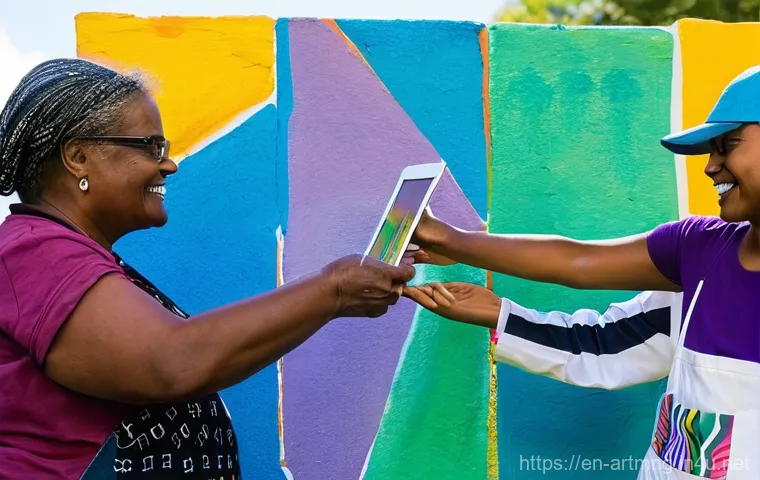
It’s truly incredible to see how much the digital landscape has transformed the arts, isn’t it? Just a few years ago, the idea of a fully immersive virtual exhibition felt like something out of a sci-fi movie, but now, it’s a powerful reality.
I remember when we first started exploring online platforms, there was this nervous energy, a fear that we might lose the magic of a physical encounter with art.
But what I’ve discovered, and what I believe wholeheartedly, is that digital tools don’t replace the physical experience; they amplify it, making art accessible to so many more people around the globe.
This isn’t just about putting images online; it’s about crafting entirely new experiences, from interactive virtual tours to engaging online workshops, that can reach audiences who might never step foot in a gallery.
It’s a game-changer, opening up a world of possibilities for engagement and reach that we could only dream of before. Honestly, embracing this digital transformation isn’t just an option anymore; it’s absolutely essential for any arts organization looking to thrive and stay relevant in today’s interconnected world.
Crafting Immersive Virtual Exhibitions and Experiences
When we talk about virtual exhibitions, it’s not just about uploading a few high-resolution images to a website and calling it a day. From my own experience, the real magic happens when you think about the user journey and how to make it truly immersive.
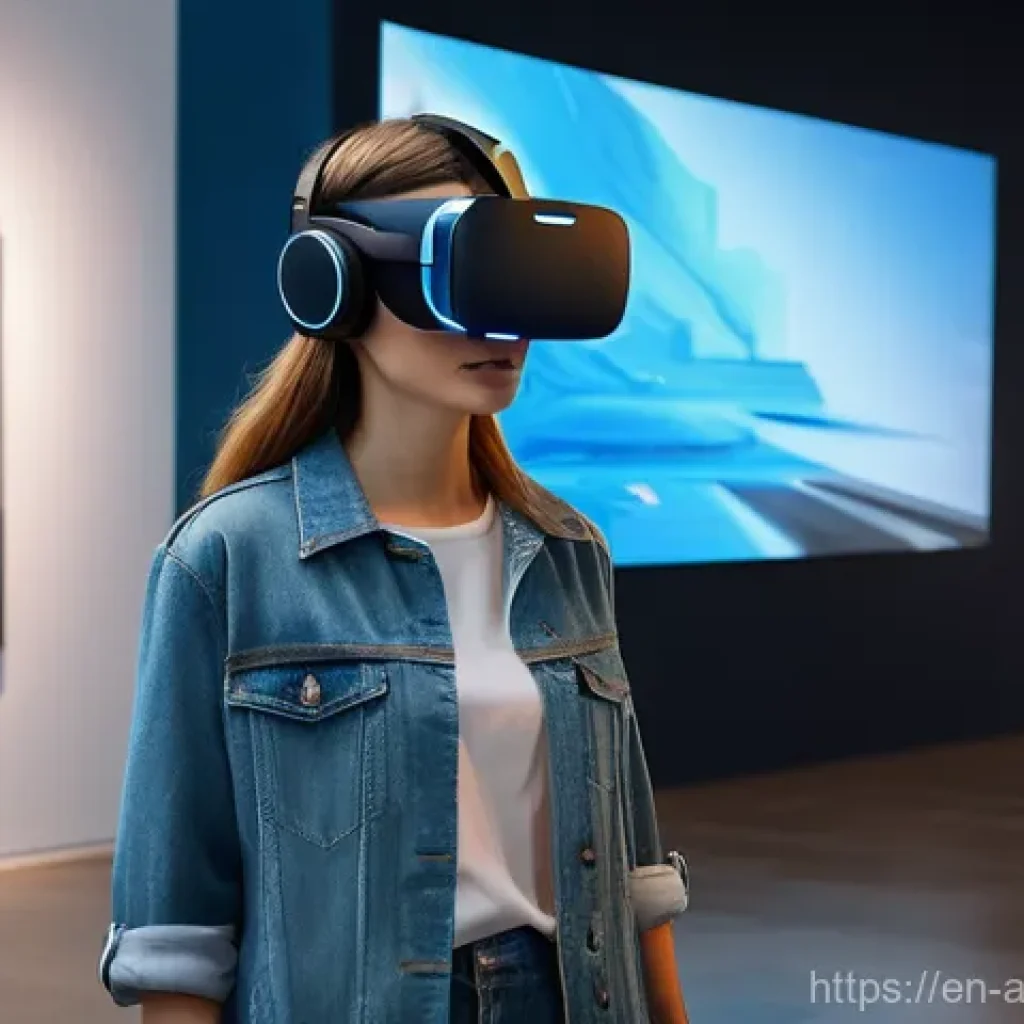
We’ve experimented with 3D renderings of gallery spaces, allowing visitors to “walk through” an exhibition from their living room. What truly resonated with our audience were the added layers – audio commentary from the artists themselves, interactive elements that allowed them to zoom in on brushstrokes, or even virtual reality components that transported them into the artist’s studio.
It’s about storytelling in a new medium, using technology to deepen appreciation and understanding. The goal is always to replicate, and sometimes even enhance, the feeling of discovery you get when you’re physically in a gallery.
It’s been a journey of trial and error, but seeing the joy and engagement from people in different time zones has been incredibly rewarding.
Leveraging Social Media for Broader Engagement
You know, it’s wild how powerful social media has become for building an audience. It’s not just for sharing casual updates anymore; for arts administrators, platforms like Instagram, TikTok, and even LinkedIn have become vital tools for cultivating genuine community.
I’ve personally found that short-form video content, especially behind-the-scenes glimpses into our creative process or quick artist interviews, can generate incredible buzz and humanize our institutions.
It’s about being authentic and meeting people where they are. We’ve seen firsthand how a well-crafted TikTok explaining the history behind a particular art movement can go viral, bringing a whole new generation of art lovers through our virtual, and eventually physical, doors.
It’s less about traditional advertising and more about building relationships and sharing our passion in an accessible, relatable way. This kind of organic engagement is priceless, fostering a sense of belonging among our followers.
Cultivating Deep Connections: The Art of Audience Development
In the realm of art administration, it’s easy to get caught up in the numbers – ticket sales, visitor counts, grant applications. But what truly fuels my passion and, frankly, what makes an arts organization truly flourish, is the human element: connecting with people.
Audience development today isn’t just about putting up posters or sending out press releases; it’s about building genuine relationships, understanding what truly resonates with diverse communities, and making sure everyone feels welcome and represented.
I’ve always believed that art is for everyone, and our job as administrators is to break down any barriers that might prevent someone from experiencing its transformative power.
It’s a continuous, evolving conversation, and one that requires us to be truly present and listen.
Personalizing Patron Experiences with Data
It might sound a bit technical, but trust me, understanding our audience through data has been a game-changer. I’m not talking about dry spreadsheets, but rather using insights to personalize experiences in a way that feels genuinely thoughtful.
For example, if we know a patron frequently attends our jazz concerts, we can offer them tailored information about upcoming jazz events, perhaps even an exclusive pre-sale or a chance to meet the musicians.
It’s about moving beyond generic newsletters and creating a sense of being seen and understood. We’ve experimented with AI tools to analyze past attendance and engagement patterns, which helps us predict what kind of programming might appeal most to different segments of our audience.
This level of personalization, when done right, makes people feel valued, transforming them from occasional attendees into loyal supporters and advocates.
Building Diverse and Inclusive Communities
Honestly, this is where the heart of audience development lies for me. It’s not enough to simply say an institution is open to everyone; we have to actively work to ensure that our programming, our staff, and our spaces truly reflect the rich tapestry of our society.
I’ve seen firsthand how impactful it is when we collaborate with community leaders to co-create programs that speak directly to their experiences and cultures.
It’s about moving beyond tokenism and truly embedding diversity, equity, and inclusion into the DNA of our organizations. This might mean hosting sensory-friendly events for individuals with autism, commissioning works from underrepresented artists, or ensuring our marketing materials reflect a wide range of faces and voices.
When people see themselves reflected in the art and within the institution, that’s when real connections are forged, and a truly vibrant, diverse community begins to thrive.
The Lifeline of Art: Mastering Sustainable Funding and Resource Management
Let’s be real: without financial stability, even the most brilliant artistic visions can’t take flight. Securing sustainable funding is the constant heartbeat of any arts organization, and it’s a challenge that never truly goes away.
I’ve learned that it’s not just about chasing the next grant; it’s about building a diverse portfolio of revenue streams, cultivating relationships with donors, and managing resources with a shrewd, yet art-loving, eye.
It’s a delicate balance, ensuring we have the funds to support our artists and staff while also keeping our doors open and our programs accessible to the public.
This is where the business acumen really comes into play, even in our creative field.
Diversifying Revenue Streams Beyond Traditional Grants
Relying solely on grants, as important as they are, can feel like walking a tightrope. My experience has shown me the incredible importance of diversifying income.
This could mean anything from developing innovative membership programs that offer exclusive benefits to patrons, to exploring earned income opportunities like merchandise sales or facility rentals.
We’ve even looked into partnerships with local businesses for sponsorships that align with our mission. It’s about thinking creatively, almost like an artist themselves, to find new ways to sustain our operations.
The more varied our income sources, the more resilient we become to economic shifts, and the more freedom we have to take artistic risks.
Cultivating Enduring Donor Relationships
Building relationships with donors is, in many ways, an art form in itself. It’s not just about asking for money; it’s about connecting individuals with causes they deeply care about and showing them the tangible impact of their generosity.
I’ve found that transparent communication, regular updates on our progress, and heartfelt expressions of gratitude go a long way. When a donor feels truly invested in your mission and sees their contribution making a real difference, they become more than just a financial supporter; they become a true partner and advocate.
It’s a long game, built on trust and mutual respect, and seeing those relationships flourish over years is one of the most rewarding parts of this job.
Empowering Our Teams: Fostering a Thriving and Inclusive Workplace Culture
I’ve always believed that the magic of art administration doesn’t just happen with grand exhibitions or sold-out performances; it starts right within our own walls, with the dedicated individuals who pour their hearts into making it all happen.
Creating a supportive, inspiring, and equitable workplace culture isn’t just a nice-to-have; it’s absolutely fundamental to the success and longevity of any arts organization.
From my perspective, if our teams aren’t supported, engaged, and feeling truly valued, then how can we expect them to bring their best to the public? It’s a holistic approach, where wellbeing and professional growth are just as important as artistic output.
Prioritizing Staff Wellbeing and Professional Development
In the arts, passion often runs high, but sometimes, the resources for staff support can feel stretched. I’ve personally championed initiatives focused on employee wellbeing, from flexible work arrangements to mental health resources, because I’ve seen the direct impact it has on creativity and productivity.
Investing in professional development is equally crucial. Offering opportunities for training, workshops, and conference attendance not only equips our team with new skills but also shows them that we’re invested in their long-term growth.
When staff feel valued and see a path for advancement, they become more engaged, more loyal, and ultimately, more effective in their roles. It’s a win-win for everyone involved.
Promoting Diversity, Equity, and Inclusion Within the Organization
This isn’t just a buzzword; it’s a foundational principle that must be woven into every aspect of an arts organization’s internal structure. From my experience, a truly inclusive workplace actively seeks out diverse voices at all levels, from entry-level positions to leadership roles.
It means critically examining hiring practices, ensuring equitable pay and opportunities for advancement, and fostering a culture where everyone feels safe, respected, and empowered to contribute their unique perspectives.
It’s about creating an environment where differences are celebrated, and where every individual feels they belong. This commitment to DEI isn’t just morally right; it strengthens our creative output, broadens our perspectives, and ultimately makes our organizations more robust and relevant.
Embracing Innovation: AI and Beyond in Arts Engagement

It’s truly a thrilling time to be in art administration, isn’t it? The pace of technological innovation, particularly with artificial intelligence, is opening up possibilities we never even imagined a decade ago.
I remember the early discussions about AI and art, often framed with a mix of excitement and trepidation. But what I’ve discovered is that when thoughtfully applied, AI isn’t here to replace human creativity or connection; it’s here to augment it, helping us personalize experiences and streamline operations in ways that allow us to focus more on the human element of art.
It’s about leveraging these powerful tools to enhance, not diminish, the magic of the arts.
Harnessing AI for Personalized Patron Experiences
Imagine a patron visiting your website, and based on their past interactions and stated interests, they immediately see recommendations for exhibitions, workshops, or even articles that are perfectly tailored to them.
This isn’t a futuristic fantasy; it’s happening right now with AI. I’ve seen firsthand how machine learning algorithms can analyze vast amounts of data – from ticket purchases to website clicks – to create incredibly precise audience segments.
This allows us to send out targeted communications that truly resonate, rather than generic blasts. It helps us understand our patrons on a deeper level, predicting their preferences and allowing us to offer them experiences that feel uniquely designed for them.
It’s about creating a sense of individual connection, even at scale, which is something we’ve always strived for.
Exploring New Technologies for Artistic Creation and Presentation
Beyond just audience engagement, emerging technologies are also transforming how art is created and presented. We’re seeing artists experimenting with virtual reality as a medium, creating immersive digital worlds that challenge traditional definitions of art.
Augmented reality is allowing us to layer digital content onto physical spaces, offering new interpretations of existing works or bringing historical contexts to life.
I’ve personally been fascinated by projects where AI is used as a collaborative tool, generating initial concepts or assisting artists in exploring new forms.
As arts administrators, our role is to be open to these innovations, to support artists who are pushing these boundaries, and to find ways to present these exciting new forms to our audiences.
It’s about staying curious and embracing the future of artistic expression.
Measuring Impact: Proving the Value of the Arts in Our Communities
One of the questions that consistently comes up, especially when we’re seeking funding or trying to justify public support, is “What’s the impact?” For those of us deeply entrenched in the arts, the value feels obvious – the inspiration, the emotional resonance, the sheer joy!
But as administrators, we also have a crucial role to play in articulating that value in concrete, measurable ways. It’s about telling our story not just through beautiful imagery, but through compelling data that demonstrates how the arts enrich lives, stimulate economies, and foster stronger communities.
This often involves looking beyond simple attendance figures and diving into the deeper, ripple effects of our work.
Quantifying Cultural and Economic Contributions
When I first started out, I largely focused on attendance numbers. But I quickly learned that the real story of impact goes far beyond that. We’ve started tracking things like the economic activity generated by our visitors – how many local restaurants do they frequent, what shops do they browse?
We also look at the number of local artists we employ, the educational programs we run in schools, and the volunteer hours contributed. Crafting clear, concise impact reports, filled with these kinds of statistics, has been invaluable in showcasing our broader contribution to the community.
It allows us to speak the language of stakeholders who might not intuitively understand the intrinsic value of art, but who certainly understand economic growth and community development.
| Impact Area | Traditional Measurement | Modern Approach to Measuring Impact |
|---|---|---|
| Audience Engagement | Ticket sales, visitor counts | Website analytics, social media reach/engagement, sentiment analysis, demographic data for personalized experiences |
| Economic Contribution | Direct revenue (tickets, merch) | Local economic impact studies (visitor spending), job creation, property value enhancement, tourism draw |
| Community Wellbeing | Program participation | Participant surveys on well-being/connection, partnerships with social service organizations, qualitative feedback from community leaders |
| Educational Reach | Number of students/schools | Student learning outcomes, teacher feedback, long-term impact on career choices, access for underserved populations |
Showcasing the Intangible Benefits of Artistic Engagement
While numbers are important, we can never forget the profound, often intangible, benefits of engaging with art. How do you measure inspiration? How do you quantify the sense of belonging fostered by a community art project?
It’s a challenge, but one I believe we must continually address. We gather qualitative data through testimonials, interviews, and focus groups, capturing the personal stories of how art has touched individuals’ lives.
These narratives, combined with our quantitative data, paint a much fuller picture of our impact. When a student writes to us about how an art class changed their perspective on their future, or when an elderly patron shares how an exhibition brought back cherished memories, those are powerful validations that resonate deeply and remind us all why we do what we do.
The Future-Forward Administrator: Essential Skills for Tomorrow’s Cultural Landscape
The world of art administration is constantly evolving, and honestly, that’s what makes it so incredibly stimulating. If you’re passionate about the arts and looking to make a real difference, understanding the skills that will set you apart is crucial.
It’s no longer enough to just have a deep knowledge of art history; today’s successful art administrator is a versatile, adaptable leader who embraces technology, champions inclusion, and can navigate complex financial landscapes.
I’ve always felt that lifelong learning is key in this field, because just when you think you’ve got it figured out, something new comes along to challenge and excite you.
Developing Adaptability and Strategic Thinking
The ability to pivot quickly and think strategically has become paramount. I remember a time when our long-term plans felt relatively stable, but now, with rapid technological shifts and changing cultural landscapes, we have to be prepared for anything.
This means not just reacting to change, but anticipating it, and building resilient strategies that can withstand unforeseen challenges. It involves constantly scanning the horizon for new trends, evaluating risks, and being brave enough to try new approaches, even if they’re outside our comfort zone.
It’s about being a proactive leader, not just a manager, and guiding our institutions through uncharted waters with confidence and vision.
Cultivating Strong Communication and Empathy
In an increasingly digital world, the human touch in communication becomes even more vital. As art administrators, we are constantly engaging with a wide array of stakeholders: artists, donors, staff, community members, and the public.
The ability to communicate clearly, persuasively, and empathetically across all these groups is indispensable. It means being a good listener, understanding different perspectives, and being able to articulate the value of art in a way that resonates with diverse audiences.
Empathy, in particular, allows us to build trust, foster collaboration, and create an inclusive environment where everyone feels heard and respected. It’s about connecting on a human level, which, in my experience, is the most powerful tool we have.
Wrapping Things Up
Wow, what a journey we’ve taken through the dynamic world of art administration! It’s truly incredible to reflect on how much the landscape is evolving, driven by groundbreaking technology, a deeper, more empathetic understanding of our audiences, and a renewed commitment to fostering vibrant communities. I genuinely hope these insights have sparked some fresh ideas and perhaps even ignited a renewed sense of purpose for you. Always remember, at the very heart of what we do, it’s about sharing the transformative power of art, and doing it with unwavering passion, boundless creativity, and a touch of strategic savvy that helps us navigate this exciting, ever-changing field.
Useful Information to Keep in Mind
1. Embrace Digital Transformation with Open Arms: Don’t just dip your toes in the digital waters; fully immerse your organization. From crafting engaging virtual exhibitions that transport viewers to new worlds to creating captivating social media content, truly leveraging technology isn’t merely about having an online presence. It’s about designing entirely new, accessible experiences that dramatically broaden your reach and deepen engagement. Think of it as an investment that continuously pays dividends in terms of visibility, audience connection, and artistic innovation.
2. Prioritize Authentic Audience Connection: Beyond just tracking visitor numbers, focus intently on building genuine, heartfelt relationships with your patrons. Use data not as a tool for depersonalization, but as a powerful insight generator to craft truly bespoke and thoughtful experiences. Listen actively to their feedback, understand the diverse needs of different communities, and make every individual feel genuinely valued and seen within your unique artistic community. That personal touch truly makes all the difference.
3. Diversify Your Funding Streams Broadly: The days of relying on a single grant or one-off donation are, for the most part, behind us. It’s absolutely crucial to explore a wide array of income sources. This could mean developing innovative membership programs that offer exclusive benefits, exploring creative earned income opportunities like unique merchandise or facility rentals, and forging strategic corporate partnerships that align with your mission. A robust, multi-faceted financial strategy ensures resilience, provides stability, and, importantly, allows for greater artistic freedom and bolder programming choices.
4. Invest Deeply in Your Incredible Team: Your staff are not just employees; they are the passionate backbone of your entire organization, the heart and soul behind every exhibition and program. Foster a workplace culture that genuinely prioritizes their wellbeing, offers continuous professional development opportunities, and champions diversity, equity, and inclusion at every level. A team that feels supported, valued, and empowered isn’t just happier; they’re demonstrably more innovative, more loyal, and ultimately, more effective in achieving your organization’s artistic and community goals. It’s a win-win situation for everyone involved.
5. Cultivate an Unending Sense of Curiosity and Adaptability: The arts sector is in a constant state of flux, which is both challenging and exhilarating. Make lifelong learning a foundational cornerstone of your professional journey. Be genuinely open to embracing new technologies, like AI and VR, as tools to enhance creativity and connection. Constantly evaluate your strategies, and be brave enough to pivot and try new approaches when necessary, even if they push you out of your comfort zone. This crucial adaptability is absolutely key to successfully navigating the future cultural landscape and staying ahead of the curve, ensuring your organization remains vibrant and relevant for years to come.
Key Takeaways
Reflecting on our discussions, it’s crystal clear that the role of an arts administrator today demands a multifaceted approach, blending artistic passion with strategic foresight. We’ve seen that fully embracing digital transformation isn’t merely an option, but a vital necessity for achieving broader reach and deeper engagement. Building a truly connected audience hinges on genuine connection, personalized experiences driven by data, and a steadfast commitment to fostering inclusive communities where everyone feels a sense of belonging. Furthermore, securing financial sustainability for our artistic visions requires a dynamic portfolio of diverse revenue streams and the cultivation of strong, enduring relationships with our donors and supporters. Within our own organizations, fostering a thriving workplace culture, one that prioritizes staff wellbeing, champions diversity, and supports continuous professional growth, is absolutely paramount to long-term success. And as we look to the horizon, embracing innovation, particularly the thoughtful integration of tools like AI, will undeniably enhance both artistic creation and the overall audience experience. Ultimately, proving the immense value of the arts in our communities means moving beyond simple numbers, encompassing the profound cultural, economic, and often intangible benefits that only art can provide. These are the threads that weave together the tapestry of successful art administration in our exciting, modern world.
Frequently Asked Questions (FAQ) 📖
Q: How has the whirlwind of digital transformation truly reshaped the daily grind of an art administrator, especially when it comes to showcasing art and connecting with patrons?
A: Oh, where do I even begin? It’s been nothing short of a revolution! When I first started out, “digital” mostly meant a basic website and maybe an email newsletter.
But now? It’s a whole universe. I’ve personally seen how virtual exhibitions aren’t just a pandemic pivot anymore; they’re an incredible tool to reach global audiences who might never step foot in our physical spaces.
Imagine the thrill of someone in, say, another continent experiencing a local artist’s work through an immersive online platform! We’re talking 3D gallery tours, interactive elements, and rich multimedia content that brings the art to life in new ways.
What I’ve found most fascinating is how technology, even things like AI, is starting to help us personalize experiences. It’s not just about broad strokes; it’s about understanding individual preferences and tailoring recommendations, making each patron feel genuinely seen and valued.
This shift demands a whole new set of skills, but the payoff in terms of accessibility and engagement is just immense, truly making art available to so many more people.
Q: With all these changes, what’s the secret sauce for genuinely connecting with audiences and building a vibrant, inclusive community around art in our fast-paced modern world?
A: This is a question that keeps me up at night, in the best possible way! The “secret sauce,” if you will, is less about a single ingredient and more about a carefully crafted blend of authenticity, adaptability, and a genuine commitment to inclusion.
I’ve learned firsthand that gone are the days of just putting up a show and expecting people to line up. Today, audience development means meeting people where they are.
Think about it: a TikTok challenge showcasing a behind-the-scenes glimpse of an artist at work can reach a completely different demographic than a traditional press release.
It’s about storytelling that resonates, creating interactive experiences that invite participation, and fostering true dialogue. For me, the magic really happens when you actively embrace diversity, equity, and inclusion – not as buzzwords, but as foundational principles.
When our programming truly reflects the rich tapestry of our communities and we actively listen to diverse voices, that’s when we build loyal, passionate patrons who feel a real sense of ownership and belonging.
It’s incredibly rewarding to see that connection blossom.
Q: Beyond the captivating exhibitions and community buzz, what are the most pressing challenges and exciting opportunities art administrators face when it comes to keeping cultural institutions not just alive, but thriving, especially in terms of funding and team well-being?
A: Oh, you’ve hit on the crucial, often-unseen aspects of our work! It’s true, while the art is the heart, the operational backbone needs constant care. From my experience, one of the biggest, ever-present challenges is securing sustainable funding.
It’s a constant dance between grant applications, donor cultivation, and exploring innovative revenue streams. We’re always looking for creative ways to demonstrate our value and impact, making a compelling case for investment in the arts.
What’s often overlooked, but equally vital, is the well-being and support of our incredible teams. These are passionate individuals, and ensuring they have the resources, training, and a supportive environment to thrive is paramount.
We’re seeing more emphasis on professional development and even mental health support within our institutions, which I wholeheartedly champion. The exciting opportunity here, though, is how we can leverage technology, like data analytics, to become more efficient, identify new donor prospects, and even streamline back-office tasks, freeing up our teams to focus on what they do best: bringing art to life.
It’s a continuous journey of balancing artistic vision with robust operational strategies to build a resilient and vibrant future for the arts.