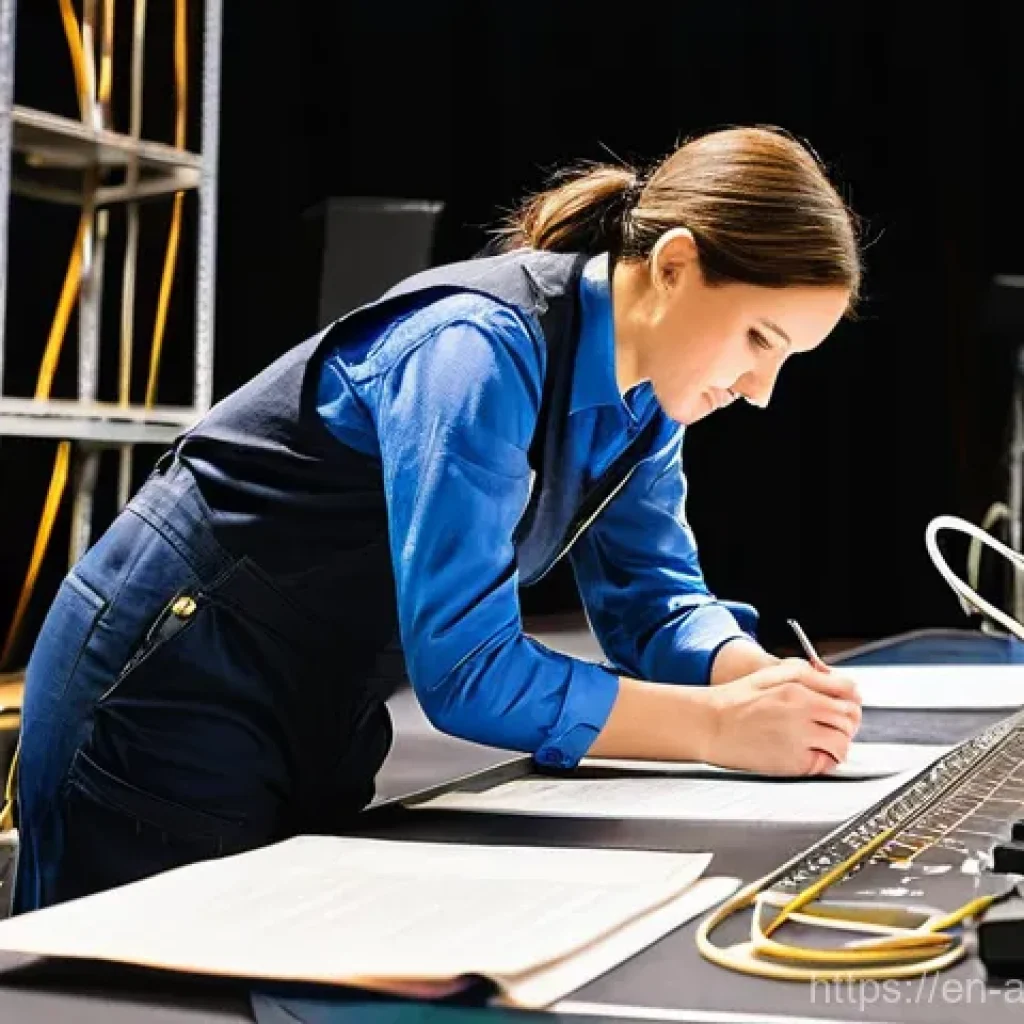
Hey there, fellow creators and arts enthusiasts! Have you ever sat in a darkened theater, the lights dimming, the anticipation building, and wondered about the magic that happens *before* the curtain even rises?
Well, let me tell you, bringing a live performance to life is an exhilarating, often chaotic, but incredibly rewarding dance of its own – and it all hinges on brilliant performing arts production management.
From my years deeply immersed in the vibrant world of theatre and live events, I’ve personally seen how a well-oiled production machine can turn a brilliant artistic vision into an unforgettable spectacle, while a poorly managed one can unfortunately derail even the most promising show.
With new challenges constantly emerging, like integrating cutting-edge VR technology for immersive experiences or navigating sustainable practices in set design, and the ever-present need to captivate audiences in an increasingly digital world, the role of a production manager is more critical and dynamic than ever.
It’s not just about schedules and budgets; it’s about fostering creativity, solving impossible problems on the fly, and ensuring every single element, from lighting cues to costume changes, runs seamlessly.
If you’re passionate about the magic behind the scenes and want to understand the intricate art of making it all happen, you’re in the right place. Let’s pull back the curtain and explore the fascinating world of performing arts production management together.
The Unsung Heroes: Why Production Managers are the True MVPs

You know, for years, I’ve been right there in the thick of it, watching the magic unfold from behind the scenes, and if there’s one thing I’ve learned, it’s that the true architects of any dazzling performance are often the ones you never see taking a bow. We’re talking about the production managers. These incredible individuals are the unsung heroes, the logistical masterminds who transform a director’s grand vision from abstract ideas and scribbled notes into a tangible, breathing reality. They’re not just managing people; they’re managing dreams, deadlines, and often, absolute chaos with a smile and a spreadsheet. I’ve personally witnessed production managers pull off what seemed like impossible feats – securing a ridiculously specific prop with hours to spare, rejigging an entire lighting plot overnight, or calming a frayed artist minutes before curtain-up. Their role demands an almost superhuman blend of artistic sensibility, meticulous organizational skills, and nerves of steel. Honestly, without a top-notch production manager at the helm, even the most brilliant artistic concept can stumble and falter. They are the bedrock, the spine, and the very heartbeat of any successful live show, ensuring every single moving part is synchronized and humming along perfectly. From budgeting and scheduling to technical coordination and crisis management, they wear so many hats, often simultaneously, that it’s truly a marvel to behold. They are the essential bridge between the creative dreamers and the practical doers, translating artistic needs into actionable plans and resources.
Bridging the Creative-Logistical Divide
The magic of live performance lies in its ephemeral nature, but creating that magic requires an incredibly solid logistical foundation. I’ve always seen the production manager as the ultimate translator, someone who can sit with a visionary director and understand their artistic aspirations, then turn around and speak the language of carpenters, electricians, costumers, and stagehands. It’s a fascinating dance of communication, ensuring that the creative team’s desires are not only understood but also practically achievable within the constraints of time, budget, and resources. They’re constantly asking, “How can we make this happen?” rather than “Can we make this happen?” This proactive problem-solving mindset is absolutely crucial. I remember one particularly challenging show where the director wanted a rain effect onstage. Sounds simple, right? Not when you’re dealing with historical theater flooring, delicate costumes, and sensitive lighting equipment. Our production manager worked tirelessly, researching specialized equipment, consulting with venue staff, and engineering a system that created the desired effect safely and within budget, without a single drop damaging the stage. It’s this kind of dedication to bridging that gap that truly sets them apart.
The Art of Anticipation and Problem Solving
If there’s one skill every great production manager I’ve worked with possesses in spades, it’s the uncanny ability to anticipate problems before they even arise. It’s like they have a crystal ball for potential pitfalls! During a particularly complex touring production, I watched our production manager meticulously pore over venue specifications weeks in advance, identifying potential power supply issues, tricky load-in routes, and even local union regulations that could impact our schedule. Because of this foresight, we were able to address these challenges proactively, ordering custom adapters, arranging specialized transport, and communicating with local crews, saving us countless hours and dollars once we were on site. And when the inevitable unexpected *does* happen – because, let’s be real, it always does in live theater – their ability to calmly assess the situation, gather information, and implement swift, effective solutions is nothing short of heroic. From a last-minute set piece malfunction to a key performer falling ill, they are the ones who keep the ship steady, finding creative workarounds and ensuring the audience never even suspects there was ever a wobble. It’s truly a high-pressure, high-reward role.
Beyond the Spreadsheet: Budgeting and Resource Juggling Mastery
Let’s be honest, talking about budgets isn’t always the most glamorous part of the performing arts, but it’s absolutely vital, and a great production manager turns it into an art form. I’ve often joked that their real superpower is making a shoestring budget feel like a lavish production while somehow keeping everything on track. It’s far more than just crunching numbers; it’s about strategic allocation, shrewd negotiation, and constantly looking for efficiencies without compromising artistic integrity. I once worked on a fringe festival show with a truly minimal budget, and our production manager managed to secure donated materials for set construction, negotiate discounted rates for rehearsal space, and even found a local university willing to lend us sound equipment in exchange for program credit. These kinds of resourceful moves are what keep independent theater alive and thriving. They understand that every penny spent has to count, and they’re incredibly adept at finding creative solutions to financial limitations. It’s about being a financial wizard and a resourceful scavenger all at once, always with the ultimate goal of supporting the artistic vision. There’s a constant push and pull between creative ambition and financial reality, and the production manager is the one expertly navigating that delicate balance every single day.
Creative Financing and Resourcefulness
The world of performing arts is rarely overflowing with cash, especially for emerging artists or smaller companies. This is where a production manager’s resourcefulness truly shines. I’ve seen firsthand how they become masters of negotiation, reaching out to suppliers for in-kind sponsorships, leveraging community connections for discounted services, and even creatively repurposing existing materials. For a recent immersive experience, our production manager managed to secure a disused warehouse space at a fraction of the market rate by proposing a unique partnership with the property owner. Instead of a traditional lease, the owner received publicity and a percentage of ticket sales, turning a seemingly impossible venue into a stunning reality. This kind of innovative thinking, looking beyond traditional financial models, is a hallmark of an exceptional production manager. They’re always asking, “Who can we partner with? What resources are already out there that we haven’t considered?” It’s this entrepreneurial spirit that truly makes a difference, enabling ambitious projects to come to fruition against all odds.
Tracking and Adapting: The Ever-Evolving Budget
A production budget isn’t a static document; it’s a living, breathing entity that changes constantly throughout the production process. A great production manager understands this implicitly and builds in contingencies, knowing that unforeseen expenses are an inevitable part of the game. I remember one instance where a crucial piece of technical equipment broke down just days before opening night, requiring an emergency rental. Because our production manager had meticulously tracked every expenditure and maintained a contingency fund, we were able to absorb the unexpected cost without derailing other essential areas of the show. They’re constantly monitoring spending against projections, identifying potential overruns early, and proactively seeking cost-saving measures without sacrificing quality. This constant vigilance and adaptability are what prevent small financial hiccups from turning into catastrophic budget blowouts. They are also adept at clear and transparent reporting, ensuring all stakeholders are aware of the financial health of the production at every stage, building trust and confidence within the team.
From Blueprint to Broadway: Navigating Pre-Production’s Labyrinth
Ah, pre-production! This is where the initial sparks of an idea truly start to take shape and where a production manager’s organizational prowess really comes into play. It’s a flurry of activity, planning, scheduling, and setting the groundwork for everything that follows. From the moment a show is greenlit, the production manager dives deep into breaking down the script, creating preliminary budgets, and developing comprehensive schedules that encompass everything from casting auditions to set construction timelines. I’ve often felt like this phase is akin to building a complex jigsaw puzzle, where every single piece needs to fit perfectly, and the production manager is the one with the master diagram. They’re negotiating contracts, sourcing materials, booking rehearsal spaces, and assembling the vast creative and technical teams. There’s an immense amount of communication happening during this period, ensuring everyone involved is on the same page and working towards a unified vision. It’s exhilarating to see the initial ideas solidify into concrete plans, and it’s all thanks to the meticulous planning and coordination that happens during these crucial early stages. Without this solid foundation, the entire production can feel wobbly and disorganized, so getting it right here is paramount.
The Scheduling Symphony
If you’ve ever tried to coordinate the schedules of dozens of highly creative individuals – actors, directors, designers, technicians – you know it’s a monumental task. This is where the production manager truly becomes a maestro, orchestrating a complex symphony of availability, facility booking, and logistical requirements. I once worked on a production with a particularly high-demand cast, all juggling multiple projects. Our production manager created a master schedule that was a work of art, color-coded and cross-referenced, ensuring every actor had their required rehearsal time, every designer had access to the workshop, and every technical element was tested and integrated without a single conflict. They consider travel times, meal breaks, union regulations, and the overall well-being of the team, creating a rhythm that allows creativity to flourish without burnout. It’s more than just plugging dates into a calendar; it’s about anticipating bottlenecks, building in buffer time, and constantly communicating updates to keep everyone informed and aligned. A well-crafted schedule is the heartbeat of pre-production, keeping everything moving forward.
Sourcing and Logistics: The Devil in the Details
Think about all the physical elements that go into a show: sets, costumes, props, lighting fixtures, sound equipment, special effects. Now imagine sourcing all of that, often from multiple vendors, coordinating deliveries, and ensuring everything arrives on time and within budget. That’s the logistical challenge a production manager tackles head-on during pre-production. I’ve seen them hunt down vintage furniture, commission custom-made props from local artisans, and navigate international shipping for specialized equipment. For one show, we needed a very specific type of antique microphone, and our production manager spent weeks tracking one down, negotiating its rental, and arranging for its safe transport from another state. This level of detail and dedication to sourcing exactly what’s needed, while also managing the practicalities of storage, transport, and installation, is a testament to their unwavering commitment. They’re the ones who ensure that when the designers envision something, the practical means to acquire and implement it are put into action. It’s an often unseen, but absolutely critical, part of bringing the vision to life.
The Show Must Go On: Crisis Management and On-the-Fly Solutions
No matter how meticulously you plan, how thoroughly you prepare, and how brilliant your team is, live performance always, *always* throws curveballs. And when those unexpected moments hit, it’s the production manager who steps into the breach, transforming potential disasters into mere blips on the radar. I’ve been in countless situations where something utterly unthinkable happens – a major technical failure just minutes before curtain, a key performer suddenly ill, a crucial set piece breaking during a scene change. In these high-stakes moments, panic can easily spread, but a great production manager remains the calm in the storm. They have an almost instinctual ability to assess the situation rapidly, delegate tasks, and implement effective solutions, often under immense pressure. It’s not just about fixing the problem; it’s about managing the emotional temperature of the room, reassuring the cast and crew, and ensuring the audience’s experience remains unaffected. This incredible capacity for cool-headed problem-solving is, in my experience, one of the most defining characteristics of an exceptional production manager. They are the ultimate firefighters, always ready with a plan B, C, and sometimes even D.
Anticipating the Unforeseeable
While some crises are truly unforeseen, many can be mitigated or even avoided with careful foresight. A seasoned production manager often possesses an almost clairvoyant ability to anticipate potential points of failure and build in redundancies or contingency plans. I remember working on an outdoor spectacle where the weather was a constant threat. Our production manager had not just a rain plan, but a high-wind plan, a sudden temperature drop plan, and even a plan for unexpected wildlife interference! Because of this comprehensive approach, when a sudden squall hit during a crucial rehearsal, we smoothly transitioned to our indoor alternative without losing valuable time. This level of preparation involves extensive risk assessment, understanding the vulnerabilities of every aspect of the production, from technical systems to human performance, and then proactively developing strategies to address those risks. It’s about being prepared for the worst, while always hoping for the best, a truly pragmatic approach that safeguards the entire production.
Grace Under Pressure: Leading Through Adversity
When a crisis erupts, the atmosphere backstage can become charged with tension. This is precisely when a production manager’s leadership and temperament are most critical. I’ve seen production managers lead with such grace under pressure, their calm demeanor radiating confidence that quickly diffused panic among the crew and cast. During one particularly stressful incident involving a power outage in the venue, our production manager not only coordinated with facility staff and technicians but also made sure to check in with every single performer, reassuring them and keeping spirits high. Their ability to communicate clearly, delegate effectively, and maintain a positive, solution-oriented attitude is paramount. It’s not about having all the answers immediately, but about having the process to find those answers, and inspiring confidence that the team will collectively overcome the challenge. This leadership during adversity fosters a strong, resilient team dynamic, where everyone trusts the person at the helm to navigate them through choppy waters.
Teamwork Makes the Dream Work: Cultivating a Collaborative Crew
You know, even the most brilliant individual can’t put on a show alone. Live performance is, by its very nature, a deeply collaborative art form, and the production manager is the chief architect of that collaborative environment. They’re not just managing tasks; they’re fostering relationships, facilitating communication, and building a sense of shared purpose among a diverse group of artists, technicians, and administrators. I’ve seen how a strong production manager can transform a group of talented individuals into a cohesive, high-performing team, where everyone feels valued and understood. They act as a central hub, ensuring information flows smoothly between departments – lighting, sound, costumes, set, stage management, front of house – preventing misunderstandings and promoting synergy. It’s about creating a culture where everyone feels comfortable raising concerns, offering solutions, and contributing their best work, knowing they are part of something bigger than themselves. This isn’t just about making the show run; it’s about making the experience of *making* the show a positive and enriching one for everyone involved, which, trust me, directly impacts the quality of the final product. A happy, well-communicating team is a productive team.
Building Bridges, Not Walls
In a complex production, it’s easy for departments to become siloed, each focusing solely on their own tasks. A key role of the production manager is to actively break down these barriers and build bridges of communication and understanding. I’ve seen production managers organize inter-departmental meetings, encourage cross-training, and even host social events that foster camaraderie. For a recent large-scale opera, our production manager implemented a “shadowing” program where technical crew members spent time observing rehearsals, and actors visited the workshops. This simple initiative dramatically improved empathy and understanding between the creative and technical teams, leading to smoother communication and fewer last-minute conflicts. They ensure that everyone understands how their individual contribution fits into the larger tapestry of the production, promoting a sense of shared ownership and mutual respect. It’s about creating a holistic view, where every person understands and appreciates the challenges and contributions of their colleagues, leading to a much more harmonious and efficient working environment.
Empowering the Ensemble
A truly effective production manager doesn’t just issue directives; they empower their team. They understand that the best solutions often come from the people on the ground, those directly engaged with specific tasks. I recall a situation where a new lighting designer was struggling with a complex programming sequence. Instead of simply dictating a solution, our production manager facilitated a discussion among the lighting team, encouraging collaborative problem-solving and allowing the designer to come up with their own innovative approach, with guidance and support. This approach not only solved the immediate problem but also built the designer’s confidence and fostered a stronger sense of ownership within the team. They create an environment where initiative is rewarded, and mistakes are seen as learning opportunities, not failures. By trusting their team members and providing them with the resources and autonomy they need, production managers cultivate a highly motivated and engaged workforce that goes above and beyond, truly investing their passion into the production.
Beyond the Footlights: Audience Experience and Post-Show Reflection
While much of a production manager’s work happens behind the scenes, their impact extends far beyond the stage. Ultimately, every decision they make, every problem they solve, contributes to the audience’s experience. From ensuring comfortable seating and clear sightlines to seamless transitions and perfectly timed cues, their meticulous planning directly shapes how the public perceives and enjoys the show. But their role doesn’t end when the final curtain falls; the post-show phase is equally critical, involving strike, financial reconciliation, and, importantly, reflection. I’ve found that a truly excellent production manager views the entire lifecycle of a production, from initial concept to final archiving, as a continuous learning opportunity. They are instrumental in gathering feedback, analyzing what worked and what didn’t, and ensuring that valuable lessons are carried forward to future projects. This commitment to continuous improvement is what elevates good productions to truly great ones, refining processes and enhancing the overall quality of the live arts experience year after year. It’s about closing the loop, ensuring that the next project benefits from the insights gained from the last, constantly raising the bar for artistic excellence and operational efficiency.
Crafting Seamless Patron Journeys
The audience experience begins long before they even step into the theater. It starts with the ease of ticketing, the clarity of directions to the venue, the warmth of the front-of-house staff, and the overall ambiance. While front-of-house teams directly handle patrons, a production manager’s choices indirectly affect this journey. I’ve seen production managers contribute by optimizing load-in schedules to minimize disruption to public areas, ensuring clear signage for audience flow, and even coordinating with local transport to facilitate easy access. For a recent outdoor festival, our production manager meticulously planned waste management and restroom facilities, which, while not directly artistic, profoundly impacted the comfort and satisfaction of thousands of attendees. They consider the entire patron journey, recognizing that every touchpoint, no matter how small, contributes to the overall perception of the event. A smooth, comfortable, and well-organized experience for the audience is a testament to the comprehensive planning that happens behind the scenes, enhancing their enjoyment of the artistic offering.
The Post-Mortem Power-Up
Once the last prop is stored and the final invoice is paid, an exceptional production manager doesn’t just breathe a sigh of relief and move on. They instigate a thorough post-mortem analysis. I’ve participated in these sessions, where the entire team gathers to dissect every aspect of the production – what went well, what could have been better, where unexpected challenges arose, and how they were overcome. These honest, open discussions are invaluable. For a challenging new play, our production manager led a comprehensive review of our technical rehearsals, identifying specific bottlenecks and developing new protocols for future similar productions. This reflective practice isn’t about pointing fingers; it’s about learning, iterating, and growing. They compile detailed reports, update resource lists, and archive production documents, creating a knowledge base that benefits every subsequent project. This commitment to continuous learning and operational refinement ensures that each new production stands on the shoulders of the lessons learned from the last, constantly pushing the boundaries of what’s possible in live performance.
Embracing Innovation: Tech, Trends, and the Future of Live Performance
The performing arts are constantly evolving, and what was cutting-edge yesterday might be commonplace tomorrow. For a production manager, staying ahead of technological advancements and emerging trends isn’t just a bonus; it’s essential for creating truly captivating and relevant experiences. From integrating interactive projections and virtual reality elements into live shows to adopting sustainable practices in set construction and energy management, the landscape is shifting rapidly. I’ve personally seen how a willingness to embrace new technologies can completely transform a production, opening up new creative possibilities and engaging audiences in ways we never thought possible. It’s about having an open mind, researching new tools, and understanding how they can serve the artistic vision while also being mindful of the practical implications and budgetary constraints. The future of live performance is exciting, and production managers are at the forefront of this innovation, continuously seeking out ways to push boundaries and create unforgettable moments for audiences in an increasingly digital and environmentally conscious world. It’s an exhilarating time to be in this field, with so much potential for groundbreaking work.
Integrating Immersive Technologies
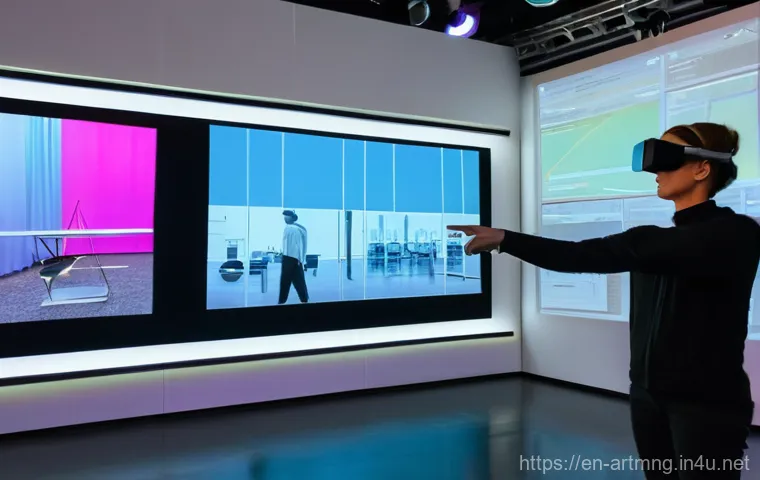
The rise of immersive technologies like virtual reality (VR), augmented reality (AR), and sophisticated projection mapping is revolutionizing how we create and experience live performance. I’ve been incredibly excited to see production managers grappling with and brilliantly executing the integration of these complex systems. For an experimental theater piece, our production manager worked closely with a team of VR developers to create an interactive pre-show experience that audiences could access on their phones, seamlessly blending the digital and physical worlds. This involved not just understanding the technology itself but also managing the unique logistical challenges of hardware distribution, network stability, and user experience design within a live event context. They are also exploring how these technologies can be used for things like virtual set design, allowing designers to visualize and iterate on ideas in a truly dynamic way before committing to physical construction. It’s a brave new world, and production managers are the ones making sure these futuristic elements enhance, rather than detract from, the live experience, always keeping the audience at the heart of their decisions.
Sustainability: Greening the Stage
Beyond the glitz and glamour, there’s a growing, vital movement towards more sustainable practices within the performing arts, and production managers are leading the charge. I’ve personally been involved in initiatives to reduce waste, reuse materials, and minimize the carbon footprint of our productions. For a recent musical, our production manager meticulously sourced recycled and reclaimed materials for the set, implemented a comprehensive composting and recycling program backstage, and even negotiated with the venue to switch to renewable energy sources for our run. This isn’t just about being environmentally responsible; it’s also often about finding innovative, cost-effective solutions and appealing to an increasingly eco-conscious audience. They’re thinking about the entire lifecycle of materials, from procurement to disposal, and actively seeking out greener alternatives at every stage. It’s a challenging but incredibly rewarding aspect of the job, knowing that you’re contributing to a more sustainable future for the arts and the planet, ensuring that the magic on stage doesn’t come at an undue cost to our environment.
| Production Phase | Key Production Manager Responsibilities | Typical Challenges |
|---|---|---|
| Pre-Production | Budgeting, Scheduling, Team Assembly, Design Coordination, Resource Sourcing, Contract Negotiation | Budget constraints, conflicting schedules, securing specialized resources, initial creative disagreements |
| Rehearsal | Logistical support, Facility management, Troubleshooting, Communication flow, Budget monitoring | Last-minute changes, technical integration issues, maintaining morale, unforeseen performer needs |
| Technical Rehearsals & Previews | System integration, Safety checks, Cue coordination, Problem-solving, Adjusting to live performance | Technical malfunctions, time pressure, managing stress, last-minute creative adjustments |
| Performance Run | Daily operations, Crisis management, Team supervision, Financial oversight, Audience experience monitoring | Unexpected equipment failures, performer issues, audience complaints, maintaining consistency |
| Strike & Post-Production | Disassembly, Logistics of returns/storage, Financial reconciliation, Archiving, Post-mortem analysis | Time pressure, disposal/recycling logistics, final budget reconciliation, ensuring thorough documentation |
Wrapping Up
Whew! We’ve covered a lot, haven’t we? It’s been a real journey peeling back the curtain on the incredible, often unseen, world of production managers. If you take anything away from our chat today, I hope it’s a profound appreciation for these logistical wizards. They truly are the unsung heroes, the bedrock upon which the most dazzling performances are built. Without their relentless dedication, their calm in the storm, and their uncanny ability to make the impossible happen, the magic we experience on stage simply wouldn’t exist. So, the next time you’re captivated by a show, spare a thought for the brilliant minds orchestrating it all from behind the scenes!
Good to Know Info
1. Networking is Your Superpower: In the world of live events, who you know can be just as important as what you know. I’ve personally seen incredible opportunities arise from simply chatting with someone after a show or at an industry event. Building genuine relationships with fellow artists, technicians, and administrators can open doors you never even knew existed, leading to collaborations and learning experiences that are truly invaluable. It’s all about creating connections that feel authentic and mutually beneficial, because the arts thrive on collaboration and shared passion.
2. Never Stop Learning & Adapting: The industry is constantly evolving, especially with new technologies emerging all the time. Staying current isn’t just a suggestion; it’s a necessity. Whether it’s picking up a new software skill, understanding the latest in sustainable production practices, or delving into immersive tech, a commitment to continuous learning will keep you relevant and in demand. Trust me, the moments I’ve invested in learning a new trick or tool have always paid dividends, making me a more versatile and effective team member in the long run.
3. Cultivate Your Soft Skills: While technical know-how is crucial, don’t underestimate the power of your “soft skills.” Communication, leadership, problem-solving, and emotional intelligence are absolutely paramount for navigating the complex dynamics of a production team. I’ve witnessed productions flourish simply because the team leaders were exceptional communicators who could keep everyone calm, focused, and feeling valued, even when things got intense. These are the skills that transform a good manager into a truly inspirational one, fostering an environment where creativity and efficiency can truly thrive.
4. Budgeting is a Creative Act: Think of the budget not as a limitation, but as another canvas for your creativity. Learning to manage finances shrewdly, negotiate effectively, and find resourceful solutions to monetary constraints is a huge asset. I’ve seen production managers turn what looked like insurmountable financial hurdles into innovative opportunities, simply by thinking outside the box and leveraging every available resource. It’s a skill that requires both analytical thinking and a healthy dose of imagination, turning fiscal challenges into triumphs that still support the artistic vision.
5. Passion and Resilience Go Hand-in-Hand: This isn’t a 9-to-5 job; it’s a calling. The long hours, the unexpected challenges, and the intense pressure demand a deep-seated passion for the art form. Coupled with that passion must be resilience – the ability to bounce back from setbacks, learn from mistakes, and keep pushing forward with a positive attitude. I can tell you from personal experience, those moments when you feel utterly drained are often followed by the most exhilarating successes, reminding you why you do what you do. Your unwavering enthusiasm and ability to roll with the punches are your greatest assets.
Key Takeaways
Alright, let’s distill this down to the absolute essentials. What we’ve seen today is that production managers are truly the unsung architects of live performance, a fascinating blend of logistical genius and creative enabler. Their role is incredibly multifaceted, encompassing everything from the initial spark of budgeting and meticulous scheduling in pre-production, to the daily grind of troubleshooting and ensuring smooth operations during a show’s run. They are the calm in every storm, the problem-solvers who turn potential disasters into minor hiccups, all while expertly juggling resources and fostering a collaborative environment where every single team member feels valued and understood. More than just coordinators, they are the bridge between artistic vision and practical reality, constantly adapting, innovating, and embracing new technologies and sustainable practices to elevate the audience experience. Their silent contributions are the very backbone of the magic we witness on stage, making every production a testament to their dedication, expertise, and unwavering passion for the performing arts.
Frequently Asked Questions (FAQ) 📖
Q: What does a performing arts production manager actually do? I mean, it sounds grand, but what’s the day-to-day reality like?
A: Oh, trust me, it’s a whirlwind, but in the best possible way! From my own experience, a performing arts production manager is truly the backbone of any show, the maestro behind the curtain who ensures every single element harmonizes into one unforgettable performance.
It’s not just about snapping your fingers and expecting magic; it’s about meticulous planning, endless coordination, and being a human problem-solver, often on the fly!
Think of it this way: before a single note is played or a dancer steps onto the stage, I’m knee-deep in budgeting, making sure every dollar stretches to cover everything from elaborate set pieces to a performer’s last-minute costume tweak.
Then there’s the scheduling, which is like a giant, ever-shifting puzzle involving rehearsals, venue availability, load-in and load-out times, and coordinating every department you can imagine – lighting, sound, costumes, props, stage management, even the catering for the crew!
I’ve spent countless hours in meetings, on calls, and dashing between departments, making sure the scenic designer’s vision is achievable, the lighting designer’s cues are perfectly timed, and the sound engineer has exactly what they need.
It’s about foreseeing potential hiccups and having a backup plan (or three!) ready. There are always unexpected challenges – a prop breaks, a crucial piece of equipment decides to malfunction, or the weather throws a curveball at an outdoor event.
That’s when the real fun begins, and you learn to think on your feet, finding creative solutions with a cool head. It’s exhausting, exhilarating, and incredibly rewarding when you see all that hard work culminate in a flawless show and a standing ovation!
Q: How is technology reshaping the world of performing arts production management?
A: re we really talking about VR and sustainability in the same breath? A2: Absolutely! It’s incredible how rapidly technology is transforming our industry, and yes, VR and sustainability are very much part of the same evolving conversation.
From my perspective, embracing these changes isn’t just an option; it’s essential for staying relevant and engaging with modern audiences. On the tech side, we’re moving way beyond just fancy projectors.
We’re seeing virtual reality (VR) and augmented reality (AR) used to create truly immersive experiences. Imagine a VR headset transporting an audience member directly onto the stage or into a fantastical digital world that blends seamlessly with live actors!
I’ve experimented with digital tools that let us visualize entire sets in 3D before anything is even built, helping us catch potential issues and refine designs with remarkable precision.
Tools for complex scheduling, real-time communication among global teams, and even audience engagement through interactive digital elements are becoming commonplace.
It’s all about pushing creative boundaries and making performances more accessible and captivating than ever. And then there’s sustainability, which is no longer just a buzzword but a fundamental shift in how we approach every aspect of production.
I’ve personally been involved in projects focused on sourcing eco-friendly materials for sets and costumes, minimizing waste during construction, and even exploring energy-efficient lighting solutions like LEDs that cut down on power consumption dramatically.
From the initial design to the final breakdown, we’re thinking about our environmental footprint – things like repurposing props, using local suppliers to reduce transport emissions, and encouraging digital scripts to cut down on paper.
It’s a huge challenge, but it’s vital for the future of our planet and our art. It often means getting creative with limited resources, but the payoff, both ethically and sometimes financially, is immense.
Q: With all these moving parts and challenges, what’s the secret to ensuring a performing arts production runs smoothly and successfully?
A: Ah, the million-dollar question! If there’s one thing I’ve learned from years in the trenches, it’s that there’s no single “secret,” but rather a blend of key ingredients that, when mixed just right, create that magical, seamless experience.
For me, it boils down to three core principles: communication, adaptability, and cultivating an incredible team. First, communication is absolutely paramount.
It sounds obvious, but you’d be amazed how often things go sideways because someone wasn’t in the loop. I make it my mission to foster an environment where everyone—from the director to the newest intern—feels empowered to share information, ask questions, and voice concerns.
Regular, clear check-ins, detailed production meetings, and transparent documentation are non-negotiable. When everyone understands the vision, their role, and the constraints, it’s like everyone is rowing in the same direction, even when the currents get rough.
Second, you have to be incredibly adaptable. In live performance, something will go wrong. It’s not a matter of if, but when.
The set piece that worked perfectly in rehearsal might jam during a performance, a weather forecast might force a last-minute venue change, or a performer might get sick.
I’ve seen it all! My approach is to anticipate as much as possible with robust planning and risk assessment, but also to instill a “can-do” attitude in the team.
When unforeseen problems arise, it’s about quickly assessing the situation, making decisive choices, and creatively pivoting without losing sight of the overall artistic goal.
It’s about turning potential disasters into triumphs, often in minutes. Finally, and perhaps most importantly, it’s all about the team. You are only as strong as the people you surround yourself with.
I’ve always prioritized building a diverse group of passionate, skilled, and trustworthy individuals who not only excel in their craft but also embody a collaborative spirit.
When you have a team that trusts each other, respects each other’s expertise, and is willing to go the extra mile, you can achieve anything. It creates an energy, a shared commitment, that permeates every aspect of the production and truly makes the show shine.
That’s when the real magic happens, folks!