There’s something truly special happening in our cities right now, a palpable shift in how we envision urban spaces. It’s more than just new buildings or fancy parks; it’s about infusing the very soul of a place with its unique heritage and creative spirit.
I’ve personally seen how “cultural city creation projects” are transforming sleepy towns and bustling metropolises alike, turning them into vibrant hubs that not only attract visitors but deeply enrich the lives of residents.
This isn’t just some fleeting trend; it’s a global movement towards recognizing that culture isn’t a luxury, but a fundamental pillar of sustainable urban development, driving economic growth, fostering social cohesion, and preserving our collective identity for generations to come.
However, let’s be real – it’s not always sunshine and roses. The path to building these cultural havens is often riddled with challenges. We’re talking about the delicate dance between modernizing for the future and respectfully preserving the past, or ensuring that new developments don’t inadvertently displace the very communities whose culture we’re trying to celebrate.
From navigating complex funding landscapes to tackling the potential for gentrification, city planners and community leaders face uphill battles daily.
But the exciting part is the innovative solutions emerging, driven by a deeper understanding of community engagement and the power of adaptive reuse. Think about the stunning transformation of industrial heritage sites into dynamic cultural centers or the clever repurposing of disused public spaces into lively community hubs.
The future of our cities hinges on these forward-thinking initiatives, integrating technology, green spaces, and diverse voices to create truly inclusive environments where culture isn’t just displayed, but lived and breathed.
It’s about building smarter, more resilient cities where everyone feels a sense of belonging and inspiration. Have you ever walked into a city and just felt its unique heartbeat, that undeniable energy that comes from a thriving cultural scene?
It’s not by accident! Across the globe, incredible “cultural city creation projects” are reimagining urban landscapes, blending history with innovation to craft spaces that inspire and connect us all.
From revitalizing old neighborhoods to igniting new creative economies, these initiatives are proving just how powerful culture can be as a catalyst for genuine transformation.
I’m truly fascinated by how communities are coming together to make these visions a reality, and I know you will be too. Let’s accurately explore the ins and outs of this fascinating movement together!
A City’s Soul: Why Culture is the Ultimate Urban Catalyst
Beyond Buildings: Understanding the True Value of Culture
Have you ever visited a city and just felt its pulse, its unique character that stays with you long after you’ve left? I’ve certainly had that experience, and it’s almost always tied to the city’s vibrant cultural scene.
It’s more than just museums or theaters; it’s the intangible essence, the stories woven into the streets, the traditions that live in its people. I genuinely believe that culture isn’t a mere embellishment for a city, but its very soul, a fundamental building block for what makes a place truly thrive.
It’s what transforms a collection of buildings into a living, breathing community that residents cherish and visitors flock to. When cities invest in their cultural identity, they’re not just spending money; they’re investing in their future, creating a sense of belonging and a unique identity that stands out in our increasingly globalized world.
It’s a testament to the idea that our shared heritage and creative expressions are invaluable assets that genuinely enrich daily life, making our urban environments more meaningful and inspiring for everyone.
The Ripple Effect: How Culture Shapes Everything Else
What I’ve observed time and again is how cultural initiatives spark a powerful ripple effect throughout a city. It’s truly fascinating! Think about it: when a neglected historic district is revitalized with art galleries and local craft shops, suddenly foot traffic increases.
Small businesses flourish, new cafes pop up, and property values start to climb. This isn’t magic; it’s the power of culture acting as a magnet. Beyond the immediate economic gains, there’s a profound social impact too.
Festivals bring diverse communities together, public art sparks conversations, and shared cultural spaces become melting pots of ideas and connections.
I remember visiting a once-sleepy town that started hosting an annual music festival, and the transformation was incredible. The pride in the community was palpable, and you could feel a renewed energy that touched every corner of the town.
This comprehensive revitalization aligns perfectly with sustainable development goals, recognizing that preserving cultural and natural heritage is crucial for creating resilient and liveable urban spaces.
Breathing New Life into Old Spaces: The Art of Adaptive Reuse
Transforming the Forgotten: From Factories to Cultural Hubs
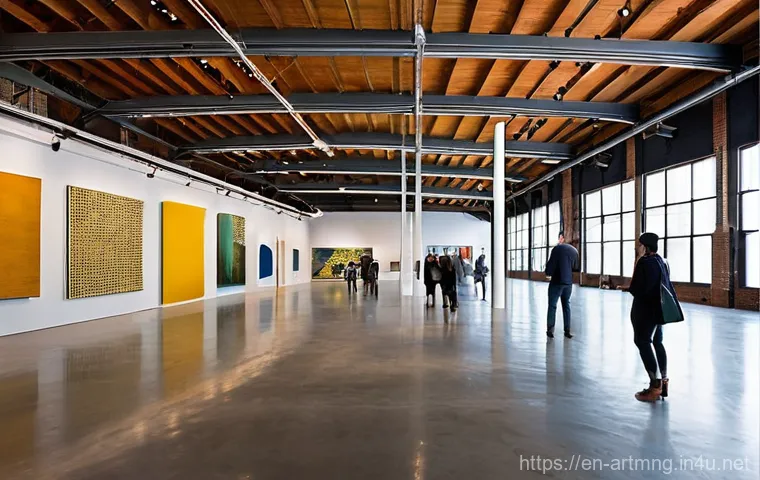
One of the most exciting aspects of modern cultural city creation is what urban planners call “adaptive reuse.” I’ve personally been captivated by projects that take forgotten or derelict buildings and give them an entirely new, vibrant purpose.
It’s like watching a phoenix rise from the ashes! Imagine an old, abandoned factory, once a symbol of industrial decline, now buzzing with life as a contemporary art museum, a vibrant market, or a dynamic community center.
This isn’t just about saving old bricks and mortar; it’s about preserving the embedded history and character of a place while making it relevant for today’s needs.
My personal favorite examples often involve industrial heritage sites, where the raw, rugged beauty of the original structure is cleverly integrated into the new design, creating spaces that feel both historic and cutting-edge.
It’s an incredibly sustainable approach, reducing waste and carbon footprints compared to new construction.
Global Inspirations: Case Studies in Transformation
Around the world, we’re seeing incredible examples of adaptive reuse that truly inspire me. The Tate Modern in London, for instance, transformed a former power station into one of the world’s most iconic art galleries, fundamentally reshaping the cultural landscape of the city.
Or consider the High Line in New York City, which repurposed an abandoned railway line into a stunning elevated public park and urban greenway. Closer to home, in Ireland, the THRIVE – Town Centre First Heritage Revival Scheme is pumping millions into reimagining and adapting heritage buildings into community and cultural hubs, giving local people a direct say in their future.
These projects demonstrate a profound understanding that old buildings aren’t just relics; they’re opportunities waiting to be unleashed, offering unique character that new builds can rarely replicate.
It’s about being a “city doctor,” as some architects brilliantly put it, recycling buildings to reinvigorate neighborhoods and change public spaces.
The Economic Pulse: How Culture Fuels Prosperity
Beyond Ticket Sales: The Broader Economic Impact
When we talk about cultural projects, it’s easy to just think about the direct revenue from ticket sales or museum admissions. But, in my experience, the economic benefits stretch far, far wider than that.
Cultural initiatives are powerful economic engines, generating significant value for local economies. They attract tourists, which means more spending at local hotels, restaurants, and shops.
They create jobs, not just for artists and performers, but for hospitality staff, construction workers, marketing professionals, and so many more. I’ve seen firsthand how a major arts festival can inject a palpable buzz into a city, filling its streets and boosting businesses for weeks.
These projects enhance a city’s “brand” on a global stage, drawing in further investment and talented individuals seeking vibrant, creative environments.
Cultural Tourism and Investment Magnetism
Think about cities like Liverpool, UK, which has strategically leveraged its rich musical heritage to become a major cultural tourism destination. Projects there are projected to generate nearly £41 million in turnover and host over 12,000 events annually.
This isn’t just about preserving history; it’s about actively using culture as a magnet for growth. Governments and organizations are increasingly recognizing this, investing in cultural and tourism consumption promotion policies that stimulate local economies and drive regional development.
It’s a virtuous cycle: more cultural offerings attract more visitors and residents, which in turn leads to more investment and a richer, more diverse urban fabric.
It’s also fascinating to see how cultural events like festivals can directly pump millions into local economies through visitor spending, like the Crop Over festival in Barbados.
Voices from the Ground Up: Empowering Community Engagement
Ensuring Inclusivity: More Than Just a Box-Ticking Exercise
True cultural city creation, in my humble opinion, isn’t something dictated from the top down. It *has* to come from the heart of the community. I’ve learned that the most successful projects are those where local voices aren’t just heard, but actively shape the vision.
This means going beyond simple public consultations and genuinely involving residents, local artists, small business owners, and community groups from the very beginning.
It’s about ensuring that the cultural identity being cultivated truly reflects the people who live there, preventing the kind of gentrification that can sadly displace the very communities whose culture we initially set out to celebrate.
Philadelphia’s Rebuild initiative, for instance, emphasizes community engagement in its park and recreation center renovations, ensuring that improvements meet local priorities.
Building Ownership: From Ideas to Reality
When communities are deeply involved, something truly magical happens: they take ownership. They become advocates, volunteers, and champions for these projects.
I once saw a grassroots initiative turn a neglected community garden into a thriving outdoor art space, entirely driven by local residents. The sense of pride and collective achievement was immense.
This kind of “citizen-centered, community-led approach” is vital for the long-term sustainability and success of any cultural urban project. The transformation of Wakalat al-Geddawi in Esna, Egypt, is a brilliant example of community-led heritage preservation that created thousands of jobs and restored historic centers, demonstrating a replicable model for sustainable development.
The Balancing Act: Preserving Heritage While Embracing Innovation
Navigating the Past and Present
This is where things can get tricky, and I’ve seen this delicate dance play out many times. How do you honor centuries of history while simultaneously pushing forward with modern, innovative designs and technologies?
It’s a constant challenge for city planners and architects. The goal isn’t to freeze a city in time, but to allow it to evolve organically, respecting its roots while adapting to contemporary needs.
Sometimes this means a meticulous restoration, other times it means a bold, contrasting architectural addition that creates a dialogue between old and new.
The key, I believe, lies in thoughtful, sensitive design that understands the unique context of each site.
Smart Solutions for Sustainable Futures
The integration of smart city technologies and green infrastructure into cultural city projects is becoming increasingly important. For instance, designing cultural spaces with energy efficiency in mind, using sustainable materials, or even incorporating interactive digital exhibits that tell historical stories in new ways.
Masdar City, for example, is emerging as a hub where culture and sustainability intersect, fostering innovation and community-focused initiatives. This forward-thinking approach ensures that cultural development is not only enriching but also environmentally responsible, contributing to the broader goals of sustainable urban development.
It’s about building cities that are not just beautiful, but also resilient and responsive to future challenges.
Facing the Realities: Overcoming Urban Hurdles
Funding, Politics, and Practicalities
Let’s be real, embarking on these grand cultural city projects isn’t always smooth sailing. I’ve witnessed firsthand the complexities of securing adequate funding, navigating bureaucratic red tape, and managing diverse stakeholder interests.
It’s a huge undertaking! Often, these projects rely on a blend of public and private investment, grants, and sometimes even innovative crowdfunding initiatives.
Political shifts can also pose challenges, as priorities change with new administrations. It takes incredible perseverance, strong leadership, and a clear vision to push these projects through from conception to completion.
Gentrification and Displacement: A Constant Concern
One issue that always weighs on my mind, and one that absolutely needs to be addressed head-on, is the potential for gentrification. While cultural revitalization can bring immense benefits, it can also inadvertently price out long-standing residents and small businesses, eroding the very cultural fabric it aimed to celebrate.
This is a critical ethical consideration. Solutions often involve proactive affordable housing policies, community land trusts, and ensuring that local communities directly benefit from the economic uplift.
It’s a delicate balance, and frankly, it requires constant vigilance and a commitment to equitable development. For example, some regeneration projects in Xi’an, China, highlight the trade-off between large-scale economic revitalization and the potential erosion of socio-cultural fabric, emphasizing the need for flexible governance models.
The Future is Green and Smart: Integrating Modern Elements
Nature in the City: Parks, Greenways, and Public Art
I’m a huge advocate for green spaces in urban environments, and it’s wonderful to see how cultural city projects are increasingly weaving nature into their designs.
From new public parks that double as outdoor performance venues to urban greenways adorned with captivating public art, these elements make cities more livable, beautiful, and inspiring.
They offer residents a breath of fresh air, a place to connect with nature, and a backdrop for cultural experiences. Imagine a bustling city square transformed into a serene green oasis with an interactive art installation at its heart – it really changes the whole vibe, doesn’t it?
The City of Nanaimo, for instance, is enhancing its downtown experience through thoughtful urban design that includes powerful Coast Salish art integrated into street bollards, enriching the area’s cultural and visual identity.
Digital Narratives and Engaging Experiences
Beyond physical spaces, technology is playing an ever-growing role in shaping our cultural cities. I’m talking about immersive digital installations, augmented reality tours of historic sites, and interactive exhibits that bring stories to life in new and exciting ways.
These aren’t just gimmicks; they’re powerful tools for engagement, especially for younger generations. Dubai, for example, is leveraging smart city technologies and AI-driven urban planning to create connected, collaborative, and circular cities, integrating cultural, recreational, and wellness initiatives.
These digital narratives allow us to experience culture in more dynamic and personalized ways, ensuring that our heritage remains relevant and accessible in the digital age.
| Aspect of Cultural City Creation | Key Benefits Observed | Common Challenges Encountered |
|---|---|---|
| Adaptive Reuse of Heritage Sites |
|
|
| Community Engagement & Inclusivity |
|
|
| Economic Development Through Culture |
|
|
My Personal Take: What Makes a Project Truly Shine
Authenticity and Vision: The Unseen Ingredients
From my vantage point, having seen so many cities embark on these cultural journeys, the projects that truly stand out are those that possess a deep sense of authenticity and a clear, unwavering vision.
It’s not about copying what another city did; it’s about celebrating what makes *your* city unique. What are its stories? What are its traditions?
What raw, creative energy lies beneath the surface? The most impactful initiatives are those that tap into these authentic veins, rather than imposing a generic “cultural” template.
A genuine commitment to the unique identity of a place is something you can feel, and it’s what resonates most deeply with both residents and visitors alike.
People-Centric Design: For and By the Community
Ultimately, cultural city creation is about people. It’s about designing spaces and experiences that enhance the lives of those who call the city home.
It’s about fostering creativity, promoting dialogue, and creating opportunities for connection. When I see a project that actively involves residents, empowers local artists, and considers the diverse needs of its community, I know it’s on the right track.
Because when culture truly serves its people, it becomes an unstoppable force for good, transforming urban landscapes into places of belonging, inspiration, and enduring vibrancy.
It’s about building smarter, more resilient cities where everyone feels a sense of belonging and inspiration.
글을 마치며
As we’ve journeyed through the intricate ways culture breathes life into our urban environments, I hope you’ve felt the same sense of awe and possibility that I do. It’s truly incredible to witness how shared heritage, creative expression, and community engagement can transform mere buildings into vibrant, soulful places. Investing in a city’s culture isn’t just about making it more attractive; it’s about nurturing its very essence, fostering a deeper connection among its people, and laying down the foundations for a resilient and inspiring future. Let’s keep championing these vital efforts, because ultimately, a city’s greatest masterpiece is the collective spirit of its residents.
알아두면 쓸모 있는 정보
1. When you’re looking to support local cultural initiatives, start by checking out your city’s official tourism or cultural affairs website. They often have comprehensive lists of upcoming festivals, community art projects, and local heritage sites that are truly worth exploring. Better yet, seek out grassroots organizations – they often need volunteers and donations the most, and that’s where you can make a tangible difference.
2. Don’t underestimate the power of adaptive reuse for urban renewal. If you see an old, forgotten building in your neighborhood, imagine its potential! Many cities offer grants and support for projects that aim to transform these structures into vibrant community spaces, preserving history while creating something new and exciting for everyone to enjoy.
3. Engage with local policy-makers! Attending town hall meetings or joining community boards can give you a direct voice in how your city’s cultural landscape develops. Share your ideas, advocate for inclusive cultural programming, and push for equitable development that benefits all residents, not just a select few.
4. Explore cultural tourism beyond the obvious landmarks. Sometimes the most enriching experiences come from delving into local markets, discovering street art, or attending smaller, neighborhood-specific events. These hidden gems often reveal the authentic soul of a city and offer truly memorable interactions you won’t find in guidebooks.
5. Consider the long-term sustainability of cultural projects. It’s not just about the grand opening; it’s about what happens years down the line. Look for initiatives that integrate green practices, empower local businesses, and have clear plans for continued community involvement and financial viability. This ensures that the cultural fabric woven today lasts for generations.
중요 사항 정리
The Indispensable Role of Culture
As we’ve journeyed through the intricate tapestry of urban development, it’s become abundantly clear that culture isn’t merely an optional amenity; it’s the very bedrock upon which thriving cities are built. It’s the unique narrative, the shared heritage, and the boundless creativity that gives a place its character and deepens the sense of belonging for its residents. I’ve seen firsthand how a genuine commitment to cultural enrichment can transform sterile urban environments into vibrant, living ecosystems where both people and businesses flourish.
Driving Economic Growth and Community Spirit
Beyond the aesthetic appeal, culture is a formidable economic engine. From boosting tourism and creating diverse job opportunities to attracting investment and talent, its ripple effects are undeniable. But it’s more than just money; it fosters social cohesion, bringing diverse communities together and strengthening civic pride. The magic truly happens when cities embrace adaptive reuse, turning forgotten spaces into bustling cultural hubs, or when they actively engage citizens, ensuring that development is a truly inclusive, bottom-up process. It’s about cultivating spaces that resonate with everyone and provide real, tangible benefits.
Navigating Challenges with Vision
Of course, this journey isn’t without its hurdles. Funding challenges, political complexities, and the ever-present concern of gentrification require thoughtful, proactive strategies. The key, I believe, lies in visionary leadership that prioritizes equitable development, integrates sustainable practices, and embraces both heritage preservation and cutting-edge innovation. Ultimately, the most successful cultural city projects are those that are authentic, people-centric, and committed to building resilient, inspiring urban futures for all, making our cities places we’re genuinely proud to call home.
Frequently Asked Questions (FAQ) 📖
Q: What exactly are “cultural city creation projects” and why are they becoming such a huge deal for urban areas worldwide?
A: Oh, these projects are truly fascinating, and from what I’ve seen traveling and observing different cities, they’re much more than just building something new!
“Cultural city creation projects” are essentially initiatives where cities intentionally weave their unique history, local traditions, and creative energy into their urban planning and development.
Think beyond just a new museum; it’s about making culture a living, breathing part of the entire city’s fabric. Instead of just focusing on infrastructure, cities are now actively trying to infuse their very soul with a sense of place and identity.
Why are they a big deal? Well, I’ve personally witnessed how they can totally transform a city! It’s not just about looking good; it’s a strategic move for sustainable urban development.
When a city embraces its culture, it naturally attracts more visitors, boosting local businesses and creating jobs – hello, economic growth! Beyond the money, these projects foster a stronger sense of community and belonging among residents.
When people feel connected to their city’s story and see it celebrated, there’s a palpable pride that emerges. It helps preserve our collective identity, too, ensuring that future generations can experience and learn from the past while building a vibrant future.
It’s like giving a city a personality, and who wouldn’t want to visit or live in a place with character?
Q: Building these cultural havens sounds incredible, but I imagine it’s not always easy. What are some of the biggest challenges cities face, and how are they finding innovative ways to overcome them?
A: You’re absolutely right, it’s definitely not always a walk in the park! I’ve seen firsthand how complex these projects can get. One of the primary struggles is the delicate balance between modernizing a city for future needs and respectfully preserving its historical past.
It’s a tightrope walk – you want progress, but you don’t want to erase what makes a place unique. Another significant hurdle is navigating the often-tricky world of funding.
These projects can be quite expensive, and securing sufficient resources, whether through government grants, private investments, or community support, is always a challenge.
And let’s be real, there’s always the concern about gentrification – ensuring that new developments don’t accidentally push out the very communities whose culture we’re trying to celebrate.
It’s a tough issue that requires thoughtful planning. But here’s the exciting part: cities are getting incredibly creative in overcoming these challenges!
I’ve seen some truly inspiring solutions. For instance, community engagement is becoming paramount. By involving local residents, artists, and businesses from the very beginning, cities can ensure that projects truly reflect community needs and avoid unintended negative consequences.
Another brilliant approach is “adaptive reuse.” This is where old, often disused buildings – like former industrial sites, old libraries, or even empty department stores – are transformed into dynamic cultural centers, art studios, or community hubs.
It’s a win-win: preserving heritage, saving resources, and breathing new life into forgotten spaces. Think of a historic waterfront building becoming a vibrant arts complex, or an old railway station reinvented as a bustling market and performance venue.
These innovative approaches are not only solving problems but also creating genuinely unique and resilient urban environments.
Q: Beyond just attracting tourists, how do these cultural city creation projects truly impact the daily lives of residents and the overall local economy?
A: That’s such a great question because it gets to the heart of why these projects are so vital! While attracting tourists is certainly a fantastic benefit and can bring in much-needed revenue, the impact on residents and the local economy goes so much deeper.
I’ve observed that when a city invests in its cultural infrastructure, it directly enhances the quality of life for everyone living there. Imagine having access to lively public spaces, local art exhibits, community festivals, and beautifully preserved historical sites right on your doorstep.
It creates a more engaging, stimulating, and enjoyable environment to live, work, and play in. Residents feel a stronger sense of pride and belonging to their city, which can lead to increased civic participation and a more cohesive community.
Economically, the ripple effect is substantial. Beyond direct tourism, these projects often spur the growth of creative industries – think independent galleries, artisan workshops, music venues, and unique local eateries.
This creates diverse job opportunities, not just in the arts, but in hospitality, retail, and supporting services. I’ve personally seen neighborhoods revitalize, with new businesses flourishing around cultural hubs.
For example, revitalizing a historic district often means local shops and cafes see a boom in business as more people spend time there. Plus, a vibrant cultural scene can make a city more attractive to talented professionals and businesses looking to relocate, contributing to a more dynamic and resilient local economy in the long run.
It’s about building a place where both people and prosperity can truly thrive.