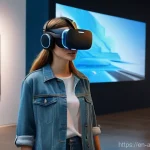
Navigating the vibrant world where creativity meets strategy? It’s a space I’ve been fascinated by, watching how artistic vision and sound management come together to create something truly magical and sustainable.
In today’s rapidly evolving cultural landscape, it feels like the traditional boundaries are constantly blurring, pushing us to think differently. From what I’ve seen, the most successful arts organizations aren’t just presenting art; they’re actively fostering innovation, connecting deeply with communities, and embracing new technologies to tell their stories in exciting ways.
We’re talking about everything from immersive digital experiences to social entrepreneurship, all while grappling with crucial topics like diversity, equity, and inclusion.
It’s an exhilarating time, and honestly, a bit of a challenge, but that’s where creative thinking truly shines. If you’re passionate about the arts and want to make a real impact, understanding this dynamic intersection is absolutely key.
It’s about more than just keeping the lights on; it’s about shaping the future of culture. Let’s delve into exactly how arts management and creative thinking are redefining what’s possible, right now.
Shifting Perspectives: From Curator to Catalyst
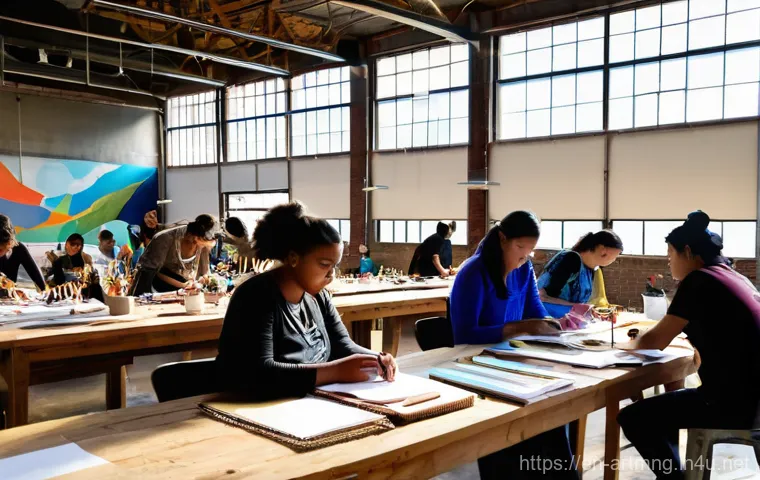
It wasn’t that long ago that the image of an arts leader was often confined to the stately curator, carefully preserving relics of the past or meticulously arranging exhibitions.
While that role remains vital, I’ve personally seen a seismic shift in what it means to lead in the arts today. It’s no longer enough to simply present; we’re now expected to *ignite*, to *engage*, and to *innovate*.
Think about the struggle many smaller theaters or galleries faced when the pandemic hit – those that pivoted quickly, launching online programming or even drive-through art experiences, were the ones that not only survived but often thrived, discovering entirely new audiences.
My friend, who runs a community art center in upstate New York, told me how they used to rely almost solely on local foot traffic. Now, with a robust online presence they built practically overnight, they’re seeing visitors and and even workshop participants from across the globe.
It’s truly incredible to witness how a forced challenge became a springboard for unprecedented growth and creativity. This move towards being a catalyst isn’t just about survival; it’s about recognizing the immense potential the arts have to shape dialogue, foster community, and even drive economic development, pushing beyond the traditional confines of a physical space.
This mindset has genuinely opened up a world of possibilities I never imagined possible a decade ago. It forces us to think bigger, to challenge conventions, and to see every obstacle as a chance to create something truly novel and impactful.
It’s about moving from being a passive guardian to an active force for cultural evolution, deeply embedded in the contemporary world.
The Entrepreneurial Spirit in the Gallery
I’ve always believed that true artistic vision requires a touch of entrepreneurial savvy, and never has that been more apparent than now. I’ve seen countless artists and arts organizations, from indie theater groups in London to small-town museums in the Midwest, adopting a genuine startup mentality.
They’re not just waiting for grants; they’re creating their own revenue streams, developing merchandise lines, offering unique experiences, and even collaborating with unexpected partners, like local tech companies or artisanal food producers.
This isn’t about compromising artistic integrity; it’s about finding sustainable ways to fuel it. When I visited a pop-up art installation in an abandoned warehouse in Brooklyn last year, I was struck by how the artists had crowdfunded the entire project, offering exclusive limited-edition prints and even private viewings as perks.
It felt less like a traditional gallery opening and more like a vibrant, community-backed venture. This energy, this drive to be self-sufficient and resourceful, is something I find incredibly inspiring, proving that creativity isn’t just in the art itself, but in how we bring it to the world.
Beyond the Traditional: Why Risk is the New Artistic Medium
Let’s be honest, the arts world, historically, hasn’t always been the quickest to embrace radical change. But my experience has shown me that sticking to the tried-and-true pathways often leads to stagnation in today’s fast-paced environment.
I’ve personally witnessed how calculated risk-taking has become almost a new artistic medium itself. We’re talking about experimental performances in unconventional spaces, collaborations between vastly different artistic disciplines, or even challenging long-held audience expectations.
Remember when that major symphony orchestra started incorporating interactive digital elements into their classical concerts? Initially, some purists were up in arms, but the younger audiences absolutely loved it, and suddenly, they had a whole new demographic buying tickets.
It’s a delicate balance, of course, honoring tradition while daring to push boundaries, but the organizations I’ve seen truly flourish are the ones brave enough to step into the unknown.
They understand that sometimes, the greatest masterpieces emerge not from meticulous planning, but from a willingness to experiment and even fail spectacularly along the way.
Weaving Digital Threads into the Creative Fabric
It’s simply impossible to talk about modern arts management without diving headfirst into the digital realm. What once felt like a novelty or an afterthought has, in my view, become an absolutely essential component of artistic expression and audience engagement.
I’ve spent countless hours exploring online galleries, attending virtual concerts, and even participating in interactive digital art installations, and it constantly blows my mind how technology has democratized access to the arts.
Before, if you couldn’t afford a flight to New York or London, you might never experience certain world-class exhibitions. Now, with a good internet connection, the masterpieces of the Louvre or the groundbreaking performances from the Royal Shakespeare Company are often just a click away.
This isn’t just about live streams, though; it’s about artists using AI as a creative partner, creating generative art, or choreographing virtual reality dance pieces.
From my perspective, neglecting the digital landscape today is like trying to paint without a brush – you’re severely limiting your potential reach and impact.
The real magic happens when we don’t see technology as a threat to traditional art, but as an expansive, fertile ground for new forms of creation and connection, pulling new demographics into the fold who might never have stepped foot in a physical venue.
Immersive Experiences: Art That Reaches Out
The days of passively observing art from a distance are rapidly fading, and honestly, I couldn’t be more thrilled about it. What I’ve found most captivating are the immersive experiences that completely transport you, blurring the lines between spectator and participant.
Think about those Van Gogh immersive exhibitions that have popped up in cities like Los Angeles and Toronto – they’re not just showing you paintings; they’re inviting you *into* the brushstrokes, making you feel the emotion of the artist in a way a static canvas rarely can.
I recall walking through one and feeling a genuine emotional connection to the artwork that I hadn’t experienced since visiting the actual museum years ago.
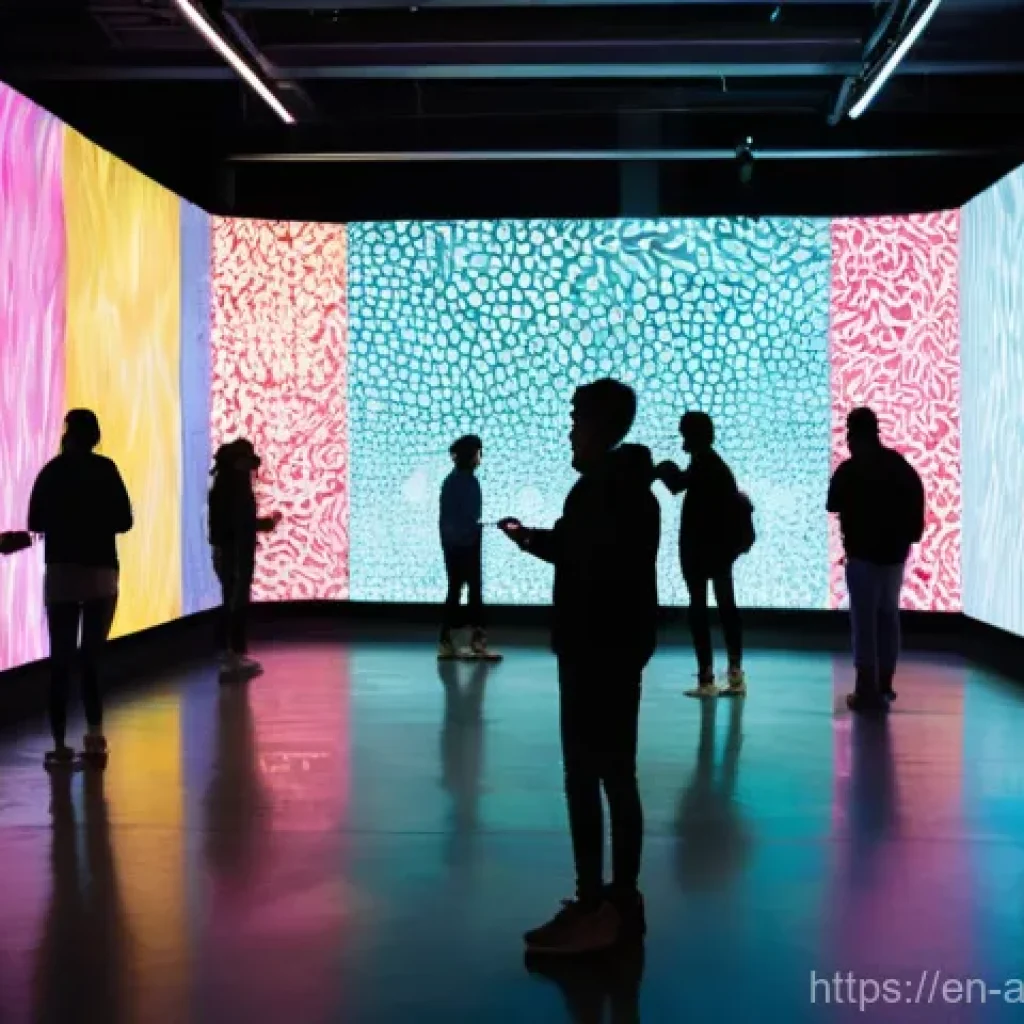
It’s a powerful tool for engagement, particularly with younger audiences who are accustomed to interactive digital environments. These experiences, powered by projection mapping, virtual reality, and intricate sound design, don’t just present art; they *activate* it, transforming a viewing into an adventure.
They’re a brilliant example of how creative thinking is taking artistic content and reshaping it into unforgettable, multi-sensory journeys, proving that art isn’t just something you look at, but something you *feel* and *live*.
Social Media as Your Stage: Engaging Global Audiences
Let’s talk about social media for a moment. I know, it can sometimes feel like a chaotic landscape, but for the arts, it’s become an indispensable stage.
From what I’ve observed, it’s where much of the initial discovery and ongoing conversation about art now happens. Artists are using platforms like Instagram and TikTok not just to promote their work, but as platforms for creation itself, showcasing process videos, interactive challenges, and behind-the-scenes glimpses that build incredible rapport with their audience.
I recently followed a sculptor who live-streamed the entire creation of a massive public installation, answering questions from viewers in real-time. It felt incredibly personal, like I was right there in the studio with them.
This kind of direct engagement builds a loyal following that traditional marketing simply can’t replicate. It transforms casual observers into passionate advocates, amplifying reach far beyond geographical boundaries.
It’s about harnessing the immediacy and intimacy of these platforms to tell compelling stories, build anticipation, and turn followers into genuine fans who feel personally invested in the artist’s journey and the organization’s mission.
Cultivating Community: The Heartbeat of Sustainable Arts
When I reflect on the most impactful arts initiatives I’ve encountered, they all share one common thread: a deep, authentic connection to their community.
It’s easy to get caught up in the glamour of major exhibitions or international tours, but from my own observations, the true resilience and long-term sustainability of any arts organization often stems from its roots in the local soil.
It’s about more than just having patrons; it’s about being an integral part of the social fabric, reflecting the diverse voices and stories of the people you serve.
I remember a small theater company in Portland, Oregon, that launched a program inviting local residents to share their personal stories, which were then adapted into short plays performed by professional actors.
The overwhelming response and the genuine sense of ownership the community felt were palpable. This wasn’t just entertainment; it was a powerful act of collective storytelling and identity building.
Building these bridges requires genuine effort and a willingness to listen, to adapt, and to collaborate, moving beyond a top-down approach and truly empowering community members as co-creators and stakeholders in the artistic journey.
This kind of deep connection fosters loyalty, financial support, and, most importantly, a sense of shared purpose that elevates art beyond mere spectacle.
Participatory Art: When Audiences Become Creators
One of the most exciting trends I’ve personally tracked is the rise of participatory art, where the audience isn’t just observing, but actively contributing to the artwork itself.
It’s a game-changer for engagement! I recall visiting an exhibition where visitors were invited to add their own brushstrokes to a massive mural over several weeks.
What started as a blank canvas evolved into a vibrant, collaborative piece that truly belonged to everyone who touched it. This isn’t just a fun gimmick; it’s a profound way to democratize art and make it accessible to people who might otherwise feel intimidated by traditional art spaces.
It transforms the relationship from one of consumption to one of creation, fostering a sense of ownership and personal investment. For arts managers, it requires a different kind of facilitation – stepping back and trusting the collective creative impulse, allowing for emergent outcomes rather than rigidly controlling the final product.
The power of these experiences, in my estimation, lies in breaking down barriers and proving that everyone has a creative voice worth hearing and seeing.
Local Roots, Global Reach: Nurturing Hyper-Local Connection
While the digital age offers incredible global reach, I’ve found that the most resonant arts organizations are still deeply committed to their local communities.
It’s a paradox, perhaps, but nurturing those hyper-local connections can actually fuel broader appeal. Think about a regional folk festival that celebrates local traditions and artists; its authenticity and unique cultural flavor are precisely what might attract international visitors seeking a genuine experience.
I saw this firsthand with a small dance troupe in a rural English village that focused entirely on preserving historical local dances. Their commitment to tradition and community storytelling ended up drawing attention from international cultural institutions, leading to invitations to perform abroad.
It’s about understanding that local distinctiveness isn’t a limitation but a strength, a unique offering in a homogenized world. By serving their immediate neighbors with relevant, meaningful programming, these organizations build a strong, loyal base that can then become ambassadors for their work, naturally expanding their influence organically rather than through forced, top-down campaigns.
The Innovation Imperative: Embracing a Growth Mindset
In a world that’s constantly shifting, standing still in the arts is, frankly, a recipe for obsolescence. From where I stand, embracing an innovation imperative isn’t just about adopting new technologies; it’s about cultivating a fundamental growth mindset within the entire organization.
It’s about encouraging staff at every level to question assumptions, to experiment with new ideas, and to view challenges not as roadblocks but as opportunities for creative problem-solving.
I’ve personally seen arts leaders who have fostered this culture, and the results are truly transformative. Their teams aren’t afraid to propose wild, out-of-the-box concepts because they know they’ll be met with curiosity and support, not immediate dismissal.
This might involve restructuring teams to be more agile, investing in professional development that goes beyond traditional arts training, or creating dedicated “innovation labs” where ideas can be prototyped quickly and cheaply.
It’s a continuous process of learning and adapting, understanding that the cultural landscape is a living, breathing entity that demands constant engagement and fresh perspectives to truly thrive.
For me, the most exciting part is witnessing how this mindset empowers everyone involved to contribute to the organization’s evolution, making it a more dynamic and exciting place to work and engage with.
From Grants to Grit: Diversifying Revenue Streams
Let’s be real, the financial sustainability of arts organizations has always been a tightrope walk. But what I’ve consistently observed among the most successful groups is a profound commitment to diversifying their revenue streams, moving beyond a sole reliance on traditional grants or ticket sales.
This isn’t just about survival; it’s about building resilience and opening up new possibilities for creative freedom. I’ve seen organizations launch successful subscription box services featuring local artists’ work, develop corporate partnerships that align with their mission, or even leverage their unique spaces for community events and workshops.
A theater company I advise started renting out its rehearsal studios for yoga classes during off-peak hours, generating unexpected but much-needed income.
It requires a certain amount of entrepreneurial grit and a willingness to explore unconventional avenues, but the payoff is immense. It allows them to weather economic downturns more effectively and provides the financial flexibility to take artistic risks that might not otherwise be possible, ultimately fueling more vibrant and daring programming.
Experimentation Over Expectation: Learning from Every Project
One of the most liberating shifts I’ve seen in effective arts management is a move away from the paralyzing fear of failure towards a culture of experimentation and iterative learning.
When you’re constantly striving for perfection with every project, you often stifle innovation. Instead, the most forward-thinking organizations I know embrace the idea of piloting new programs, gathering feedback, and then iterating.
It’s like a sculptor who makes several small maquettes before tackling the monumental piece. I remember a small gallery that launched an experimental “pay-what-you-can” model for a new exhibition, fully expecting it might not work.
They meticulously tracked the data, surveyed visitors, and learned an enormous amount about audience behavior and generosity, which then informed their pricing strategy for future events.
This approach, prioritizing learning over a predetermined outcome, not only reduces risk but also fosters a more dynamic and responsive organization. It creates an environment where every project, successful or not, contributes valuable insights, refining future endeavors and cultivating an adaptable, resilient institution.
Redefining Value: Impact Beyond the Ticket Sales
It’s easy to measure success in the arts by looking at attendance figures or box office revenue, but from my extensive experience, true value in the cultural sector runs far deeper.
What I’ve come to understand is that the most impactful arts organizations are those that actively articulate and demonstrate their broader social, educational, and economic contributions to society.
They’re not just putting on a show; they’re building community, fostering critical thinking, preserving cultural heritage, and even stimulating local economies.
I once worked with a children’s theater that, beyond its performances, ran extensive outreach programs in underprivileged schools, using drama to teach literacy and emotional intelligence.
The testimonials from teachers and parents were incredibly moving, showcasing an impact that could never be captured by ticket sales alone. This shift in perspective means moving beyond purely financial metrics and actively seeking to measure and communicate the rich, multifaceted ways in which the arts enrich lives and contribute to a more vibrant, equitable society.
It requires a thoughtful approach to data collection and storytelling, ensuring that the full breadth of their influence is recognized and celebrated by funders, policymakers, and the public alike.
| Aspect | Traditional Arts Management Focus | Modern Creative Arts Management Focus |
|---|---|---|
| Primary Goal | Preservation, Presentation | Innovation, Engagement, Impact |
| Audience Relationship | Passive Consumption | Active Participation, Co-creation |
| Funding Model | Grants, Donations, Ticket Sales | Diversified Revenue, Entrepreneurial Ventures |
| Technology Role | Marketing Tool, Archiving | Medium for Creation, Immersive Experiences, Global Reach |
| Community Engagement | Outreach Programs | Deep Collaboration, Local Integration, Co-authorship |
| Risk Appetite | Risk Averse, Maintain Status Quo | Calculated Risk-Taking, Experimentation |
Measuring What Truly Matters: Social and Cultural ROI
We often talk about return on investment (ROI) in purely financial terms, but I’ve learned that for the arts, it’s absolutely crucial to expand that definition to include social and cultural impact.
How do you measure the spark of inspiration in a child seeing a ballet for the first time? Or the healing power of a community art project in a marginalized neighborhood?
While these are harder to quantify, they are no less real, and in many ways, they are the very essence of what the arts offer. What I’ve seen work effectively are organizations that develop robust frameworks to track these intangible benefits, using surveys, focus groups, and even ethnographic studies to capture qualitative data.
It’s about building compelling narratives around the human stories touched by art, demonstrating that an investment in culture yields dividends far beyond the economic, enriching the very fabric of our shared humanity.
This comprehensive approach to impact assessment allows us to make a powerful case for the arts’ indispensable role in society.
Building Equitable Stages: Diversity as a Driving Force
The conversation around diversity, equity, and inclusion (DEI) isn’t just a trend; it’s a fundamental imperative that, in my opinion, breathes new life and relevance into the arts.
It’s about ensuring that every voice is heard, every story is told, and every community sees itself reflected on our stages, in our galleries, and within our leadership.
I’ve personally been deeply moved by organizations that have truly committed to this, not as a performative gesture, but as a core value driving their programming, staffing, and governance.
This might involve actively commissioning artists from underrepresented backgrounds, developing accessible programming for people with disabilities, or implementing equitable hiring practices.
One theater I know completely re-evaluated its audition process to remove unconscious biases, and they were astonished by the fresh talent and diverse perspectives it brought to their productions.
It’s not just about fairness; it’s about artistic enrichment. When you expand the range of perspectives and experiences informing your work, the art itself becomes richer, more complex, and ultimately, more universally resonant, fostering deeper understanding and empathy within society.
Shifting Perspectives: From Curator to Catalyst
It wasn’t that long ago that the image of an arts leader was often confined to the stately curator, carefully preserving relics of the past or meticulously arranging exhibitions.
While that role remains vital, I’ve personally seen a seismic shift in what it means to lead in the arts today. It’s no longer enough to simply present; we’re now expected to *ignite*, to *engage*, and to *innovate*.
Think about the struggle many smaller theaters or galleries faced when the pandemic hit – those that pivoted quickly, launching online programming or even drive-through art experiences, were the ones that not only survived but often thrived, discovering entirely new audiences.
My friend, who runs a community art center in upstate New York, told me how they used to rely almost solely on local foot traffic. Now, with a robust online presence they built practically overnight, they’re seeing visitors and and even workshop participants from across the globe.
It’s truly incredible to witness how a forced challenge became a springboard for unprecedented growth and creativity. This move towards being a catalyst isn’t just about survival; it’s about recognizing the immense potential the arts have to shape dialogue, foster community, and even drive economic development, pushing beyond the traditional confines of a physical space.
This mindset has genuinely opened up a world of possibilities I never imagined possible a decade ago. It forces us to think bigger, to challenge conventions, and to see every obstacle as a chance to create something truly novel and impactful.
It’s about moving from being a passive guardian to an active force for cultural evolution, deeply embedded in the contemporary world.
The Entrepreneurial Spirit in the Gallery
I’ve always believed that true artistic vision requires a touch of entrepreneurial savvy, and never has that been more apparent than now. I’ve seen countless artists and arts organizations, from indie theater groups in London to small-town museums in the Midwest, adopting a genuine startup mentality.
They’re not just waiting for grants; they’re creating their own revenue streams, developing merchandise lines, offering unique experiences, and even collaborating with unexpected partners, like local tech companies or artisanal food producers.
This isn’t about compromising artistic integrity; it’s about finding sustainable ways to fuel it. When I visited a pop-up art installation in an abandoned warehouse in Brooklyn last year, I was struck by how the artists had crowdfunded the entire project, offering exclusive limited-edition prints and even private viewings as perks.
It felt less like a traditional gallery opening and more like a vibrant, community-backed venture. This energy, this drive to be self-sufficient and resourceful, is something I find incredibly inspiring, proving that creativity isn’t just in the art itself, but in how we bring it to the world.
Beyond the Traditional: Why Risk is the New Artistic Medium
Let’s be honest, the arts world, historically, hasn’t always been the quickest to embrace radical change. But my experience has shown me that sticking to the tried-and-true pathways often leads to stagnation in today’s fast-paced environment.
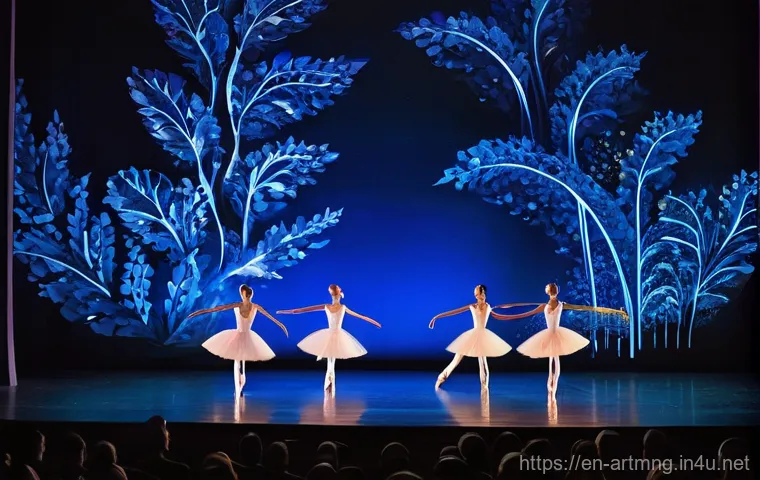
I’ve personally witnessed how calculated risk-taking has become almost a new artistic medium itself. We’re talking about experimental performances in unconventional spaces, collaborations between vastly different artistic disciplines, or even challenging long-held audience expectations.
Remember when that major symphony orchestra started incorporating interactive digital elements into their classical concerts? Initially, some purists were up in arms, but the younger audiences absolutely loved it, and suddenly, they had a whole new demographic buying tickets.
It’s a delicate balance, of course, honoring tradition while daring to push boundaries, but the organizations I’ve seen truly flourish are the ones brave enough to step into the unknown.
They understand that sometimes, the greatest masterpieces emerge not from meticulous planning, but from a willingness to experiment and even fail spectacularly along the way.
Weaving Digital Threads into the Creative Fabric
It’s simply impossible to talk about modern arts management without diving headfirst into the digital realm. What once felt like a novelty or an afterthought has, in my view, become an absolutely essential component of artistic expression and audience engagement.
I’ve spent countless hours exploring online galleries, attending virtual concerts, and even participating in interactive digital art installations, and it constantly blows my mind how technology has democratized access to the arts.
Before, if you couldn’t afford a flight to New York or London, you might never experience certain world-class exhibitions. Now, with a good internet connection, the masterpieces of the Louvre or the groundbreaking performances from the Royal Shakespeare Company are often just a click away.
This isn’t just about live streams, though; it’s about artists using AI as a creative partner, creating generative art, or choreographing virtual reality dance pieces.
From my perspective, neglecting the digital landscape today is like trying to paint without a brush – you’re severely limiting your potential reach and impact.
The real magic happens when we don’t see technology as a threat to traditional art, but as an expansive, fertile ground for new forms of creation and connection, pulling new demographics into the fold who might never have stepped foot in a physical venue.
Immersive Experiences: Art That Reaches Out
The days of passively observing art from a distance are rapidly fading, and honestly, I couldn’t be more thrilled about it. What I’ve found most captivating are the immersive experiences that completely transport you, blurring the lines between spectator and participant.
Think about those Van Gogh immersive exhibitions that have popped up in cities like Los Angeles and Toronto – they’re not just showing you paintings; they’re inviting you *into* the brushstrokes, making you feel the emotion of the artist in a way a static canvas rarely can.
I recall walking through one and feeling a genuine emotional connection to the artwork that I hadn’t experienced since visiting the actual museum years ago.
It’s a powerful tool for engagement, particularly with younger audiences who are accustomed to interactive digital environments. These experiences, powered by projection mapping, virtual reality, and intricate sound design, don’t just present art; they *activate* it, transforming a viewing into an adventure.
They’re a brilliant example of how creative thinking is taking artistic content and reshaping it into unforgettable, multi-sensory journeys, proving that art isn’t just something you look at, but something you *feel* and *live*.
Social Media as Your Stage: Engaging Global Audiences
Let’s talk about social media for a moment. I know, it can sometimes feel like a chaotic landscape, but for the arts, it’s become an indispensable stage.
From what I’ve observed, it’s where much of the initial discovery and ongoing conversation about art now happens. Artists are using platforms like Instagram and TikTok not just to promote their work, but as platforms for creation itself, showcasing process videos, interactive challenges, and behind-the-scenes glimpses that build incredible rapport with their audience.
I recently followed a sculptor who live-streamed the entire creation of a massive public installation, answering questions from viewers in real-time. It felt incredibly personal, like I was right there in the studio with them.
This kind of direct engagement builds a loyal following that traditional marketing simply can’t replicate. It transforms casual observers into passionate advocates, amplifying reach far beyond geographical boundaries.
It’s about harnessing the immediacy and intimacy of these platforms to tell compelling stories, build anticipation, and turn followers into genuine fans who feel personally invested in the artist’s journey and the organization’s mission.
Cultivating Community: The Heartbeat of Sustainable Arts
When I reflect on the most impactful arts initiatives I’ve encountered, they all share one common thread: a deep, authentic connection to their community.
It’s easy to get caught up in the glamour of major exhibitions or international tours, but from my own observations, the true resilience and long-term sustainability of any arts organization often stems from its roots in the local soil.
It’s about more than just having patrons; it’s about being an integral part of the social fabric, reflecting the diverse voices and stories of the people you serve.
I remember a small theater company in Portland, Oregon, that launched a program inviting local residents to share their personal stories, which were then adapted into short plays performed by professional actors.
The overwhelming response and the genuine sense of ownership the community felt were palpable. This wasn’t just entertainment; it was a powerful act of collective storytelling and identity building.
Building these bridges requires genuine effort and a willingness to listen, to adapt, and to collaborate, moving beyond a top-down approach and truly empowering community members as co-creators and stakeholders in the artistic journey.
This kind of deep connection fosters loyalty, financial support, and, most importantly, a sense of shared purpose that elevates art beyond mere spectacle.
Participatory Art: When Audiences Become Creators
One of the most exciting trends I’ve personally tracked is the rise of participatory art, where the audience isn’t just observing, but actively contributing to the artwork itself.
It’s a game-changer for engagement! I recall visiting an exhibition where visitors were invited to add their own brushstrokes to a massive mural over several weeks.
What started as a blank canvas evolved into a vibrant, collaborative piece that truly belonged to everyone who touched it. This isn’t just a fun gimmick; it’s a profound way to democratize art and make it accessible to people who might otherwise feel intimidated by traditional art spaces.
It transforms the relationship from one of consumption to one of creation, fostering a sense of ownership and personal investment. For arts managers, it requires a different kind of facilitation – stepping back and trusting the collective creative impulse, allowing for emergent outcomes rather than rigidly controlling the final product.
The power of these experiences, in my estimation, lies in breaking down barriers and proving that everyone has a creative voice worth hearing and seeing.
Local Roots, Global Reach: Nurturing Hyper-Local Connection
While the digital age offers incredible global reach, I’ve found that the most resonant arts organizations are still deeply committed to their local communities.
It’s a paradox, perhaps, but nurturing those hyper-local connections can actually fuel broader appeal. Think about a regional folk festival that celebrates local traditions and artists; its authenticity and unique cultural flavor are precisely what might attract international visitors seeking a genuine experience.
I saw this firsthand with a small dance troupe in a rural English village that focused entirely on preserving historical local dances. Their commitment to tradition and community storytelling ended up drawing attention from international cultural institutions, leading to invitations to perform abroad.
It’s about understanding that local distinctiveness isn’t a limitation but a strength, a unique offering in a homogenized world. By serving their immediate neighbors with relevant, meaningful programming, these organizations build a strong, loyal base that can then become ambassadors for their work, naturally expanding their influence organically rather than through forced, top-down campaigns.
The Innovation Imperative: Embracing a Growth Mindset
In a world that’s constantly shifting, standing still in the arts is, frankly, a recipe for obsolescence. From where I stand, embracing an innovation imperative isn’t just about adopting new technologies; it’s about cultivating a fundamental growth mindset within the entire organization.
It’s about encouraging staff at every level to question assumptions, to experiment with new ideas, and to view challenges not as roadblocks but as opportunities for creative problem-solving.
I’ve personally seen arts leaders who have fostered this culture, and the results are truly transformative. Their teams aren’t afraid to propose wild, out-of-the-box concepts because they know they’ll be met with curiosity and support, not immediate dismissal.
This might involve restructuring teams to be more agile, investing in professional development that goes beyond traditional arts training, or creating dedicated “innovation labs” where ideas can be prototyped quickly and cheaply.
It’s a continuous process of learning and adapting, understanding that the cultural landscape is a living, breathing entity that demands constant engagement and fresh perspectives to truly thrive.
For me, the most exciting part is witnessing how this mindset empowers everyone involved to contribute to the organization’s evolution, making it a more dynamic and exciting place to work and engage with.
From Grants to Grit: Diversifying Revenue Streams
Let’s be real, the financial sustainability of arts organizations has always been a tightrope walk. But what I’ve consistently observed among the most successful groups is a profound commitment to diversifying their revenue streams, moving beyond a sole reliance on traditional grants or ticket sales.
This isn’t just about survival; it’s about building resilience and opening up new possibilities for creative freedom. I’ve seen organizations launch successful subscription box services featuring local artists’ work, develop corporate partnerships that align with their mission, or even leverage their unique spaces for community events and workshops.
A theater company I advise started renting out its rehearsal studios for yoga classes during off-peak hours, generating unexpected but much-needed income.
It requires a certain amount of entrepreneurial grit and a willingness to explore unconventional avenues, but the payoff is immense. It allows them to weather economic downturns more effectively and provides the financial flexibility to take artistic risks that might not otherwise be possible, ultimately fueling more vibrant and daring programming.
Experimentation Over Expectation: Learning from Every Project
One of the most liberating shifts I’ve seen in effective arts management is a move away from the paralyzing fear of failure towards a culture of experimentation and iterative learning.
When you’re constantly striving for perfection with every project, you often stifle innovation. Instead, the most forward-thinking organizations I know embrace the idea of piloting new programs, gathering feedback, and then iterating.
It’s like a sculptor who makes several small maquettes before tackling the monumental piece. I remember a small gallery that launched an experimental “pay-what-you-can” model for a new exhibition, fully expecting it might not work.
They meticulously tracked the data, surveyed visitors, and learned an enormous amount about audience behavior and generosity, which then informed their pricing strategy for future events.
This approach, prioritizing learning over a predetermined outcome, not only reduces risk but also fosters a more dynamic and responsive organization. It creates an environment where every project, successful or not, contributes valuable insights, refining future endeavors and cultivating an adaptable, resilient institution.
Redefining Value: Impact Beyond the Ticket Sales
It’s easy to measure success in the arts by looking at attendance figures or box office revenue, but from my extensive experience, true value in the cultural sector runs far deeper.
What I’ve come to understand is that the most impactful arts organizations are those that actively articulate and demonstrate their broader social, educational, and economic contributions to society.
They’re not just putting on a show; they’re building community, fostering critical thinking, preserving cultural heritage, and even stimulating local economies.
I once worked with a children’s theater that, beyond its performances, ran extensive outreach programs in underprivileged schools, using drama to teach literacy and emotional intelligence.
The testimonials from teachers and parents were incredibly moving, showcasing an impact that could never be captured by ticket sales alone. This shift in perspective means moving beyond purely financial metrics and actively seeking to measure and communicate the rich, multifaceted ways in which the arts enrich lives and contribute to a more vibrant, equitable society.
It requires a thoughtful approach to data collection and storytelling, ensuring that the full breadth of their influence is recognized and celebrated by funders, policymakers, and the public alike.
| Aspect | Traditional Arts Management Focus | Modern Creative Arts Management Focus |
|---|---|---|
| Primary Goal | Preservation, Presentation | Innovation, Engagement, Impact |
| Audience Relationship | Passive Consumption | Active Participation, Co-creation |
| Funding Model | Grants, Donations, Ticket Sales | Diversified Revenue, Entrepreneurial Ventures |
| Technology Role | Marketing Tool, Archiving | Medium for Creation, Immersive Experiences, Global Reach |
| Community Engagement | Outreach Programs | Deep Collaboration, Local Integration, Co-authorship |
| Risk Appetite | Risk Averse, Maintain Status Quo | Calculated Risk-Taking, Experimentation |
Measuring What Truly Matters: Social and Cultural ROI
We often talk about return on investment (ROI) in purely financial terms, but I’ve learned that for the arts, it’s absolutely crucial to expand that definition to include social and cultural impact.
How do you measure the spark of inspiration in a child seeing a ballet for the first time? Or the healing power of a community art project in a marginalized neighborhood?
While these are harder to quantify, they are no less real, and in many ways, they are the very essence of what the arts offer. What I’ve seen work effectively are organizations that develop robust frameworks to track these intangible benefits, using surveys, focus groups, and even ethnographic studies to capture qualitative data.
It’s about building compelling narratives around the human stories touched by art, demonstrating that an investment in culture yields dividends far beyond the economic, enriching the very fabric of our shared humanity.
This comprehensive approach to impact assessment allows us to make a powerful case for the arts’ indispensable role in society.
Building Equitable Stages: Diversity as a Driving Force
The conversation around diversity, equity, and inclusion (DEI) isn’t just a trend; it’s a fundamental imperative that, in my opinion, breathes new life and relevance into the arts.
It’s about ensuring that every voice is heard, every story is told, and every community sees itself reflected on our stages, in our galleries, and within our leadership.
I’ve personally been deeply moved by organizations that have truly committed to this, not as a performative gesture, but as a core value driving their programming, staffing, and governance.
This might involve actively commissioning artists from underrepresented backgrounds, developing accessible programming for people with disabilities, or implementing equitable hiring practices.
One theater I know completely re-evaluated its audition process to remove unconscious biases, and they were astonished by the fresh talent and diverse perspectives it brought to their productions.
It’s not just about fairness; it’s about artistic enrichment. When you expand the range of perspectives and experiences informing your work, the art itself becomes richer, more complex, and ultimately, more universally resonant, fostering deeper understanding and empathy within society.
Concluding Thoughts
Stepping back and looking at the big picture, it’s clear the arts are in an incredibly exciting, albeit challenging, phase. What I’ve really taken to heart is how essential it is for us, as passionate advocates for culture, to embrace change, foster true community connections, and creatively redefine what success looks like. It’s about building a future where art isn’t just observed, but actively lived and breathed by everyone. This journey is dynamic, rewarding, and frankly, a whole lot of fun when you commit to it wholeheartedly.
Useful Information to Know
1. Embrace Hybrid Models: Don’t shy away from blending in-person and digital experiences. It significantly expands your reach and offers accessibility to diverse audiences, proving that physical and virtual spaces can beautifully complement each other.
2. Prioritize Authentic Engagement: Move beyond passive viewing. Encourage audience participation and co-creation. People want to feel connected and be a part of the artistic process, not just spectators.
3. Diversify Your Funding Streams: Relying solely on grants or ticket sales is a risky game. Explore innovative revenue generation, from unique merchandise and rentals to corporate partnerships and subscription models, to build financial resilience.
4. Cultivate an Experimental Mindset: The arts thrive on creativity, so let that extend to your organizational approach. Encourage calculated risks, pilot new programs, and view every project as a learning opportunity, regardless of its immediate outcome.
5. Measure Beyond the Box Office: While financials matter, truly understand and articulate your social, cultural, and educational impact. Use a mix of qualitative and quantitative data to tell a compelling story about the profound value your organization brings to the community.
Key Takeaways
The essence of modern arts leadership lies in being a catalyst for change, not just a custodian. It’s about daring to innovate, building deep and authentic community connections, and leveraging every tool at our disposal – especially digital ones – to create truly impactful and sustainable experiences. By actively redefining value beyond traditional metrics, we can ensure the arts continue to enrich lives and drive meaningful conversations for generations to come.
Frequently Asked Questions (FAQ) 📖
Q: How can arts organizations truly innovate and connect with communities in this rapidly changing cultural landscape?
A: Based on what I’ve seen firsthand, true innovation in arts organizations isn’t just about putting on a new show; it’s about reimagining how we engage.
We’re talking about really leaning into digital experiences – think virtual reality tours of galleries, interactive online performances, or even augmented reality installations that transform public spaces.
I’ve found that when you embrace these technologies, you don’t just reach a wider audience; you offer a completely new way for people to experience art, often from the comfort of their own homes, or right in their neighborhoods.
It’s also about authentic community engagement, you know? Not just performing for a community, but co-creating with them. This could mean workshops that involve local artists in developing new pieces, or using social media to spark conversations that genuinely influence programming.
My experience tells me that when you make people feel like they’re part of the creative process, they become your most passionate advocates, and that’s invaluable for sustainability and growth.
Q: Beyond artistic merit, why is addressing diversity, equity, and inclusion (DEI) now considered so critical for successful arts management?
A: Honestly, this is one area where I’ve seen a massive shift, and for good reason. DEI isn’t just a checkbox; it’s fundamental to the relevance and vitality of any arts organization today.
From my perspective, if you’re not actively working to represent diverse voices and stories, you’re missing out on a huge part of your potential audience and, frankly, you’re not reflecting the world we live in.
It’s about creating spaces where everyone feels welcome and represented, not just physically, but in the narratives being told. I remember a time when conversations around DEI were often sidelined, but now, it’s rightfully at the core of strategic planning.
When you prioritize equity, you tap into new perspectives, foster richer artistic expressions, and build a more loyal, engaged audience. It’s not just the right thing to do; it’s a smart strategy for long-term impact and ensuring your organization remains a vital part of the cultural conversation.
Q: With all these pressures for innovation and social impact, how can arts organizations balance artistic vision with financial sustainability?
A: Ah, the million-dollar question! This is where creative thinking truly shines, even on the business side. From my direct experience, it’s a delicate dance, but absolutely achievable.
It’s not about sacrificing art for money, or vice versa, but finding innovative ways for them to support each other. For instance, I’ve seen organizations successfully blend traditional fundraising – grants, donor appeals – with more entrepreneurial approaches.
Think about developing unique merchandise tied to specific exhibitions, creating tiered membership programs that offer exclusive digital content, or even collaborating with local businesses on experiential events that generate revenue.
And honestly, fostering that deep community connection we talked about earlier? That builds a loyal base of supporters who are more likely to donate or buy tickets.
The key, I’ve found, is to treat financial planning with the same creativity you bring to artistic programming. It’s about diversifying your income streams and constantly thinking, “How can we create value that people are willing to invest in, while staying true to our artistic mission?” It’s a challenge, but a rewarding one that ensures the art keeps flowing.